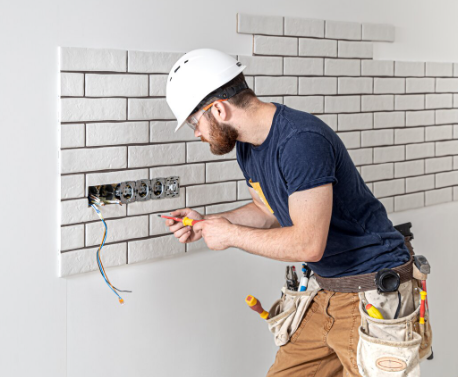
I still remember visiting a friend’s newly renovated flat last year — the lights flickered the moment she switched on the air-conditioner and the geyser together. That moment made me realise: in today’s world, where homes house multiple high-power appliances, a trustworthy electrical installation service isn’t just a luxury — it’s a necessity. Whether you’re building a new house or upgrading an older one, good wiring and safe installations can save not only money but lives.
In this post, I’ll walk you through the top tips I’ve learned — blending long-established practices with new insights from 2024–2025 research. If you care about safety, efficiency, and future-proofing your home, these are the ones worth noting.
Critical Basics — Get the Foundations Right
Use High-Quality Wiring and Certified Materials
One of the most overlooked aspects is the quality of wires and materials. In many regions, low-quality wiring is still used — wires that aren’t flame-retardant, lack proper insulation or aren’t protected against rodents or termites. That’s inviting trouble. Instead, invest in high-insulation, flame-retardant, and (where applicable) termite-protected wires that comply with recognized safety standards.
Avoid using substandard fuse wires or outdated aluminum wiring — especially if you plan to install modern appliances. Upgrading to proper copper wiring and good insulation pays off dramatically in the long run.
Install Safety Devices: GFCIs, Surge Protectors & Proper Breakers
Install ground-fault circuit interrupters (GFCIs) in moisture-prone zones like kitchens, bathrooms, laundry rooms — because water + electricity = dangerous. These devices detect current imbalances and shut off power immediately to prevent shocks.
Also, consider surge protection devices (SPDs), especially if your area witnesses frequent voltage fluctuations or storms. A sudden surge can fry your appliances or even damage wiring.
Finally, make sure your panel uses modern circuit breakers (MCBs) instead of outdated fuse boxes. Good breakers act as life-savers when circuits overload or short, reducing fire and shock risks.
Planning & Layout — Avoid Common Pitfalls
Strategic Outlet Placement & Load Distribution
Where and how you place outlets matters — not just for convenience, but for safety. Avoid placing sockets near water sources (sinks, bathrooms), and never rely on a single socket to power multiple heavy appliances at once. Overloading can cause overheating and even fire.
If you foresee heavy usage (ACs, geysers, chargers, smart devices), spread the load across separate circuits or install dedicated lines. Planning accordingly saves headaches later.
Smart Panel, Labelling & Future-Ready Upgrades
A labelled electrical panel might seem trivial — but in emergencies, it helps identify and shut down the right circuit quickly.
If your home’s wiring is decades old, consider upgrading the entire panel or electrical service. Many homes built long ago weren’t designed for modern energy demands; updating to a 200-amp (or higher) panel can accommodate modern appliances, EV chargers, and smart systems safely.
Maintenance, Inspection & Real-World Safety Lessons
Routine Checks, Early Warning Signs & Regular Inspections
Wiring degrades over time. Insulation may crack, rodents may damage cables, or connections may loosen. It’s critical to periodically inspect outlets, switches, and wiring for fraying, discoloration, or overheating — and act at the first sign of trouble.
Many experts recommend having a full safety inspection every 5 years — or sooner if you notice issues like flickering lights, warm outlets, or circuit trips.
Why DIY Is Risky — Know When to Call a Professional
I know the temptation — DIY tasks can feel satisfying, and sometimes cheaper. But when it comes to electrical work, doing things on your own can backfire badly. Incorrect wiring, improper splices, or poor insulation are among the top mistakes in residential installations.
Hiring a licensed electrician not only ensures code compliance but also means someone experienced is checking for hidden hazards you might miss.
Fresh-Angle Insights for 2025 — Modern Needs & Smart Home Prep
Preparing for Electrification & Heavy Loads
With more households shifting to electric cooking, EVs, smart appliances — electrical load demands are rising fast. According to recent field research, older homes may struggle to handle these demands without upgrading service panels or redistributing load.
If you foresee adding high-load appliances (e.g. EV charger, multiple ACs), plan the wiring and capacity accordingly from the get-go — it’s far easier than retrofitting later amid chaos.
Making Wiring Smart-Home-Ready from Day One
Even if you don’t yet have smart switches, automated lighting, or home-automation gear, wiring your home with extra provisions (like neutral wires at switch boxes, space for extra outlets, good grounding) can pay off big later. Many of these features require proper neutral wiring or dedicated circuits — and installing them during initial wiring or renovation avoids messy rewiring down the line. This forward-thinking approach often gets skipped but makes perfect sense.
FAQs
Q: How often should I inspect my home’s electrical system?
Ideally every 3–5 years, or immediately if you notice flickering lights, buzzing outlets, discolored sockets, or breaker trips.
Q: Are GFCI outlets really necessary?
Yes — especially in moisture-prone areas like kitchens, bathrooms, laundry rooms, or outdoor outlets. They can cut off power in milliseconds when they detect faults and prevent shocks.
Q: Can I rely on extension cords instead of installing new sockets?
No. Extension cords are meant for temporary use only. For permanent needs, always install new outlets or circuits to avoid overheating or fire risk.
Q: Does older wiring pose serious risk even if it seems working fine?
Yes. Wires degrade over time; insulation weakens, load demands increase, and old wiring may not meet modern safety or capacity standards. Upgrading is safer, especially when adding heavy-duty appliances.
Q: What are the signs that my wiring needs urgent attention?
Burning smell near outlets, warm or discolored switches, frequent breaker trips, flickering lights, tingling from appliances — all are red flags warranting immediate inspection.
Q: Is a professional electrician really worth the cost?
Absolutely. Electricians know code-compliant installation, spot hidden hazards, ensure proper load distribution, grounding, and safe wiring — all critical for long-term safety and peace of mind.
Q: Can I plan wiring now and make it smart-home ready later?
Yes — by ensuring extra neutral wires, proper grounding, and spare conduit space, you future-proof your wiring so adding smart devices later is easier and safer.
Conclusion + Call to Action
Investing time and thought into wiring your home — and opting for quality, safety devices, professional help, and forward-thinking design — might feel like a chore now. But trust me: it’s one of the best gifts you can give your home and your family. When electricity is the engine of modern living, a solid foundation under the hood ensures smooth, safe rides for years to come.
If you’re considering a renovation or new installation, don’t wait — get a qualified electrician, inspect your wiring, and plan for the future. Your peace of mind is worth more than any shortcut.