When beginners first walk into a boxing, kickboxing, or mixed martial arts gym, one of the most common questions they ask their coaches is: “Can I just use one pair of gloves for everything?” It seems practical and cost-effective to buy a single 12oz or 14oz pair to hit the heavy bag, work the pads, and jump into partner sparring drills.
However, ask any seasoned trainer or combat athlete, and they will tell you that stepping into a ring with bag-worn gloves is considered one of the biggest safety violations in the sport. But why is the distinction between bag training and live contact drills so strictly enforced?
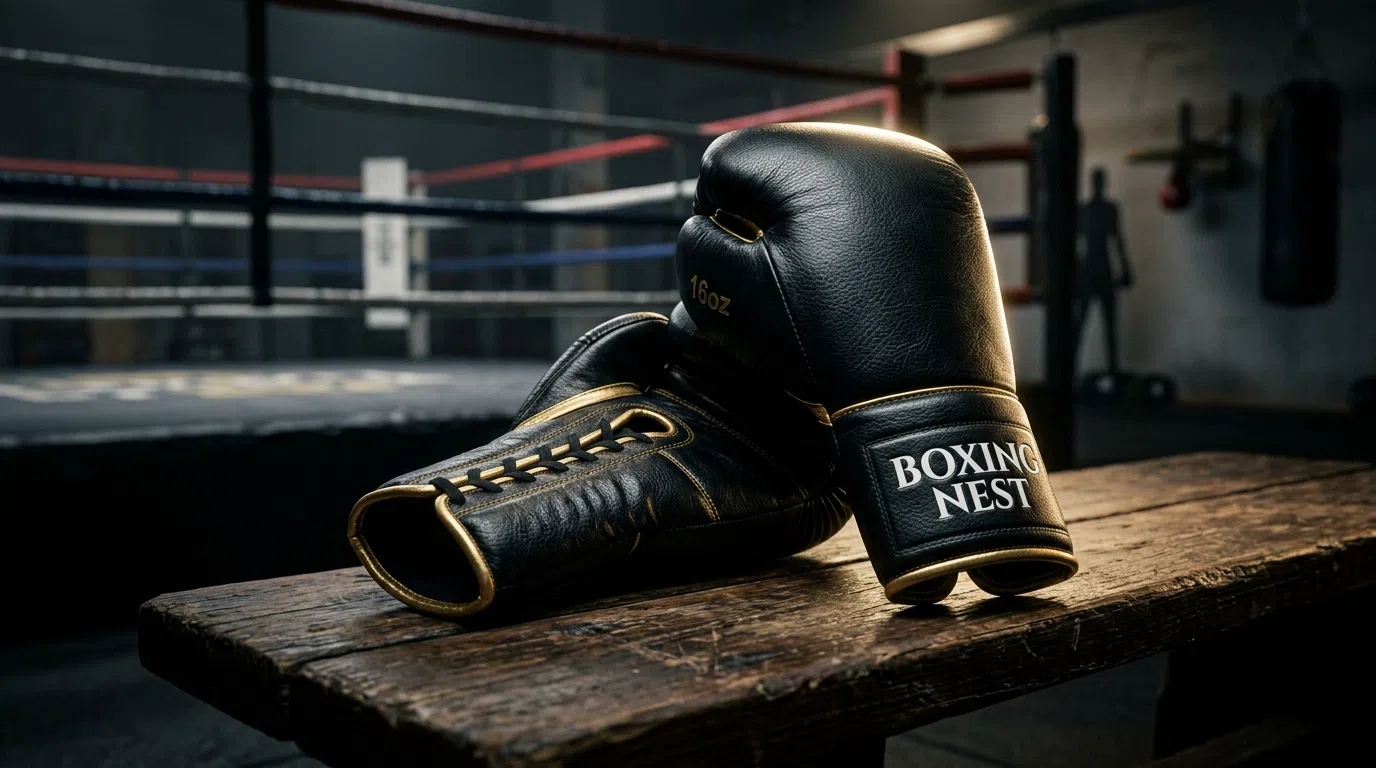
What Actually Happens to Gloves on the Heavy Bag?
To understand why dedicated sparring equipment is mandatory, you first need to examine how heavy bag training alters glove architecture. A heavy punching bag is dense, unyielding, and heavy. Over months of repetitive power combinations, the internal padding undergoes extreme compression:
1. Foam Densification: The multi-layered foam inside the knuckle zone packs together tightly, losing its spring and pillowy resilience.
2. Loss of Impact Diffusion: Instead of cushioning blows, compressed padding acts more like a hard surface, transferring concussive shock directly into whatever it strikes.
3. Outer Shell Abrasion: Heavy bag leather develops micro-cracks, grit, and hardened edges from friction. Glancing blows across a partner's forehead or nose can easily cause cuts and deep abrasions.
If you spar someone with hardened bag gloves, every jab and hook hits with blunt-force trauma, significantly increasing the likelihood of facial cuts, black eyes, and head trauma.
The Internal Engineering of Authentic Sparring Equipment
Dedicated gloves designed specifically for live contact rounds are built with entirely different internal mechanics:
Layered Shock Dispersion: Instead of hard, high-rebound foams, sparring gear integrates softer latex, memory foam, and layered padding that collapses gradually on impact. This spreads the kinetic energy over a broader surface area, protecting both your partner's face and your own metacarpal bones.
Generous 14oz to 16oz Sizing: The heavier ounce weight serves two essential purposes. First, the extra ounces translate directly to thicker protective padding over the knuckles. Second, the added resistance forces fighters to develop strong shoulder endurance and disciplined high-guard habits.
Elongated Cuffs & Wrist Alignment: Blocking heavy hooks and parrying crosses places sudden lateral stress on the wrist joint. Dedicated sparring equipment features extended wrist cuffs with rigid stabilization to prevent hyperextension during defensive exchanges.
Fighters looking to upgrade their training kit with gym-tested protection can explore durable, ergonomically engineered sparring gloves built to provide maximum safety across intense sparring sessions.
Key Questions to Ask Before Choosing Your Sparring Gear
Before buying a pair for contact rounds, consider these three critical factors:
Lace-Up vs. Hook-and-Loop Velcro?
While traditional lace-up models offer unmatched wrist stiffness, they require a coach or training partner to tie and untie them. For daily gym rounds, high-grade hook-and-loop velcro with a wide wrap-around strap delivers quick transitions without compromising wrist security.
Genuine Leather vs. High-Grade Microfiber?
If you spar multiple days a week, full-grain cowhide leather naturally stretches and molds to your fist structure over time. For casual or intermediate training, high-tensile microfiber leather provides incredible tear resistance and handles sweat without drying out or cracking.
Does the Thumb Sit Naturally Under the Knuckle Guard?
A properly designed glove holds the thumb tucked tightly against the fist with an ergonomic connecting strap. This prevents the thumb from catching on your partner’s shoulder or elbow during hooks, eliminating the risk of sprains or accidental eye pokes.
Golden Rules of Gym Sparring Etiquette
Power Control Over Power Display: Sparring is a collaborative drill to build timing, head movement, and ring IQ. Keep strikes controlled at 50% to 60% power.
Always Pair With Full Safety Kit: Gloves are only one piece of the puzzle. Never spar without a custom-boiled mouthguard, protective headgear, and groin protection.
Air-Dry Your Gear Immediately: Leaving sweaty gloves trapped in a dark gym duffel bag destroys internal foam within months. Always wipe them down and let them breathe in a ventilated space after training.