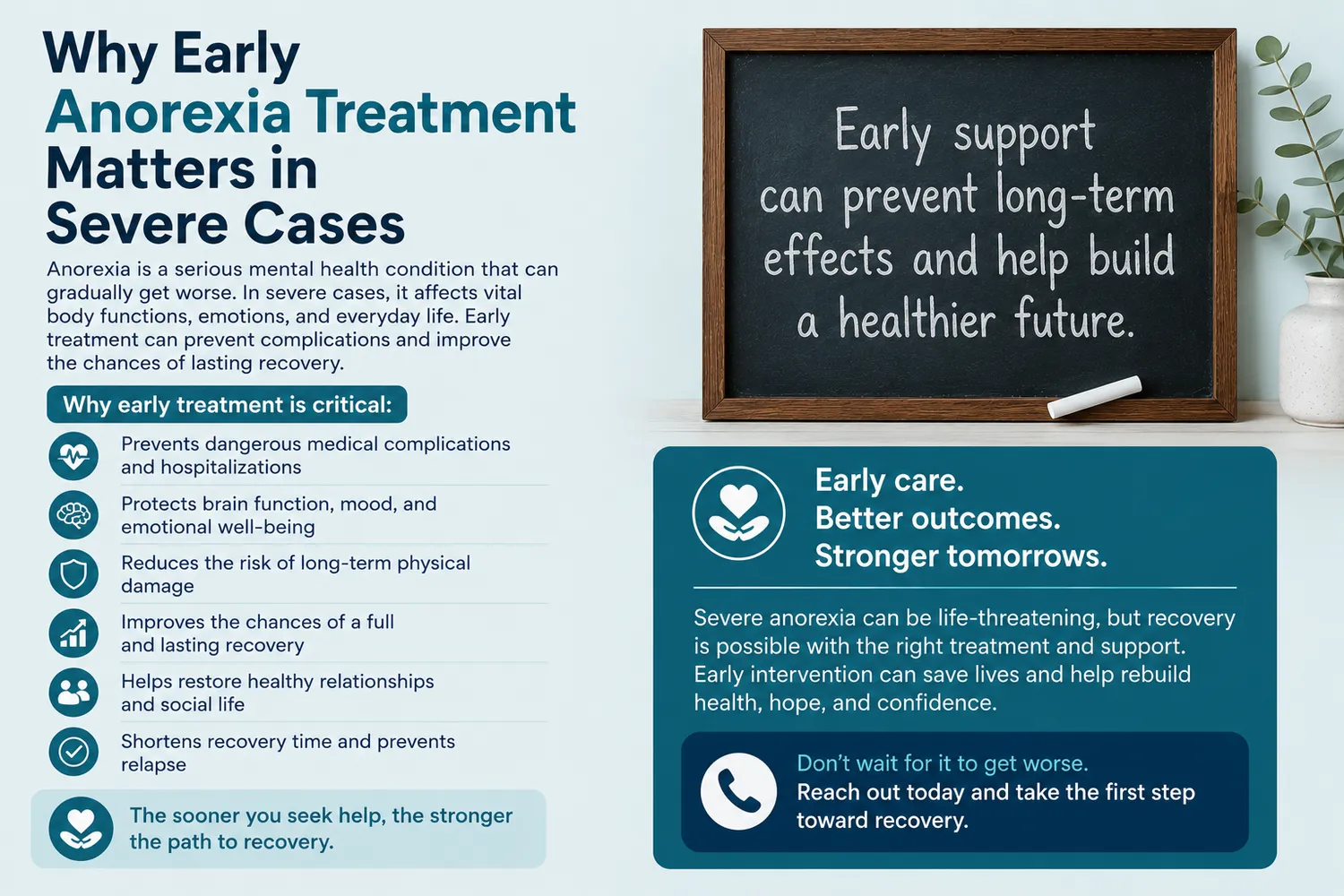
Anorexia nervosa is one of the most serious mental health conditions affecting both physical and emotional well-being. Individuals struggling with severe anorexia often face dangerous complications that impact the heart, brain, digestive system, and overall quality of life. Early recognition and professional intervention are essential to prevent long-term damage and support lasting recovery. At Boston Neurobehavioral Associates, comprehensive care helps patients receive the structured treatment needed for complex eating disorders.
Understanding Severe Anorexia Nervosa
Anorexia nervosa is more than a desire to lose weight. It is a complex psychiatric disorder characterized by intense fear of gaining weight, distorted body image, and restrictive eating behaviors. Severe cases may involve extreme malnutrition, rapid weight loss, obsessive calorie restriction, and physical decline.
People with severe anorexia often experience:
- Significant weight loss
- Weakness and fatigue
- Dizziness or fainting
- Slow heart rate
- Anxiety and depression
- Social withdrawal
- Difficulty concentrating
- Hormonal imbalances
Without proper medical attention, these symptoms can become life-threatening. This is why anorexia treatment for severe cases requires a multidisciplinary approach that addresses both mental and physical health concerns.
Why Immediate Treatment Is Critical
Severe anorexia affects nearly every organ system in the body. As malnutrition progresses, the body begins conserving energy by slowing down essential functions. This can lead to severe complications such as heart irregularities, bone loss, kidney dysfunction, and cognitive impairment.
Delaying treatment increases the risk of:Cardiac complications
- Electrolyte imbalances
- Organ failure
- Osteoporosis
- Suicidal thoughts
- Long-term psychological trauma
Professional treatment programs focus on stabilizing patients medically while helping them rebuild a healthier relationship with food and body image.
The Role of Medical Stabilization
The first stage of anorexia treatment for severe cases often involves medical stabilization. Patients experiencing critical malnutrition may require hospitalization or intensive monitoring to restore physical health safely.
Medical professionals assess:
- Heart function
- Blood pressure
- Electrolyte levels
- Nutritional deficiencies
- Organ performance
Nutritional rehabilitation must be carefully supervised because rapid refeeding can trigger dangerous complications. Structured meal planning and gradual nutritional support help the body adjust safely during recovery.
Psychological Support in Recovery
Treating severe anorexia is not only about restoring body weight. Emotional and psychological healing are equally important. Many individuals with anorexia struggle with perfectionism, trauma, anxiety, or depression that contribute to restrictive eating patterns.
Evidence-based therapies commonly used include:
Cognitive Behavioral Therapy
Cognitive Behavioral Therapy helps patients identify distorted thoughts related to body image, food, and self-worth. It encourages healthier coping strategies and emotional regulation.
Family-Based Therapy
Family involvement can significantly improve outcomes, especially for adolescents and young adults. Family-Based Therapy teaches loved ones how to provide effective support during recovery.
Trauma-Informed Therapy
Some individuals with severe anorexia have experienced emotional trauma that influences eating behaviors. Trauma-informed approaches create a safe environment for emotional healing.
Nutritional Counseling and Meal Support
Restoring proper nutrition is a central part of recovery. Registered dietitians work closely with patients to rebuild healthy eating habits and reduce anxiety surrounding food.
Nutritional counseling focuses on:
- Balanced meal planning
- Fear food exposure
- Education about nutrition
- Building healthy eating routines
- Improving body awareness
Meal support sessions also help patients practice eating in structured and supportive settings.
Addressing Co-Occurring Mental Health Conditions
Many people with anorexia also experience other mental health conditions that complicate recovery. Effective treatment programs assess and manage co-occurring disorders alongside eating disorder symptoms.
Common co-occurring conditions include:
- Anxiety disorders
- Depression
- Obsessive-compulsive disorder
- Post-traumatic stress disorder
- Substance use disorders
Integrated mental health care ensures that underlying emotional struggles are not overlooked during treatment.
Importance of Personalized Treatment Plans
Every individual experiences anorexia differently. Successful treatment requires personalized care tailored to each patient’s medical history, psychological needs, and recovery goals.
A customized treatment plan may include:
- Inpatient treatment
- Partial hospitalization programs
- Intensive outpatient therapy
- Individual counseling
- Psychiatric evaluation
- Nutrition management
Personalized support allows clinicians to adjust treatment strategies based on progress and ongoing challenges.
Long-Term Recovery and Relapse Prevention
Recovery from severe anorexia is a long-term process that extends beyond initial treatment. Many patients benefit from ongoing therapy and support systems to maintain progress and prevent relapse.
Long-term recovery strategies often include:
- Continued counseling
- Stress management techniques
- Healthy coping skills
- Support groups
- Routine medical monitoring
- Structured daily routines
Developing resilience and emotional stability can help individuals navigate triggers and maintain healthier behaviors over time.
Supporting a Loved One with Severe Anorexia
Watching someone struggle with anorexia can feel overwhelming for family members and friends. Supportive communication and compassionate involvement can make a meaningful difference during recovery.
Helpful ways to support a loved one include:
- Encouraging professional treatment
- Avoiding criticism about appearance
- Listening without judgment
- Learning about eating disorders
- Supporting treatment recommendations
- Promoting healthy routines
Recovery is often challenging, but consistent support can help patients feel less isolated during treatment.
Signs That Professional Help Is Needed
Many individuals with anorexia attempt to hide symptoms or avoid treatment. Recognizing warning signs early may improve outcomes and reduce medical complications.
Professional help may be necessary if someone experiences:
- Extreme weight loss
- Refusal to eat
- Obsession with calories
- Excessive exercise
- Fainting episodes
- Severe mood changes
- Social isolation
- Physical weakness
Seeking treatment early can improve both physical recovery and emotional healing.
Choosing Specialized Care for Severe Cases
Not all treatment programs provide the same level of expertise for severe eating disorders. Specialized care centers offer comprehensive services designed to address complex medical and psychological needs.
At Boston Neurobehavioral Associates, patients receive individualized support from experienced professionals who understand the challenges associated with severe anorexia. A collaborative approach involving medical providers, therapists, and nutrition experts helps create a strong foundation for long-term recovery.
Final Thoughts
Severe anorexia nervosa is a serious condition that requires immediate and specialized treatment. Recovery involves much more than weight restoration. It includes emotional healing, nutritional rehabilitation, and long-term psychological support.
With compassionate care, evidence-based therapies, and personalized treatment plans, individuals can regain physical health and rebuild their lives. Early intervention remains one of the most important factors in improving recovery outcomes and reducing long-term complications associated with anorexia.