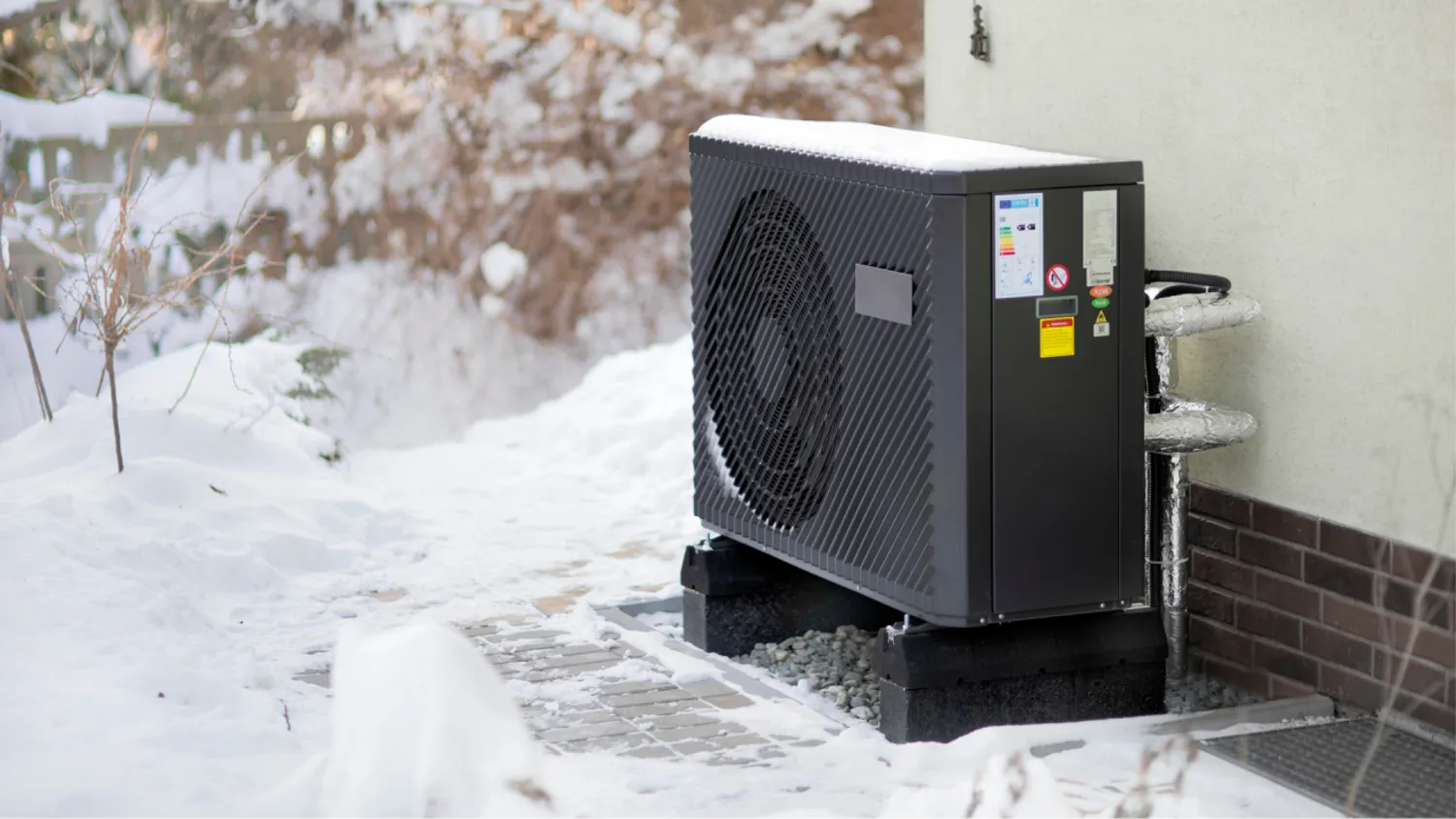
Welcome to our guide on repairing and maintaining heat pumps for your home! Heat pumps are an essential component of your HVAC system, providing both heating and cooling capabilities. To ensure the comfort and efficiency of your home, it is important to properly maintain and repair your heat pump as needed. In this guide, we will cover everything you need to know about keeping your heat pump in top condition. From basic maintenance tasks to troubleshooting common issues, we've got you covered.
What is a Heat Pump and Why Does it Need Maintenance and Repair?
A heat pump is a type of HVAC system that transfers heat from one location to another, providing both heating and cooling for your home. It works by extracting heat from the air outside and transferring it inside during colder months, and vice versa in warmer months. This makes it a highly efficient option for maintaining comfortable temperatures in your home throughout the year.
Just like any other appliance or machinery, regular maintenance and occasional repairs are necessary to keep your heat pump functioning properly. Without proper care, debris can build up on the outdoor unit, reducing its efficiency and potentially causing malfunctions. Additionally, wear and tear over time can lead to various issues that may require repairs or replacements. By keeping up with maintenance tasks and addressing any issues promptly, you can ensure that your heat pump continues to operate at its best for years to come.
Basic Maintenance Tasks
As with most appliances, there are some basic maintenance tasks that homeowners can do themselves to keep their heat pump in good condition. These include regularly cleaning or replacing air filters, keeping the outdoor unit free of debris and vegetation, and checking the refrigerant levels. It is recommended to clean or replace air filters every 1-3 months, depending on usage and air quality. A clogged filter can restrict airflow and put strain on the system, causing it to work harder and potentially leading to higher energy bills.
In addition to these tasks, it is important to have a professional HVAC technician perform an annual maintenance check on your heat pump. They will inspect and clean the entire system, check for any potential issues, and ensure that it is running at maximum efficiency. This can also help catch any small problems before they turn into major repairs. Regular maintenance not only helps prolong the lifespan of your heat pump but also ensures that it is operating safely and efficiently, ultimately saving you money in the long run.
Troubleshooting Common Issues
Despite proper maintenance, there may be times when your heat pump encounters issues that require troubleshooting or repairs. Some common problems include unusual noises, uneven heating or cooling, or failure to turn on. In these cases, it is best to consult your heat pump's manual or contact a professional for assistance. Attempting to fix these issues on your own can potentially cause further damage and may void any warranties.
Regular maintenance, prompt repairs, and professional assistance when needed are essential for keeping your heat pump in top working condition. By taking care of this important component of your home's HVAC system, you can ensure the comfort and efficiency of your living space for years to come. Thank you for reading our guide on repairing and maintaining heat pumps for home comfort. We hope it has been helpful and informative! ## Additional Tips for Efficient Heat Pump Operation
Here are some additional tips to help keep your heat pump running efficiently:
● Keep the outdoor unit free of debris and vegetation.
● Check the insulation around exposed pipes and replace any damaged sections.
● Set your thermostat to a consistent temperature to avoid putting excess strain on the system.
● Schedule regular maintenance check-ups with a professional HVAC technician.
Following these tips can not only help improve the performance of your heat pump, but also save you money on energy bills. Remember, proper maintenance is key to maximizing the lifespan and efficiency of your heat pump. Thank you for choosing our guide as your resource for keeping your home comfortable and cost-effective! ## Conclusion
We hope this guide has provided you with valuable information on repairing and maintaining heat pumps for your home's comfort. By understanding the basics of heat pump operation, performing regular maintenance tasks, and addressing any issues promptly, you can ensure that your heat pump continues to provide efficient heating and cooling for your living space. Remember to always consult a professional HVAC technician for any repairs or troubleshooting needs.
Why is Maintenance Important?
Regular maintenance is crucial for the longevity and efficiency of your heat pump. By keeping up with routine maintenance tasks, you can prevent more costly repairs and ensure that your heat pump operates at peak performance. Neglecting maintenance can also lead to decreased energy efficiency, resulting in higher utility bills. If your heat pump requires maintenance or repairs, you can call Mt Hood Ductless to help fix it, and bring it back to optimal condition.
Basic Maintenance Tasks
Here are some simple tasks that you can do on a regular basis to keep your heat pump running smoothly:
● Clean or replace air filters: Dirty or clogged air filters will reduce airflow and compromise the effectiveness of your heat pump. It is recommended to clean or replace them every 1-3 months.
● Check outdoor unit for debris: Make sure the outdoor unit of your heat pump is free from any debris, such as leaves, dirt or grass clippings. This can obstruct airflow and affect the performance of your heat pump.
● Inspect indoor unit: Check the indoor unit for any visible signs of damage or wear and tear. Also, make sure that there is no clutter around the unit that could block airflow.
● Clear condensate drain line: If you notice water pooling around your indoor unit, it may be a sign that the condensate drain line is clogged. To prevent water damage, clear the drain line using a wet/dry vacuum or call a professional for assistance.
Seasonal Maintenance
In addition to these basic tasks, it is recommended to schedule a professional inspection and maintenance service for your heat pump at least once a year. This is typically done before the start of the heating or cooling season to ensure that your heat pump is in top condition. During this service, a certified technician will perform thorough checks and cleanings, as well as make any necessary repairs.
Troubleshooting Common Issues
Despite regular maintenance, you may encounter some issues with your heat pump from time to time. Here are some common problems and their potential solutions:
● Heat pump not turning on: Check the thermostat settings and make sure it is set to the correct mode (heating/cooling). Also, check the power supply and circuit breaker.
● Weak airflow: This can be caused by dirty air filters or a clogged outdoor unit. Clean or replace filters and clear any debris from the outdoor unit.
● No heat/cooling: If your heat pump is not producing warm or cool air, it could indicate a faulty compressor, refrigerant leak, or other issues that may require professional repair.
DIY vs Professional Repairs
While some minor maintenance tasks and troubleshooting can be done by homeowners, it is recommended to leave more complex repairs in the hands of professionals. Attempting to repair a heat pump without proper knowledge and tools can not only cause further damage but also pose safety risks. It is best to call a certified technician for any major repairs or issues.
Importance of Regular Inspections
Regular inspections by a professional are crucial to catch any potential issues before they become major problems. During these inspections, the technician will check all components and identify any signs of wear and tear or malfunction. They can also provide recommendations for maintenance tasks or repairs that need to be addressed.
Proper maintenance, timely repairs, and regular inspections are essential for keeping your heat pump running smoothly and avoiding costly repairs. Remember to follow manufacturer's guidelines for maintenance and always consult with a professional if you encounter any significant problems with your heat pump. With proper care, your heat pump can provide efficient heating and cooling for your home for many years to come. Happy heating and cooling! # Additional Tips for Energy Efficiency
Aside from proper maintenance, there are other ways to improve the energy efficiency of your heat pump and reduce utility bills. Here are some additional tips:
● Keep doors and windows closed: This will help maintain a consistent temperature inside your home and prevent unnecessary strain on your heat pump.
● Utilize curtains or blinds: In the summer, keep curtains or blinds closed during the day to block out sunlight and keep your home cooler. In the winter, open them up during the day to allow natural sunlight in for added warmth.
● Use a programmable thermostat: A programmable thermostat allows you to set different temperatures for different times of the day, allowing your heat pump to run more efficiently.
● Consider insulation: Properly insulating your home can help reduce the workload on your heat pump and improve energy efficiency.
Remember, every little effort counts in improving the efficiency of your heat pump and reducing energy costs. Consult with a professional for personalized tips and recommendations for your specific home and heat pump setup.
Proper maintenance and timely repairs are key to keeping your heat pump in optimal condition for home comfort. By following these tips and addressing any issues promptly, you can ensure the efficiency and longevity of your heat pump. Remember to also consult with a professional if you encounter any major problems or have any concerns about your heat pump. Stay comfortable! # Avoiding Costly Repairs
As with any major home appliance, repairs for a heat pump can be costly. However, regular maintenance and prompt attention to issues can help prevent the need for expensive repairs. It is important to address problems as soon as they arise, rather than waiting until they become bigger and more expensive to fix.