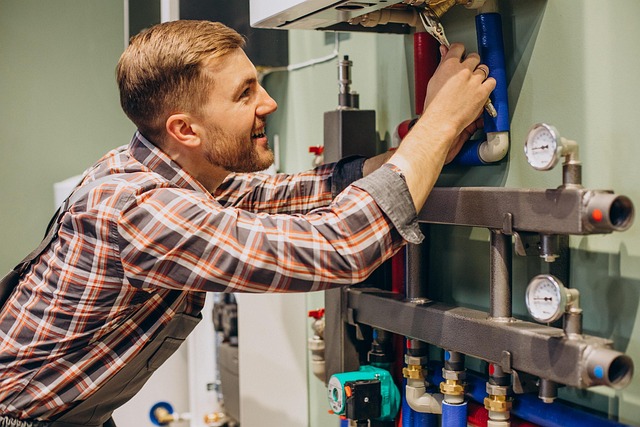
Milwaukee winters are no joke. When the temperature drops below freezing for weeks at a time, your boiler isn't just a convenience — it's the difference between a comfortable home and a genuine emergency. Yet boilers are often the most neglected piece of equipment in a house, quietly running in a basement or utility closet until something goes wrong. If you're dealing with a cranky boiler right now, or you just want to understand what to expect before you're stuck without heat in January, this guide covers everything Milwaukee homeowners need to know about boiler repair.
Why Boiler Issues Hit Harder in Milwaukee
Milwaukee's climate puts unusual demands on heating systems. Lake Michigan's proximity brings damp, biting cold that lingers from November through March, and older housing stock throughout the city — especially in neighborhoods like Bay View, Riverwest, and the East Side — often still relies on boiler-based hydronic or steam heating systems that are decades old. These systems can be incredibly durable, but age combined with heavy seasonal use means components wear down, and problems tend to surface at the worst possible time: the first genuinely cold snap of the year.
Common Boiler Problems in Milwaukee Homes
Understanding the most frequent issues can help you catch trouble early, before it turns into a no-heat emergency.
No heat or insufficient heat. This is the most common complaint, and it can stem from a failed thermostat, a broken circulator pump, air trapped in the system, or a malfunctioning zone valve. Sometimes it's something as simple as a tripped breaker or a closed valve.
Leaking water. Leaks around the boiler base, pipe fittings, or the pressure relief valve usually point to a failing seal, a cracked heat exchanger, or excessive system pressure. Any leak should be checked quickly, since it can signal a bigger problem developing underneath the surface.
Strange noises. Banging, kettling, or whistling sounds often mean mineral buildup or trapped air in the system. Milwaukee's hard water can accelerate scale buildup inside older boilers, which is a common driver of these noises.
Pilot light or ignition failures. On older gas boilers, a pilot light that won't stay lit can be caused by a faulty thermocouple, a dirty pilot orifice, or a draft issue. Modern boilers with electronic ignition can have their own sensor and control board issues.
Pressure problems. Low or high boiler pressure is one of the most common reasons for a system shutting down or underperforming, and it's usually an easy fix once a technician identifies the cause — though repeated pressure loss can point to a hidden leak.
Thermostat or control issues. Sometimes the boiler is working fine, but the thermostat or control board isn't communicating properly, leading to inconsistent heating throughout the house.
Signs You Need a Repair Now, Not Later
Some symptoms warrant an immediate call rather than a wait-and-see approach:
- A burning smell or visible soot around the boiler
- Any smell of gas near the unit
- Water pooling on the floor
- The boiler shutting off repeatedly and refusing to restart
- Radiators or baseboards staying cold while others work fine
- A carbon monoxide alarm sounding anywhere in the house
If you notice a gas smell or a carbon monoxide alarm activation, leave the house, call your gas utility or 911, and don't attempt to inspect the unit yourself.
What to Expect During a Boiler Repair Visit
A qualified technician will typically start with a diagnostic inspection: checking system pressure, inspecting the heat exchanger, testing the pilot or ignition system, examining the circulator pump, and looking for leaks or corrosion. From there, they'll explain what's wrong in plain language and give you options — sometimes a quick fix like bleeding a radiator or replacing a valve, other times a more involved repair like swapping out a circulator pump or control board.
Costs vary widely depending on the issue. Minor repairs like replacing a thermocouple or bleeding air from the system tend to be inexpensive and quick. More involved repairs — a new circulator pump, expansion tank, or control board — cost more and may take a few hours. If a technician tells you the heat exchanger itself is cracked or the unit is decades past its expected lifespan, that's usually the point where repair costs start rivaling the cost of replacement, and it's worth getting a second opinion before committing.
Choosing a Boiler Repair Company in Milwaukee
Not all HVAC companies handle boilers with the same level of expertise — hydronic and steam systems require different knowledge than standard forced-air furnaces. When choosing a repair company, look for:
- Licensed and insured technicians with specific boiler experience, not just general HVAC background
- Transparent, upfront pricing before work begins
- Availability for emergency service, since boiler failures rarely happen at convenient times
- Positive local reviews specifically mentioning boiler work
- Manufacturer certifications if you have a newer high-efficiency unit
It's worth asking directly whether a company regularly services boilers versus furnaces, since the skill sets don't fully overlap.
Preventing Future Breakdowns
Regular maintenance is the single best way to avoid emergency boiler repair Milwaukee. An annual inspection before the heating season starts can catch small issues — a worn valve, a bit of scale buildup, a slightly low pressure reading — before they turn into a mid-winter failure. Bleeding radiators at the start of the season, keeping the area around your boiler clear, and paying attention to unusual sounds or smells can all extend the life of your system and reduce the chance of an unexpected breakdown.
Final Thoughts
A malfunctioning boiler in Milwaukee isn't just inconvenient — it can become a serious problem fast once temperatures drop. Knowing the common warning signs, understanding what a repair visit typically involves, and choosing a technician who genuinely knows boilers (not just furnaces) will keep your home warm and your system running efficiently for years to come. If your boiler is acting up, don't wait for the coldest night of the year to find out how bad the problem really is — a quick inspection now can save you a much bigger headache later.