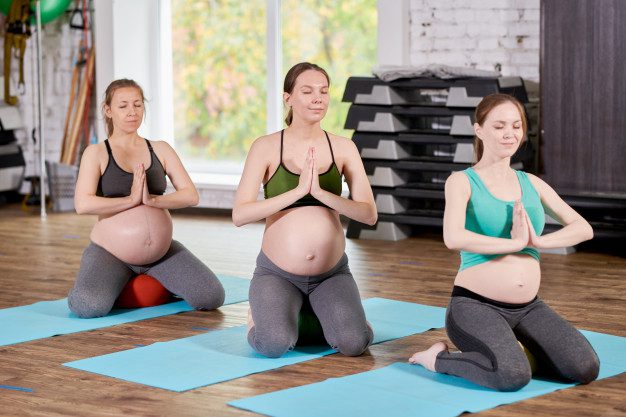
Pregnancy is a unique time in a woman's life when her body undergoes many physical and emotional changes. It is a time of joy and anticipation but also a time when a woman needs to take special care of her health and well-being. Exercise is an important part of prenatal care, and there is growing evidence that physical activity during pregnancy can have significant benefits for both mother and baby.
In this article, we will explore the importance of prenatal fitness, the benefits of exercise during pregnancy, and how to safely and effectively incorporate exercise into your prenatal routine.
The Importance of Prenatal Fitness
Prenatal fitness refers to the physical activity and exercise that women engage in during pregnancy. It is essential for the health and well-being of both mother and baby. Exercise during pregnancy can help manage weight gain, reduce the risk of gestational diabetes and hypertension, improve cardiovascular health, and promote healthy fetal development.
Physical activity during pregnancy can also help reduce the risk of complications during childbirth, including preterm delivery, low birth weight, and the need for a cesarean section. Moreover, prenatal fitness can improve a woman's mental health during pregnancy, reducing the risk of depression and anxiety.
Benefits of Exercise During Pregnancy
There are many benefits to engaging in regular physical activity during pregnancy. Here are just a few:
- Healthy weight management: Weight gain during pregnancy is normal and necessary, but excessive weight gain can increase the risk of complications. Exercise can help manage weight gain and reduce the risk of gestational diabetes.
- Reduced risk of gestational diabetes and hypertension: Physical activity can help regulate blood sugar levels and reduce the risk of gestational diabetes and hypertension.
- Improved cardiovascular health: Exercise during pregnancy can improve cardiovascular health and reduce the risk of heart disease and stroke.
- Better sleep: Exercise can improve sleep quality and reduce the risk of sleep disturbances during pregnancy.
- Improved mood: Exercise can reduce the risk of depression and anxiety during pregnancy and improve overall mental health.
- Improved fetal development: Regular physical activity during pregnancy can improve fetal development, leading to healthier babies.
- Easier labor and delivery: Exercise during pregnancy can help prepare the body for childbirth, making labor and delivery easier and reducing the risk of complications.
- Faster postpartum recovery: Regular physical activity during pregnancy can help women recover faster after childbirth and return to their pre-pregnancy weight more quickly.
How to Safely Incorporate Exercise into Your Prenatal Routine
While physical activity during pregnancy is essential, it is important to approach exercise with caution and to speak with your doctor before starting a new exercise program. Here are some tips for safely incorporating exercise into your prenatal routine:
- Consult your doctor: Before beginning any exercise program, speak with your doctor to ensure that it is safe for you and your baby.
- Start slowly: If you are new to exercise, start slowly and gradually increase the intensity of your workouts over time.
- Choose low-impact activities: Activities that are low-impact, such as walking, swimming, and yoga, are generally safe for pregnant women.
- Avoid high-risk activities: High-impact activities, such as running and jumping, should be avoided during pregnancy.
- Stay hydrated: Drink plenty of water before, during, and after your workouts to stay hydrated.
- Listen to your body: Pay attention to your body and stop exercising if you feel dizzy, short of breath, or experience any pain.
- Incorporate pelvic floor exercises: Pelvic floor exercises, such as Kegels, can help prepare the body for childbirth and reduce the risk of incontinence after childbirth.
- Wear comfortable clothing: Wear comfortable, loose-fitting clothing that allows for movement and breathability.