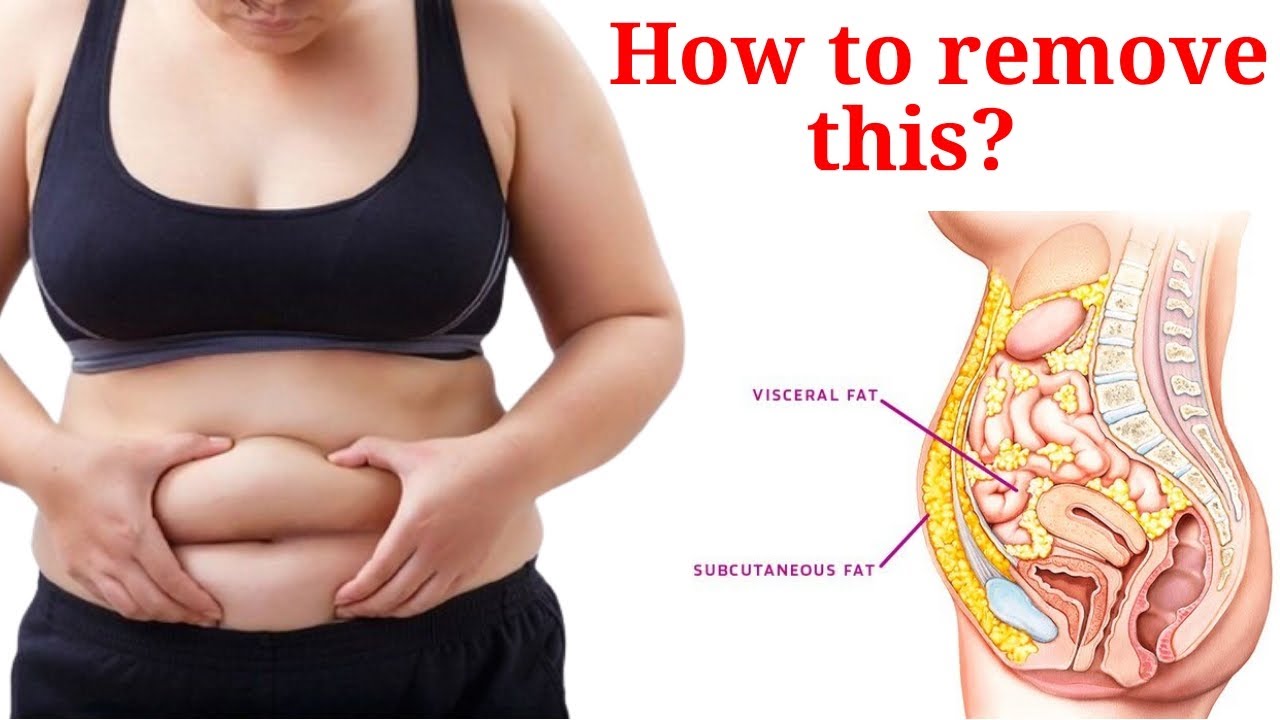
Fat in a certain amount is needed by the human body, as a source of energy, support brain function, help absorption of vitamins, support hormone production and cell growth. However, excessive amounts of fat, especially fat in the abdominal cavity, will be very dangerous for your body.
Many people may not know what visceral fat is. In contrast to subcutaneous fat which is located under the skin and can easily be found around the arms, legs or stomach which is easily palpable, visceral fat or active fat is fat which is located in the abdominal cavity and is directly attached to or covers vital organs such as the liver, stomach, intestines and not infrequently found in arteries that can cause blockages in blood vessels.
Visceral fat is suspected as one of the causes of degenerative diseases; heart disease, stroke, diabetes or type 2 diabetes mellitus (DM) and others.
The only way to diagnose visceral fat is with a CT scan or MRI, but these procedures are time consuming and quite expensive. Healthcare providers usually use general guidelines for evaluating visceral fat and the health risks it poses to the body.
Harvard Health says that approximately 10% of all body fat is visceral fat. So, if you are calculating total body fat, then 10% of total fat is your approximate visceral fat. An easy way to find out if you are at risk for excess visceral fat is to measure your waist size.
According to Health Watch records from Harvard Women and Harvard T.H. Chan School of Public Health, if a woman and waist size reaches 89 cm or greater and or a man with a waist size of 100 cm or greater then the risk of experiencing health problems due to visceral fat.
There is another method you can use to measure visceral fat: measuring your waist to hip ratio. The way to measure abdominal circumference is by pulling the tape measure through the navel while breathing normally. However, there are also those who measure the abdominal circumference by pulling the tape measure at the level between the lowest ribs and the most protruding side of the hip bone (this method is not recommended because it is too difficult for those who are unfamiliar).
Hip circumference is measured by pulling the tape measure at the level of the widest hip/buttock. The ratio of 0.94 for men and 0.88 for women is considered to correlate with the amount of visceral fat as much as 130 cm2 which is a critical value. The normal ratio for men is less than 0.9 and women is less than 0.84. If your visceral fat has exceeded the critical value limit, then it is better to immediately change to a healthier lifestyle by paying attention to a balanced diet, physical activity (exercise) for 30-60 minutes per day, controlling stress and getting enough rest.