Antique Furniture Restoration NYC – A Complete Guide
Introduction to Antique Furniture Restoration
Antique furniture holds more than just aesthetic appeal—it’s a piece of history, a relic of craftsmanship, and often, a sentimental treasure passed down through generations. In a city like New York, where history blends seamlessly with modernity, restoring antique furniture isn’t just a hobby—it’s a necessity for many homeowners, collectors, and businesses.
But what exactly does antique furniture restoration involve? Unlike refinishing, which often involves stripping and replacing finishes, restoration focuses on preserving the original integrity of the piece. The goal is to repair damage, refresh its appearance, and maintain its authenticity.
Restoring antique furniture in NYC is especially crucial due to factors like fluctuating humidity, pollution, and urban living conditions that can accelerate deterioration. Whether you own a vintage wooden armoire, a colonial-era table, or an Art Deco chair, restoration can breathe new life into these timeless pieces, ensuring they remain functional and beautiful for years to come.
Understanding the Value of Antique Furniture
Historical Significance of Antiques
Antique furniture isn’t just about beauty—it tells a story. Whether it’s a 19th-century mahogany desk or a hand-carved Victorian cabinet, each piece has a rich past. Understanding its historical value can help determine whether restoration is necessary and how it should be approached.
How Restoration Enhances Value
Many people mistakenly believe that restoring antique furniture diminishes its value. In reality, a well-executed restoration can increase an antique’s worth by preserving its structure and functionality. Collectors and buyers often seek out restored pieces, especially when the work is done professionally and in a way that respects the original craftsmanship.
Common Types of Antique Furniture in NYC
NYC is home to diverse styles of antique furniture, thanks to its rich history. Some of the most common types include:
- Colonial and Federal Styles: Found in historic townhouses
- Victorian Furniture: Featuring intricate woodwork and dark finishes
- Mid-Century Modern Pieces: Popular in many urban apartments
- Art Deco Designs: Often restored for contemporary use
Whether you have a family heirloom or a flea market find, restoring these pieces can enhance their charm and usability.
Common Issues with Antique Furniture
Over time, antique furniture naturally experiences wear and tear. Some of the most frequent problems include:
1. Wood Deterioration and Scratches
- Exposure to humidity and temperature changes in NYC can cause wood to warp, crack, or weaken.
- Scratches and surface damage occur from daily use, moving, or improper cleaning methods.
2. Structural Damage and Loose Joints
- Older furniture often uses traditional joinery methods like dovetail joints, which can loosen over time.
- Broken legs, weak arms on chairs, and wobbly table bases are common problems requiring professional repair.
3. Stains, Discoloration, and Veneer Damage
- Spilled liquids, sun exposure, and aging finishes can cause discoloration.
- Veneer peeling is especially common in older furniture with thin wood layers applied to the surface.
Addressing these issues properly can ensure that your furniture not only looks great but also lasts for decades.
The Antique Furniture Restoration Process
Restoring antique furniture requires patience, skill, and knowledge of traditional craftsmanship. Here’s an overview of the key steps involved:
Step 1: Assessing the Condition
Before diving into restoration, a thorough evaluation of the piece is crucial. Experts inspect for structural damage, missing parts, and surface wear to determine the best approach.
Step 2: Cleaning and Preparation
- Gentle cleaning: Using mild soap, distilled water, and soft brushes to remove grime.
- Stripping old finishes: Only if necessary, to restore the original wood.
Step 3: Repairing and Refinishing
- Fixing loose joints: Using traditional gluing methods to preserve authenticity.
- Replacing missing parts: Matching wood types to maintain consistency.
- Restoring finishes: Using shellac, lacquer, or oil finishes to enhance appearance.
Step 4: Final Touches and Preservation
- Polishing and waxing: For protection and a refined look.
- Applying protective coatings: To guard against further wear and environmental factors.
Each step plays a vital role in ensuring that an antique piece regains its original charm without losing its historical essence.
DIY vs. Professional Restoration in NYC
Should you try restoring antique furniture yourself, or is it better left to professionals? Here’s a breakdown:
When to Choose DIY Restoration
- Minor scratches and surface stains
- Loose screws or small structural fixes
- Refinishing projects on less valuable pieces
Benefits of Hiring a Professional
- Expertise in antique materials and finishes
- Access to specialized tools and techniques
- Ensures historical accuracy and authenticity
Cost Comparison
DIY restoration may seem cheaper, but improper techniques can cause irreversible damage, reducing the furniture’s value. Professional services may cost more upfront but ensure long-term preservation.
Choosing the Best Antique Furniture Restoration Service in NYC
When it comes to restoring antique furniture in NYC, finding a skilled professional is crucial. The city is home to numerous restoration shops, but not all are created equal. Here’s what you should consider when choosing the right service:
Factors to Consider When Hiring a Restorer
- Experience and Expertise: Look for professionals with years of experience specifically in antique restoration. Some restoration shops specialize in certain eras or styles, so find one that matches your furniture’s needs.
- Customer Reviews and Reputation: Check online reviews, testimonials, and recommendations from antique collectors or furniture dealers.
- Portfolio of Previous Work: A reputable restorer should provide before-and-after photos of past projects. This will give you an idea of their skill level and approach to restoration.
- Restoration Philosophy: Some restorers focus on full refinishing, while others emphasize minimal intervention to preserve authenticity. Discuss their approach before committing.
- Cost Estimates and Timeline: Restoration projects can take anywhere from a few weeks to several months. Get a clear estimate and timeline to avoid surprises.
Questions to Ask Before Hiring
- Do you specialize in antique furniture restoration?
- What restoration techniques do you use?
- How do you ensure the authenticity of the piece?
- Can I see examples of your previous work?
- What is your estimated cost and time frame for my project?
Tools and Materials Used in Restoration
Restoring antique furniture requires a careful selection of tools and materials to maintain the integrity of the piece.
Essential Tools for Restoring Antique Furniture
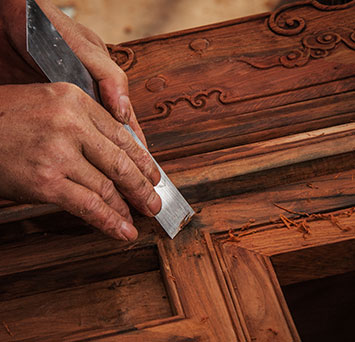
- Hand Planes and Chisels: Used for shaping and repairing wood surfaces.
- Wood Glue and Clamps: Essential for securing loose joints and broken pieces.
- Sandpaper and Steel Wool: For gentle refinishing and surface preparation.
- Wood Fillers and Epoxy Resin: To repair cracks and missing sections.
- Shellac, Varnish, or Oil Finishes: Used to enhance and protect the wood’s surface.
Types of Wood Finishes and Sealants
Choosing the right finish is crucial in restoration:
- Shellac: Provides a traditional look and is easy to repair.
- Lacquer: A durable finish often used for Art Deco and mid-century furniture.
- Beeswax Polish: Offers a natural finish and protects against moisture.
Safe Cleaning and Repair Products
Using the right cleaning products ensures the furniture’s longevity:
- Murphy’s Oil Soap: A gentle cleaner for wooden surfaces.
- White Vinegar and Water Mixture: Works well for removing grime.
- Mineral Spirits: Helps clean old wax and residues without damaging the finish.
Restoring antique furniture is a delicate process, and using high-quality tools and materials ensures the best results.
Eco-Friendly Restoration Practices
Sustainability is becoming a significant focus in the world of furniture restoration. Many restorers in NYC are adopting eco-friendly methods to preserve antique furniture while minimizing environmental impact.
Using Sustainable Materials
- Reclaimed Wood: For replacing missing parts while maintaining authenticity.
- Natural Dyes and Pigments: Avoids harmful chemicals found in synthetic stains.
Non-Toxic Finishes and Adhesives
- Linseed Oil and Beeswax: Natural alternatives to chemical-laden finishes.
- Water-Based Adhesives: Safer for the environment and indoor air quality.
Importance of Preserving Natural Patina
- The patina on antique furniture adds character and value. Over-polishing or refinishing can strip away this historical charm.
- Many restorers prefer to enhance the existing patina rather than remove it completely.
Eco-friendly restoration practices not only help the environment but also preserve the authenticity and historical significance of antique furniture.
Challenges in Antique Furniture Restoration
Restoring antique furniture comes with unique challenges that require expertise and careful handling.
Matching Original Materials
- Some antique woods, like mahogany or rosewood, are rare and difficult to source.
- Finding period-accurate replacement hardware, such as drawer pulls and hinges, can be challenging.
Maintaining Authenticity
- Over-restoration can erase historical details, reducing the piece’s value.
- Using modern materials can compromise the furniture’s original design.
Avoiding Over-Restoration
- Some pieces benefit from light touch-ups rather than full refinishing.
- Antique enthusiasts often prefer furniture with minor wear, as it adds to the charm.
Understanding these challenges helps restorers make informed decisions about how to approach each project.
Cost of Antique Furniture Restoration in NYC
Restoring antique furniture in NYC can vary in cost depending on several factors.
Price Range for Different Restoration Services
- Minor repairs (scratches, small cracks): $100 - $500
- Refinishing a table or chair: $500 - $1,500
- Full structural restoration: $1,500 - $5,000+
Factors Affecting the Cost
- Extent of Damage: Deep scratches, missing parts, or wood rot increase the cost.
- Type of Wood and Finish: Rare woods and intricate finishes require specialized restoration.
- Labor and Time: Highly detailed work takes longer and costs more.
Is Restoration Worth the Investment?
- If the piece has historical significance, professional restoration can enhance its value.
- Well-maintained antique furniture can last for generations, making restoration a cost-effective option.
Finding Antique Furniture for Restoration Projects
If you’re looking to start a restoration project, NYC offers plenty of opportunities to find antique furniture.
Best Places to Buy Antique Furniture in NYC
- Estate Sales: Great for finding high-quality antiques at reasonable prices.
- Flea Markets: Spots like the Brooklyn Flea have a mix of vintage and antique furniture.
- Auction Houses: Sotheby’s and Christie’s often feature rare antique pieces.
Tips for Spotting Valuable Antiques
- Look for furniture with dovetail joints, a sign of craftsmanship.
- Check for maker’s marks, which can indicate authenticity.
- Inspect the wood and finish—solid wood furniture holds more value than veneered pieces.
By knowing where to look, you can find hidden gems that are perfect for restoration.
How to Maintain Restored Antique Furniture
Once your furniture has been restored, proper maintenance is key to preserving its beauty.
Proper Cleaning Techniques
- Dust regularly with a soft, lint-free cloth.
- Use mild wood cleaners—avoid harsh chemicals.
Preventing Damage Over Time
- Keep furniture away from direct sunlight to prevent fading.
- Control humidity levels to avoid warping or cracking.
Regular Maintenance Tips
- Apply furniture wax or polish every few months.
- Check joints and hardware to ensure stability.
With the right care, restored antique furniture can remain in excellent condition for years.
Conclusion and Final Thoughts
Antique furniture restoration in NYC is more than just repairing old pieces—it’s about preserving history, craftsmanship, and sentimental value. Whether you’re restoring a family heirloom or an antique shop find, investing in professional restoration can extend the life and beauty of your furniture.
NYC offers countless skilled restorers who can bring antique pieces back to their former glory while maintaining their authenticity. With proper care and preservation techniques, these restored pieces can be cherished for generations to come.
FAQs
- How long does antique furniture restoration take?Depending on the damage and complexity, restoration can take anywhere from a few weeks to several months.
- Is restoring antique furniture expensive?Costs vary based on the extent of repairs but typically range from a few hundred to several thousand dollars.
- Can all types of damage be repaired?Most structural and surface damage can be fixed, but some pieces may be beyond restoration.
- Does restoration decrease the value of antiques?If done professionally and historically accurate, restoration often increases value.
- Where can I find the best restoration services in NYC?Many reputable shops specialize in antique restoration—look for highly rated professionals with proven experience.