As we step into 2025, the authentication landscape continues to evolve, driven by emerging technologies and the need for robust security solutions. The rise in cyber threats, combined with the demand for seamless user experiences, has shaped a new era of authentication practices. Let’s dive into the trends and innovations defining authentication in 2025.
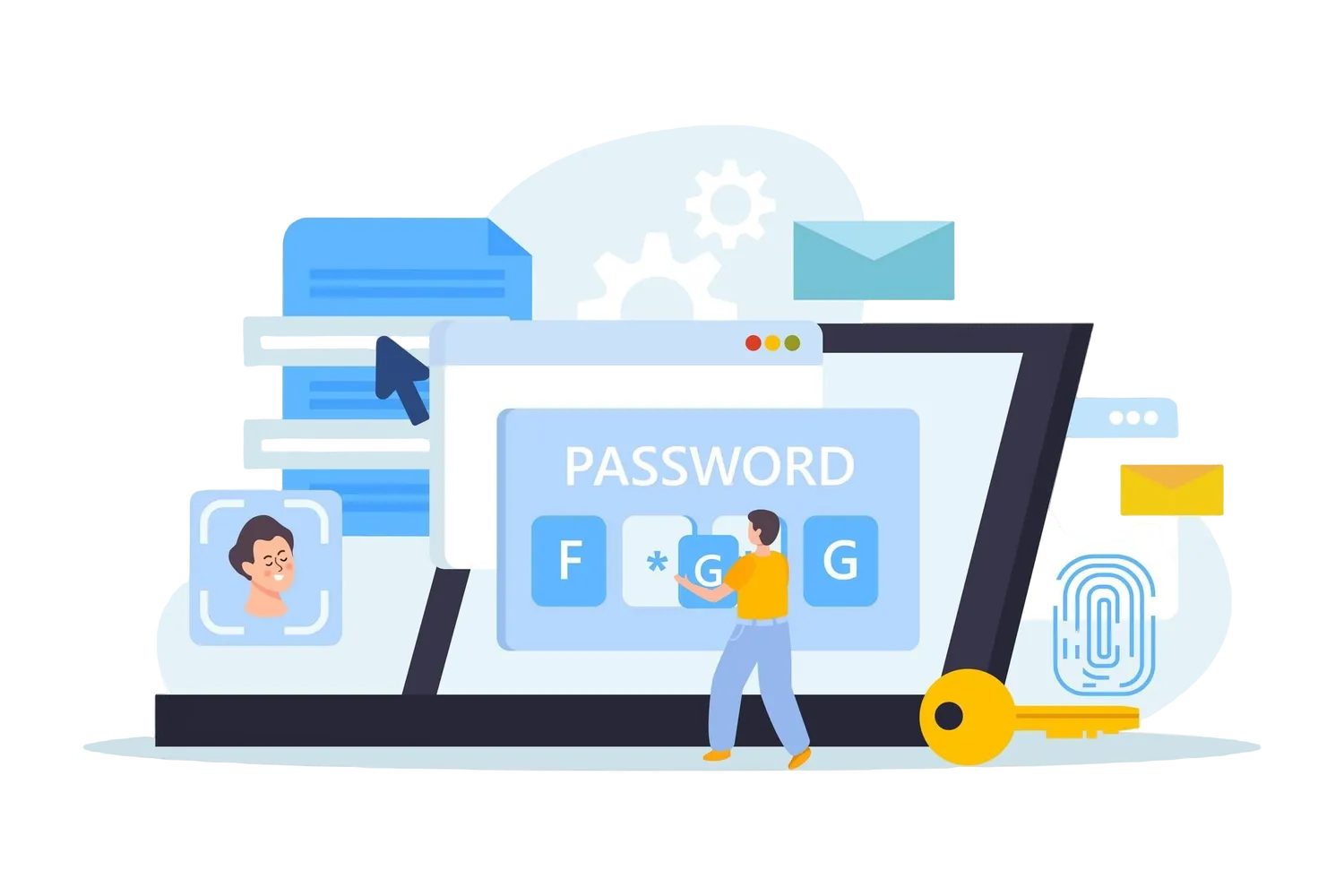
1. Passwordless Authentication Becomes the Norm
Passwords are increasingly viewed as a relic of the past. With vulnerabilities like weak credentials and phishing attacks, organizations are embracing passwordless solutions. Technologies such as FIDO2, biometrics, and passkeys are taking center stage, offering both enhanced security and a frictionless user experience.
Passkeys, in particular, have gained significant traction due to their ability to replace passwords with cryptographic key pairs, eliminating the need for users to remember complex combinations.
2. AI-Powered Authentication
Artificial intelligence is playing a crucial role in authentication processes. AI-driven systems analyze user behavior, device patterns, and contextual data to detect anomalies and potential threats. This adaptive approach ensures a balance between security and usability.
For instance, machine learning models can flag unusual login attempts, triggering step-up authentication only when necessary, thereby reducing friction for legitimate users.
3. Continuous Authentication for Enhanced Security
Static authentication is being replaced by continuous methods that validate users throughout their session. Leveraging behavioral biometrics, such as typing patterns, mouse movements, and navigation habits, organizations can ensure persistent authentication without disrupting workflows.
Continuous authentication is particularly valuable in remote work environments, where secure access to sensitive data is paramount.
4. Biometric Authentication Takes Over
Biometrics has moved beyond fingerprints and facial recognition. New forms of biometric authentication, like voice recognition, vein patterns, and even heartbeat analysis, are becoming mainstream. These methods are not only more secure but also harder to replicate, providing a robust layer of protection.
5. The Rise of Decentralized Identity
Decentralized identity systems are gaining momentum, enabling users to control their own credentials. By leveraging blockchain technology, users can securely store and share identity attributes without relying on a central authority. This approach enhances privacy and reduces the risk of data breaches.
6. Multi-Factor Authentication (MFA) Gets Smarter
MFA remains a cornerstone of secure access, but in 2025, it’s becoming more intelligent. Risk-based MFA dynamically adjusts authentication requirements based on the context, such as location, device, and time of access. For example, a login attempt from an unusual location might prompt a second factor, while a trusted device might allow seamless access.
7. Authentication in the IoT Era
The proliferation of IoT devices poses new challenges for authentication. Ensuring secure access to connected devices, ranging from smart homes to industrial equipment, requires innovative solutions. Zero Trust principles are being applied to IoT authentication, where every device and user must verify their identity before gaining access.
8. Authentication Meets Quantum Computing
As quantum computing advances, traditional cryptographic methods face potential vulnerabilities. In response, organizations are adopting quantum-resistant algorithms to future-proof authentication systems. These post-quantum cryptographic methods ensure that sensitive data remains secure, even in a post-quantum world.
The Road Ahead
Authentication in 2025 is no longer just about keeping unauthorized users out—it’s about creating a seamless, secure, and user-friendly experience. As technology evolves, businesses must stay ahead of the curve by adopting these advancements to protect their digital assets and ensure trust among users.
Are you ready to embrace the future of authentication? Let’s make 2025 the year of smarter, safer access.