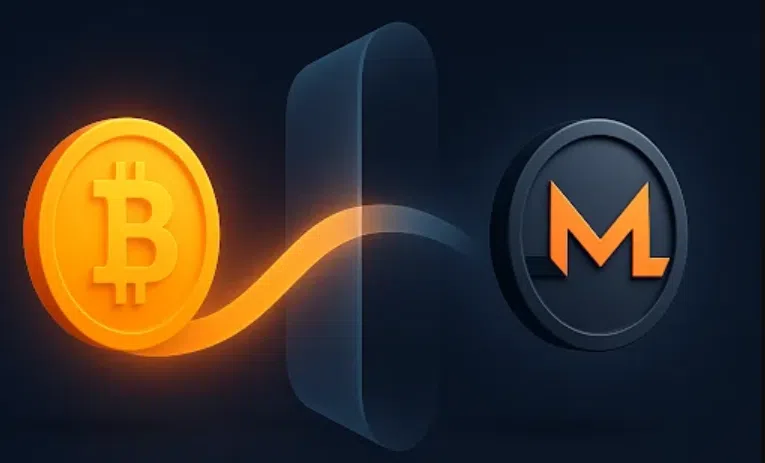
Cryptocurrency technology has changed how people exchange digital assets, manage payments, and interact with decentralized financial systems. As blockchain networks continue to expand, connecting different ecosystems has become increasingly important. At the same time, financial privacy and personal information protection remain major concerns for cryptocurrency users. No KYC XMR Bridge is a topic that combines these interests by exploring Monero transfers, blockchain interoperability, and identity verification requirements.
Understanding this technology can help users evaluate cryptocurrency services more carefully. From Monero's privacy features to bridge security and regulatory considerations, several factors influence how these systems operate.
What Is a No KYC XMR Bridge?
A No KYC XMR Bridge refers to a cryptocurrency bridge or exchange mechanism involving Monero (XMR) that may allow eligible transactions without traditional identity verification.
KYC stands for Know Your Customer. It describes procedures used by financial institutions and cryptocurrency services to verify customer identities. These procedures may involve government-issued identification, residential information, and other personal details.
The concept of a No KYC XMR Bridge attracts attention from individuals interested in minimizing unnecessary personal information collection.
However, not every bridge supports Monero, and not every service operates without verification. Requirements depend on the provider, transaction circumstances, jurisdiction, and applicable regulations.
Understanding Monero's Privacy Technology
Monero is a cryptocurrency developed with transaction privacy as a central feature. Unlike many transparent blockchain networks, Monero uses cryptographic technologies to conceal important transaction details.
Its privacy architecture includes three major components:
Ring signatures help obscure the actual sender.
Stealth addresses protect recipient information.
Ring Confidential Transactions conceal transaction amounts.
These technologies make Monero different from cryptocurrencies whose transaction histories are publicly traceable.
The growing interest in No KYC XMR Bridge services is partly connected to Monero's privacy-focused design and the desire to understand how its assets interact with other blockchain ecosystems.
However, Monero's native privacy protections do not automatically apply to representations of XMR on other networks.
How Cryptocurrency Bridges Work
Cryptocurrency bridges connect separate blockchain networks that cannot communicate directly.
Some bridges lock an original asset on one blockchain and issue a corresponding representation on another. Other systems use liquidity providers or specialized exchange mechanisms to facilitate transfers.
A No KYC XMR Bridge may involve additional technical challenges because Monero uses a different transaction architecture from many transparent blockchain networks.
Users should understand how a particular service handles deposits, transaction verification, asset custody, and withdrawals.
It is also important to determine whether the bridge uses centralized operators, decentralized infrastructure, or third-party liquidity providers.
Why Identity Verification Matters
Identity verification is commonly used by regulated financial services to meet legal and compliance responsibilities.
Cryptocurrency platforms may apply different verification requirements depending on their business model, operating location, and transaction characteristics.
People researching No KYC XMR Bridge services should understand that privacy preferences do not automatically remove applicable legal obligations.
Some platforms may offer limited services without traditional account registration, while others may require additional verification under specific circumstances.
Reading the provider's terms and understanding local cryptocurrency regulations can help users avoid unexpected restrictions.
Benefits of Privacy-Focused Cryptocurrency Transfers
Privacy-oriented cryptocurrency technology offers several potential advantages.
One important benefit is improved financial confidentiality. Monero's native privacy mechanisms help protect transaction information from public observation.
Another advantage is greater flexibility when interacting with different digital asset ecosystems. Cross-chain infrastructure can potentially make assets accessible across supported networks.
A No KYC XMR Bridge may also appeal to individuals who prefer services that minimize unnecessary personal information collection.
However, these advantages depend on the actual technology and operating policies of the provider. A service's name alone cannot establish its privacy or security characteristics.
Security Risks and Important Considerations
Cryptocurrency bridges involve technical and financial risks that users should understand before transferring assets.
Smart contract vulnerabilities can expose funds to attacks. Centralized operators may introduce counterparty risks, while insufficient liquidity can result in transaction delays.
When evaluating a No KYC XMR Bridge, users should examine independent security audits, technical documentation, operating history, and published transaction fees.
Wallet security is equally important. Never disclose private keys or recovery phrases to websites, exchange operators, or individuals claiming to provide technical assistance.
Users should also verify website addresses carefully to avoid phishing websites and fraudulent services.
How to Evaluate a Reliable XMR Bridge
Choosing a cryptocurrency bridge requires careful investigation.
Start by confirming whether the platform genuinely supports Monero and the intended destination network. Review its documentation to understand the transaction process and asset management structure.
When comparing No KYC XMR Bridge options, consider the following factors:
Supported cryptocurrencies and blockchain networks.
Transparent transaction fees and exchange rates.
Available security assessments.
Clear privacy and data collection policies.
Reliable documentation and customer support.
Avoid services that promise guaranteed anonymity or unrealistic exchange rates without explaining their technical processes.
Where appropriate, a small test transaction may help identify operational issues before transferring larger amounts.
The Future of Monero and Blockchain Interoperability
Blockchain interoperability continues to attract attention from developers and cryptocurrency researchers. New technologies are being explored to improve network communication, transaction efficiency, and asset security.
Privacy-enhancing technologies may also influence the development of future cross-chain systems.
The growing discussion around No KYC XMR Bridge reflects the wider interest in combining financial confidentiality with blockchain connectivity.
Nevertheless, balancing privacy, security, usability, and regulatory compliance remains a complex challenge. Transparent development and independent technical research will be important for improving confidence in these systems.
Conclusion
Monero demonstrates how cryptocurrency technology can prioritize transaction privacy, while blockchain bridges offer opportunities to connect different digital asset ecosystems. Understanding No KYC XMR Bridge helps users explore the relationship between identity verification, Monero privacy, and cross-chain transfers.
Although privacy-focused services may provide useful options, their features and verification requirements vary. Users should carefully research providers, understand applicable regulations, and follow responsible wallet security practices before transferring digital assets. An informed approach is essential for navigating the evolving cryptocurrency landscape.