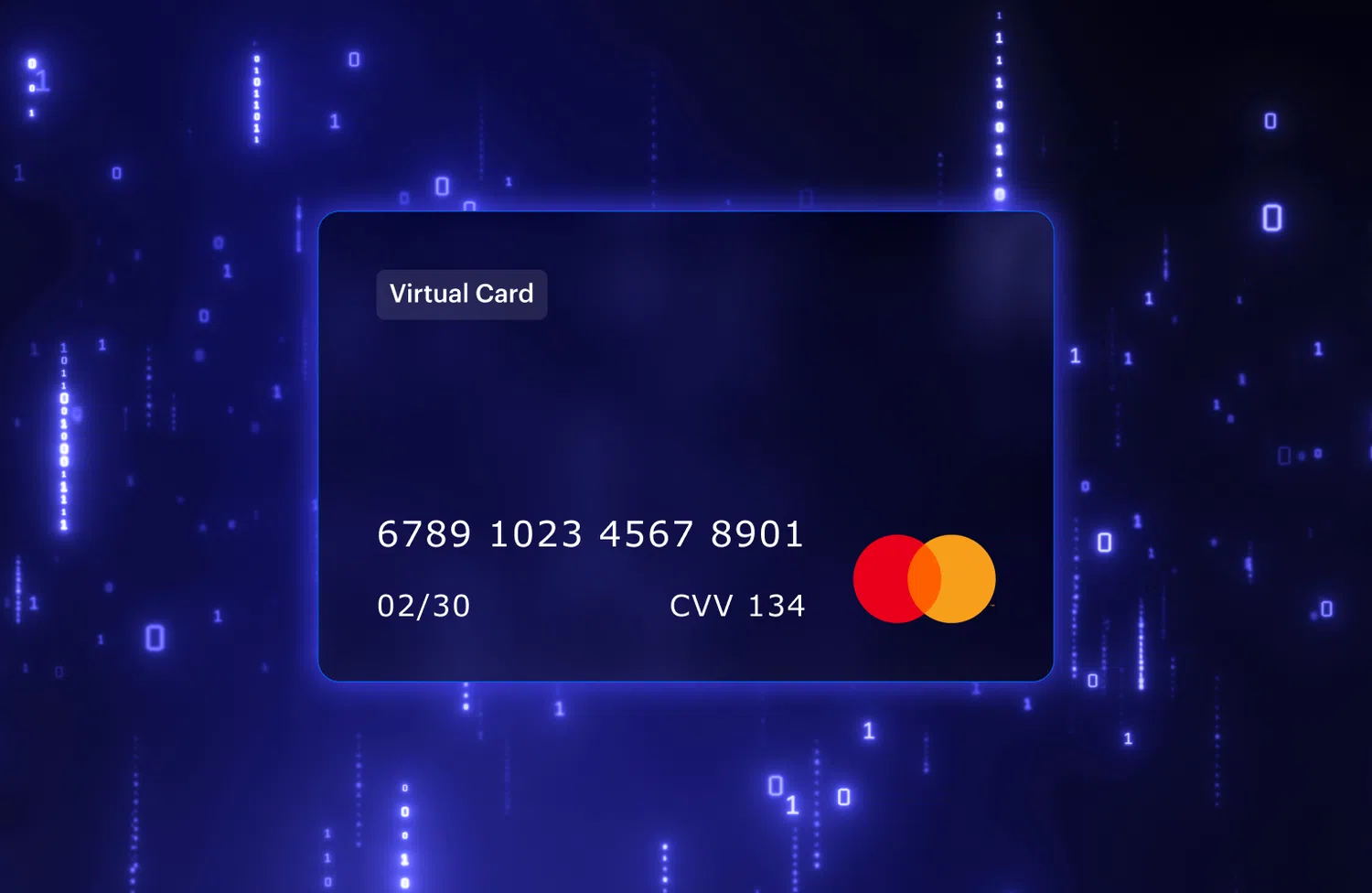
Digital payments have become an essential part of modern financial activities. People use online payment methods for shopping, software subscriptions, international services, and business transactions. As digital commerce continues to expand, many consumers are looking for payment solutions that offer convenience, flexibility, and greater control over their personal information. This growing interest has brought attention to no KYC virtual cards and other digital payment products that emphasize simplified account access.
Before choosing any payment service, it is important to understand how virtual cards work, what identity verification involves, and which features are legally available. Different providers have different registration requirements, transaction limits, and security policies.
What Are No KYC Virtual Cards?
No KYC virtual cards generally refer to digital payment cards advertised as requiring little or no traditional identity verification during registration. KYC stands for Know Your Customer, a process financial institutions use to verify customer identities and assess potential financial risks.
These virtual cards usually provide digital payment credentials, including a card number, expiration date, and security code. Depending on the provider, customers may use them for eligible online purchases without receiving a physical card.
However, the term does not guarantee that a service operates without identity checks. Some providers may offer limited access initially but require additional verification when customers increase transaction limits, withdraw funds, or use particular financial services.
How Virtual Payment Cards Work
Virtual payment cards function similarly to traditional debit or prepaid cards, except that their credentials are accessed electronically. Users generally obtain their card information through a website or mobile application.
When making an eligible online purchase, customers enter the card details into the merchant's payment form. The transaction is then processed through the relevant payment network and issuing institution.
Some providers allow customers to add funds before making purchases, while others connect cards to an existing financial account. Features such as spending limits, transaction notifications, and card freezing may also be available.
People researching no KYC virtual cards should carefully examine the actual registration and transaction requirements instead of relying entirely on promotional descriptions.
Why People Look for Simplified Verification
Traditional financial account registration can involve several steps, including submitting identification documents, providing personal details, and completing additional security checks.
Some consumers prefer payment services with simpler registration procedures because they want a faster account setup experience.
Freelancers, online shoppers, and digital entrepreneurs may also want separate payment credentials for managing different types of online expenses.
However, simplified registration does not remove the legal responsibilities of financial service providers. Depending on the country, card type, and transaction activity, identity verification may still be mandatory.
Benefits of Virtual Cards for Online Payments
One major advantage of virtual cards is convenience. Users can access their payment details electronically without carrying a physical wallet.
Another benefit is spending management. Certain providers allow customers to set transaction limits, monitor purchases, and temporarily disable cards.
Virtual cards may also help separate online shopping expenses from regular banking activities. Using dedicated payment credentials can reduce the need to share primary card information with multiple merchants.
Some no KYC virtual cards services advertise quick registration and simplified access. However, customers should verify whether these features are genuinely available and whether additional checks apply before making payments.
Security and Privacy Considerations
Security should always be a priority when selecting a digital payment provider. Customers should look for services that offer encrypted account access, secure authentication, transaction notifications, and clear procedures for reporting suspicious activity.
Two-factor authentication can provide additional protection against unauthorized account access. Regularly reviewing transaction histories can also help users identify unfamiliar payments.
Although no KYC virtual cards may appeal to customers who value simplified registration, users should not assume that reduced verification automatically means better security or complete financial privacy.
A trustworthy provider should clearly explain how it collects, stores, and protects customer information.
Understanding Fees and Transaction Limits
Different virtual card providers have different pricing structures. Some charge card issuance fees, while others apply monthly maintenance costs or transaction charges.
International purchases may involve foreign currency conversion fees and additional processing expenses. Prepaid products may also have loading limits, maximum balances, or withdrawal restrictions.
Before selecting no KYC virtual cards, customers should compare the complete fee structure and understand how the service handles refunds, declined transactions, and recurring payments. our apps: https://play.google.com/store/apps/details?id=com.payowire.app
A service with low registration costs may still become expensive when additional transaction charges are considered.
Legal and Regulatory Requirements
Financial regulations vary across countries and payment networks. Banks and authorized financial institutions may be required to verify customer identities, monitor transactions, and maintain appropriate financial records.
Certain prepaid or limited-use payment products may have simplified verification requirements where local regulations permit them. Other services require full identity verification before customers can access specific features.
Customers researching no KYC virtual cards should confirm that the provider operates legally in their country and clearly explains its verification policies.
Avoid services that promise unlimited anonymous spending, guaranteed approval, or ways to bypass financial regulations. Such claims may indicate unreliable or potentially fraudulent operations.
Choosing a Reliable Virtual Card Provider
Selecting a suitable provider requires checking several important factors. First, confirm that the service is available in your country and supports your preferred payment currencies.
Second, review card fees, transaction limits, international payment capabilities, and supported merchants.
Third, examine the provider's security policies, customer support options, refund procedures, and regulatory information.
Customers should also verify whether the card supports online subscriptions, international purchases, and the specific platforms they intend to use.
When comparing no KYC virtual cards, prioritize transparent service terms and legitimate payment functionality rather than choosing a provider based only on minimal registration requirements.
Conclusion
Virtual payment cards offer a convenient way to manage online purchases, digital subscriptions, and everyday expenses. No KYC virtual cards attract attention because of their simplified registration claims and potential privacy benefits, but actual requirements depend on the provider, card type, and applicable financial regulations.
Before choosing a service, customers should carefully examine its fees, security features, transaction limits, and identity verification policies. Selecting a legitimate and transparent provider is the best way to enjoy convenient digital payments while protecting personal and financial information.