Private jet travel offers a luxurious and convenient mode of transportation, allowing passengers to bypass the long lines, security checks, and delays that often come with commercial flights. However, while the experience is often associated with exclusivity and comfort, the safety standards behind private aviation are equally rigorous and complex. Despite its perceived luxury, flying on a private jet involves comprehensive protocols designed to ensure the safety of every passenger and crew member. From aircraft inspections to pilot training, a variety of measures are in place to uphold safety, making private jet travel one of the most secure ways to travel, even when compared to traditional air travel.
Aircraft Maintenance and Inspections
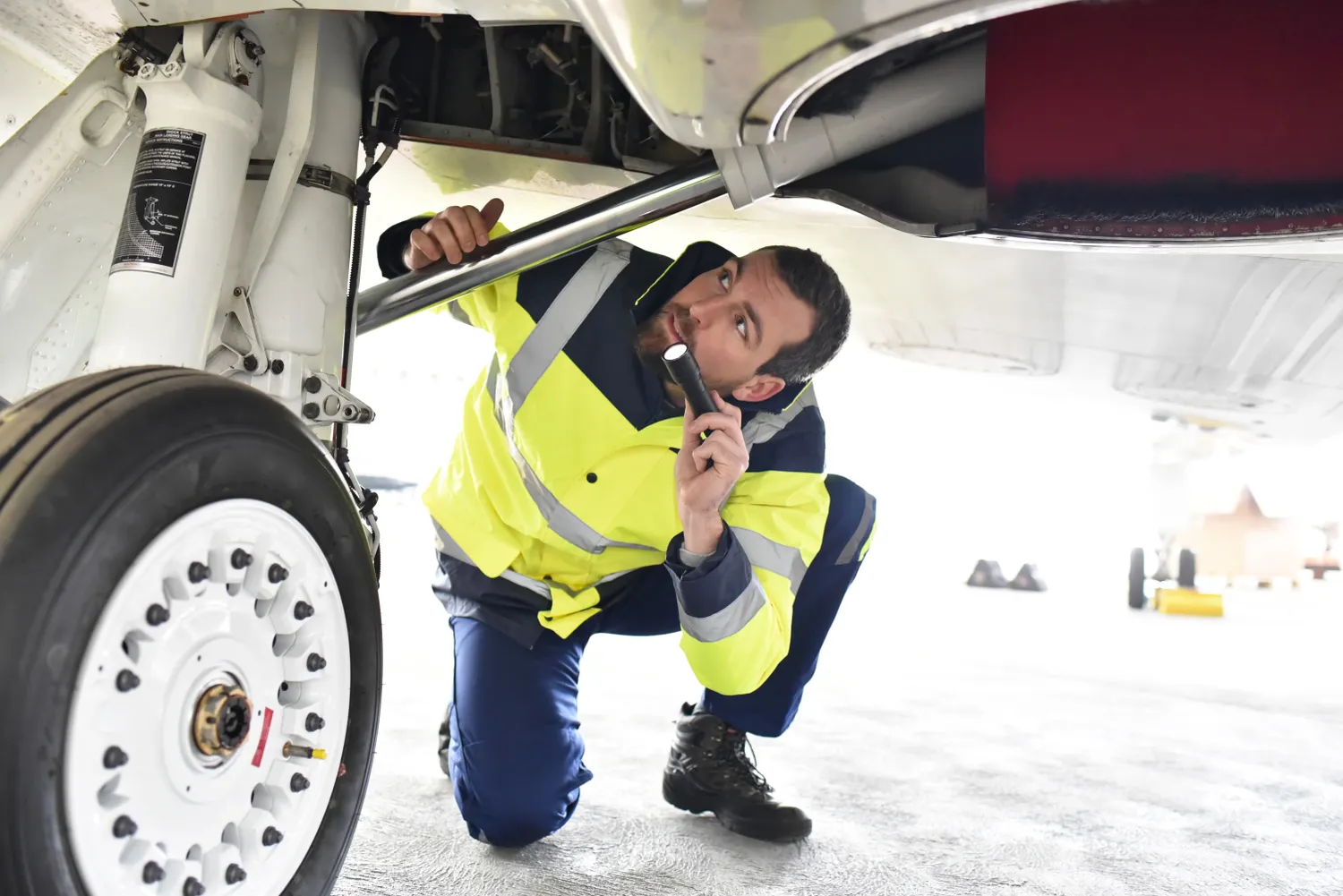
One of the foundational elements of safety in private jet travel is the maintenance and inspection of the aircraft. Unlike commercial airliners, which follow a set schedule for maintenance checks, private jets undergo regular and thorough inspections based on the manufacturer's recommendations and regulatory requirements. These inspections are typically more frequent for private aircraft, given their varying usage patterns and the smaller fleet sizes involved. Pre-flight checks ensure that all systems, from engines to navigation instruments, are in proper working order. Regular maintenance checks are conducted at certified maintenance facilities, and they are subject to the same rigorous safety standards that apply to commercial aviation. The goal is to address potential issues before they become safety risks, ensuring a smooth and secure flight experience.
Pilot Qualifications and Training
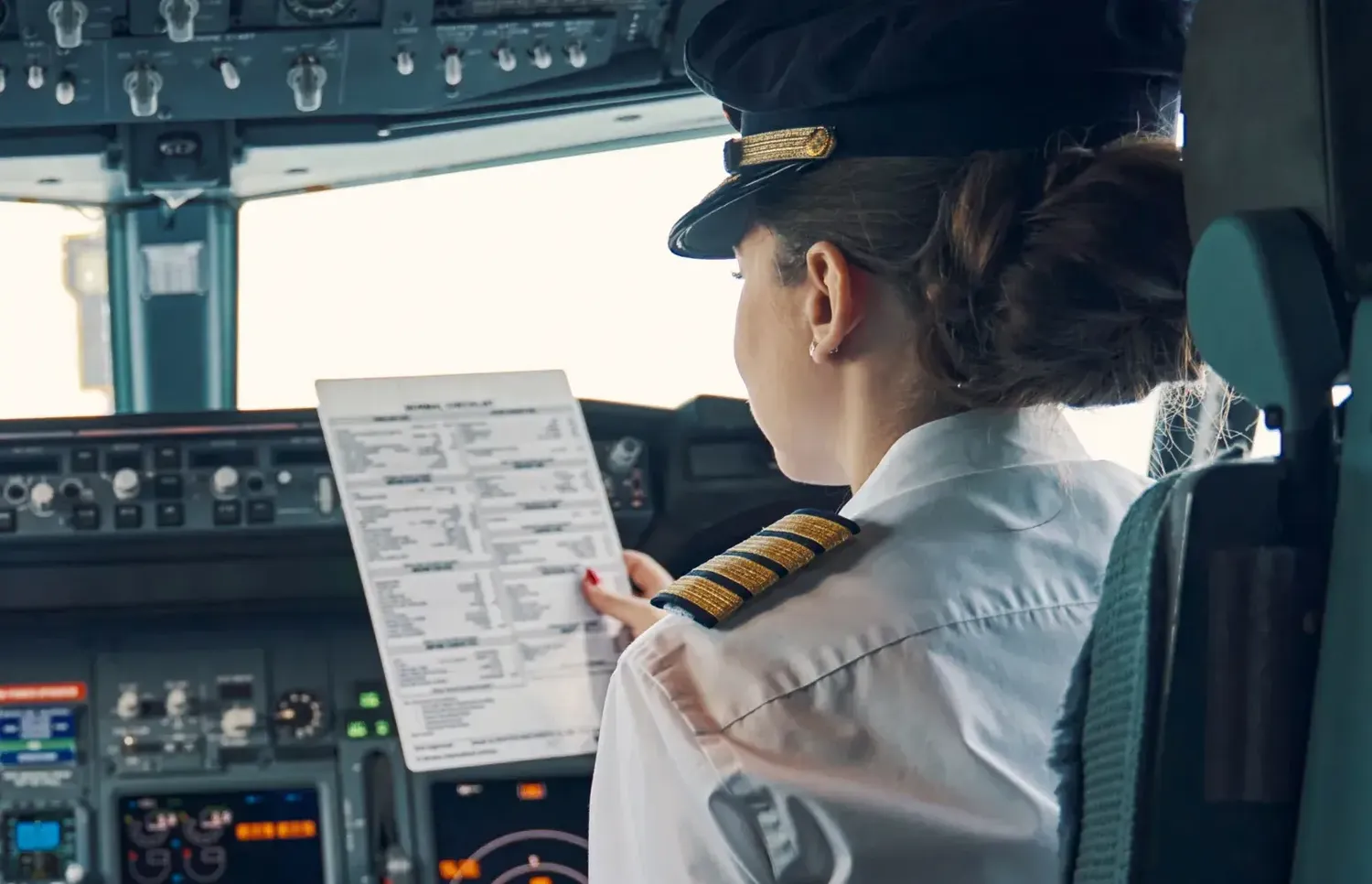
Just as aircraft maintenance is critical, the qualifications and training of pilots are paramount to ensuring safe private jet travel. Pilots operating private jets are required to hold commercial pilot licenses (CPL) and often need additional certifications, such as the type rating for specific aircraft models. They undergo continuous training to maintain their proficiency in various flight scenarios, including emergency situations, adverse weather conditions, and systems failures. Regular simulator training ensures pilots are prepared for any number of emergencies, while recurrent safety courses keep them updated on the latest aviation safety procedures and technologies. Many private jet operators require pilots to have substantial flight experience, often ranging from several thousand to tens of thousands of hours of flight time. This extensive training and experience ensure that pilots are fully capable of managing any flight situation, contributing to a higher safety standard than might be expected from less-experienced crew members.
Safety Equipment and Technology
Private jets are equipped with state-of-the-art safety equipment designed to protect passengers and crew in the event of an emergency. Aircraft are fitted with advanced avionics systems, such as collision avoidance and terrain awareness warning systems, which help pilots detect potential hazards. Additionally, private jets are often equipped with advanced communication systems that allow for constant contact with air traffic control, ensuring safe navigation even in remote areas. Other safety features include enhanced fire suppression systems, oxygen masks for each passenger, and emergency exits that meet specific size and placement requirements to facilitate quick evacuations if necessary. The incorporation of these technologies contributes significantly to the safety and well-being of those aboard, providing peace of mind throughout the journey. To know more about private jet travel click here - https://www.blackjet.com/
Regulatory Oversight and Compliance
Private jet travel is governed by stringent regulations set forth by national and international aviation authorities. In many countries, the safety standards for private aviation are enforced by aviation regulatory bodies, such as the Federal Aviation Administration (FAA) in the United States and the European Union Aviation Safety Agency (EASA) in Europe. These bodies establish the safety framework within which private jet operators must operate, ensuring that all aspects of aviation, from aircraft design to pilot qualifications, adhere to established safety protocols. Operators are also required to maintain an air operator certificate (AOC), which verifies their ability to comply with safety regulations and manage safe flight operations. Regular audits by these authorities ensure that safety standards are consistently upheld across the private aviation industry.
Passenger Responsibilities
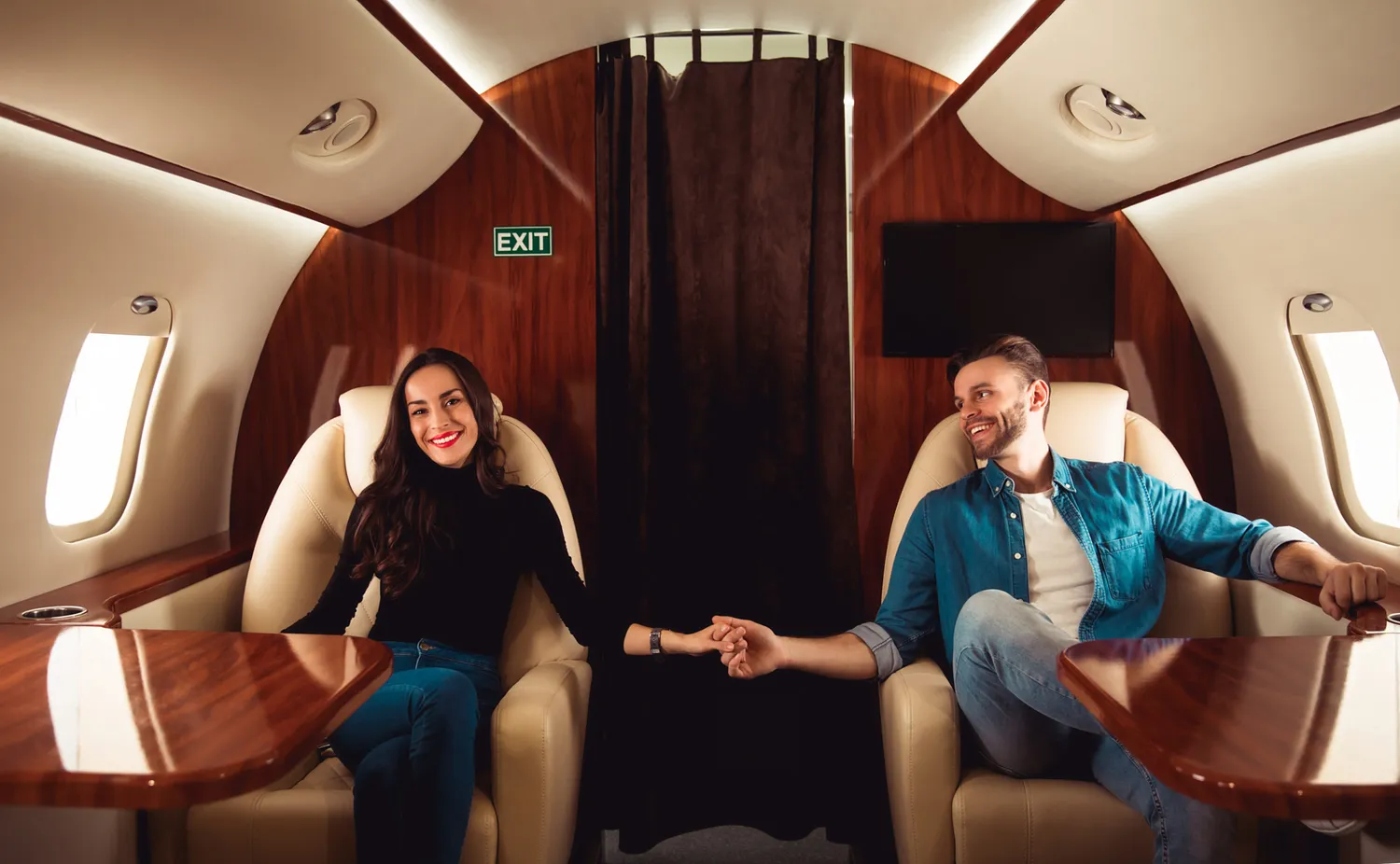
While operators and crew members are largely responsible for ensuring the safety of the flight, passengers also have a role to play. Passengers are expected to follow all safety instructions given by the flight crew, such as wearing seat belts during takeoff, landing, and turbulence, and complying with safety procedures in case of an emergency. Many private jets provide brief safety demonstrations before each flight, ensuring that all passengers are familiar with the emergency exits, oxygen mask procedures, and other vital safety protocols. By maintaining an active awareness of safety procedures, passengers contribute to creating a safer flying environment for everyone on board.
Conclusion
Private jet travel is often regarded as a symbol of luxury, but behind the velvet curtains of exclusivity lies a complex and meticulously designed system of safety standards. From comprehensive aircraft maintenance to rigorous pilot training, advanced safety technologies, and regulatory oversight, every aspect of private aviation is crafted with one goal in mind: the safety of passengers and crew. As travelers continue to opt for this premium mode of transport, understanding the behind-the-scenes safety measures will ensure that they not only enjoy the luxury of private flying but do so with peace of mind.