The electric bike revolution is in full swing, offering a more sustainable, efficient, and enjoyable way to commute, exercise, or explore the great outdoors. However, with the sudden explosion of brands, models, and technical specifications, choosing the right electric bicycle can feel overwhelming. To make an informed decision, it is crucial to carefully compare electric bikes based on your specific riding habits and lifestyle requirements.
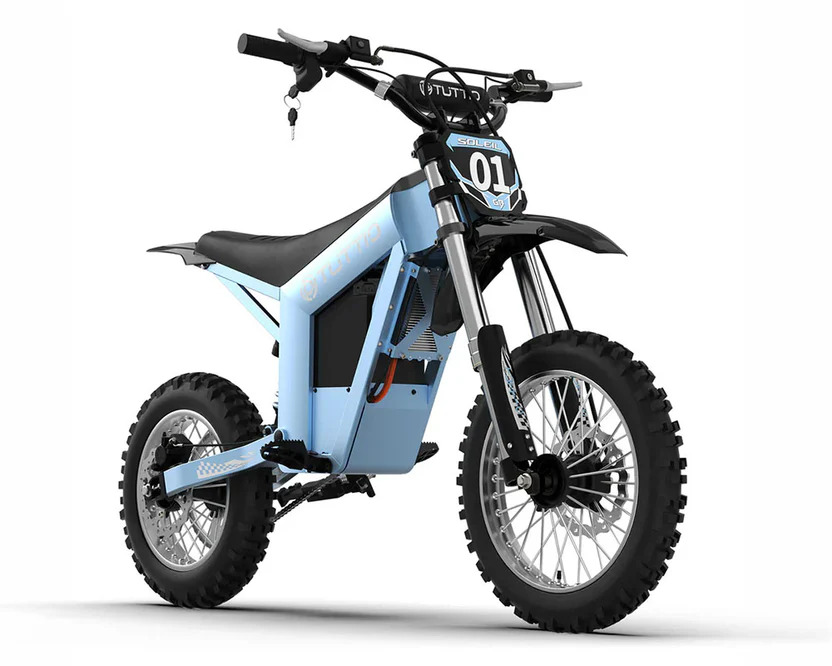
When evaluating different models, the first factor to consider is the motor type and power. Hub motors, located in the wheel, are generally more affordable and excellent for flat commutes. Mid-drive motors, positioned at the bike's crank, offer better balance and are vastly superior for tackling steep hills or off-road trails. Understanding what terrain, you will encounter daily dictates which motor configuration will serve you best.
Battery capacity is equally important. Measured in Watt-hours (Wh), the battery determines your maximum range. A standard commuter might only need a 400Wh battery for a quick round trip to the office, while a weekend adventurer taking long trails will likely want a 600Wh or higher capacity. Remember that factors like rider weight, terrain, and the level of pedal assist used will heavily influence the actual range you experience.
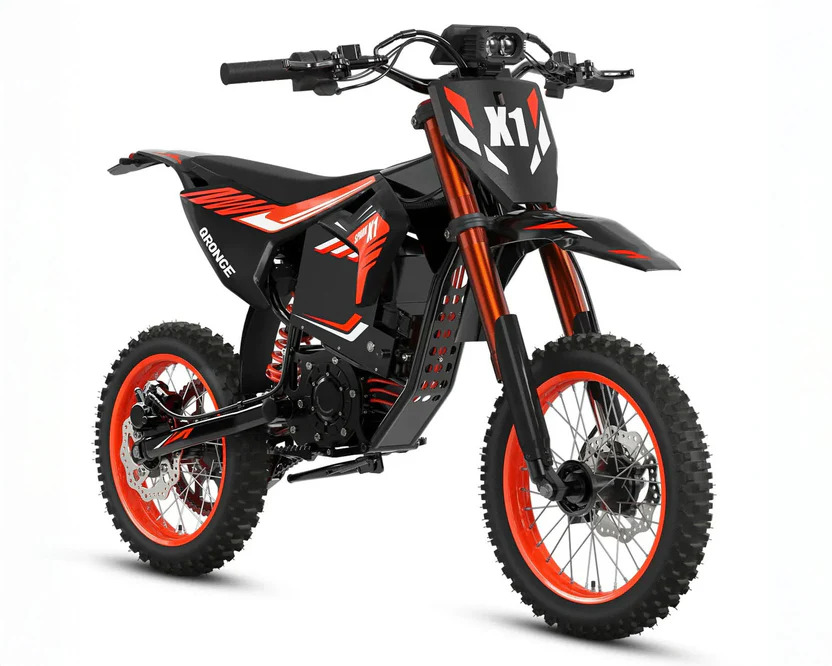
With so many variables from motor torque and battery range to braking systems and frame geometry keeping track of everything manually is incredibly difficult. This is where modern technology steps in. Utilizing a dedicated e-bike comparison tool allows you to place multiple models side-by-side. Instead of switching between dozens of browser tabs, you can instantly see which bike offers hydraulic brakes over mechanical ones, which has a higher payload capacity, or which provides the best range for your budget.
Comfort and sizing are the final puzzle pieces. An e-bike is a significant investment, and if the geometry does not fit your body, you will not ride it. Look at the step-through options if accessibility is a concern, and check suspension systems if you plan to ride on rough roads. By taking the time to meticulously analyze the specs using the right digital resources, you ensure that your investment leads to years of reliable, joyful riding.