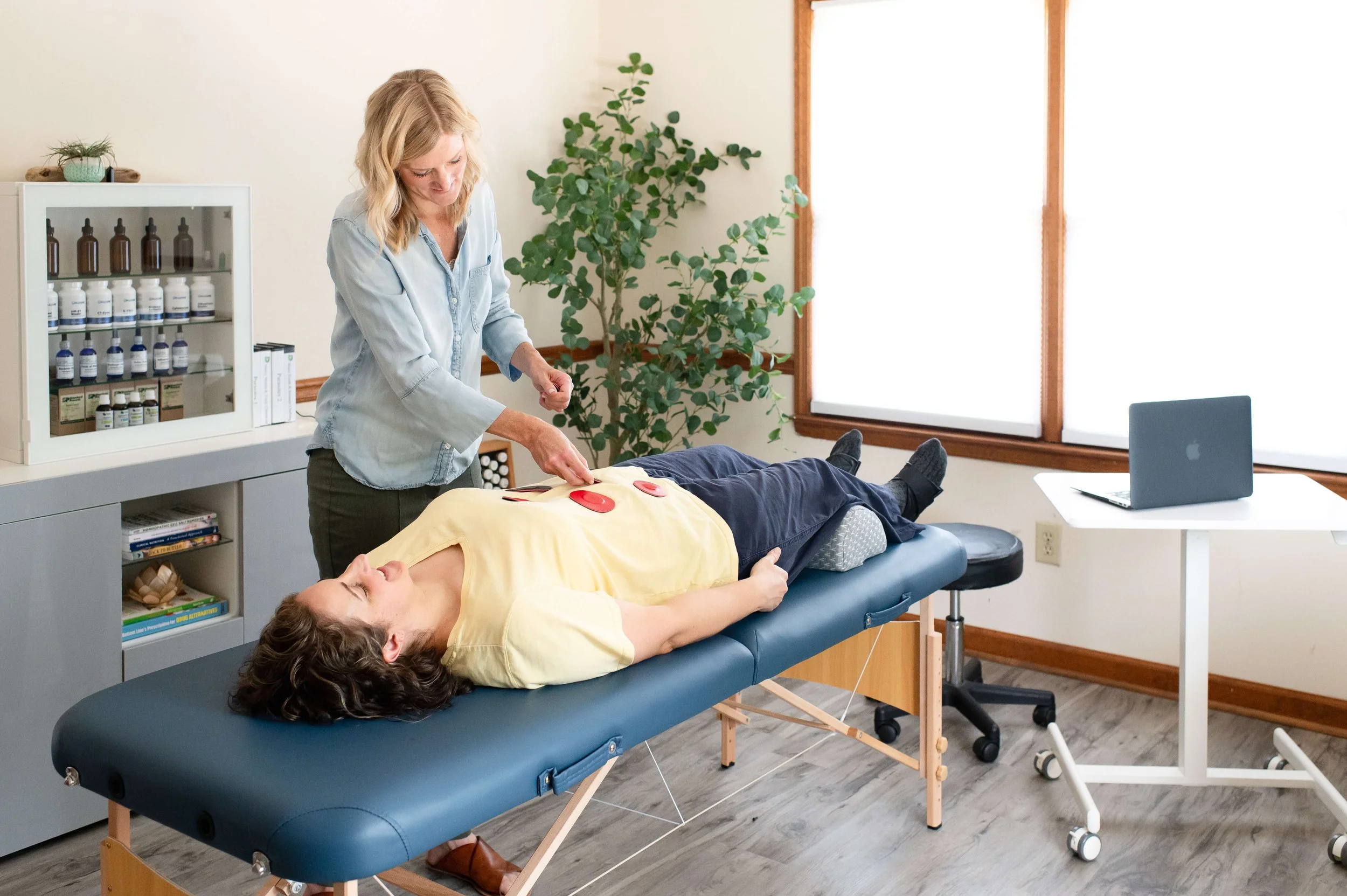
Holistic wellness is a broad approach to wellbeing that considers the different factors influencing how people feel and function in everyday life. Physical activity, nutrition, sleep, emotional health, stress management, relationships, and personal routines can all contribute to overall wellbeing. Rather than concentrating on a single aspect of health, holistic approaches encourage people to look at the connections between different areas of their lifestyle. This can help individuals develop practical habits that support long-term wellbeing while making informed decisions about complementary practices and professional healthcare.
What Is Holistic Wellness?
Holistic wellness views wellbeing as a combination of physical, mental, emotional, and social factors. A person's daily habits can influence several areas at the same time. For example, regular physical activity may support fitness while also providing an opportunity to relax and improve mood.
Similarly, getting enough sleep can contribute to energy, concentration, and emotional balance. Understanding these connections can encourage people to make gradual lifestyle changes rather than focusing on one isolated concern.
Physical Wellness and Healthy Movement
Physical activity is an important component of holistic wellness. Regular movement can support cardiovascular fitness, muscle strength, flexibility, balance, and mobility. It can also help people maintain an active lifestyle as they age.
There are many ways to incorporate movement into a daily routine. Walking, cycling, swimming, yoga, stretching, dancing, and recreational sports can all provide opportunities to stay active. The most suitable activity depends on individual preferences, physical abilities, fitness levels, and health circumstances.
Starting gradually and choosing enjoyable activities can make exercise easier to maintain over time.
Nutrition and Everyday Health
Nutrition provides the body with the nutrients required for normal functioning. A balanced eating pattern can include vegetables, fruits, whole grains, protein-rich foods, and healthy sources of fat.
Rather than relying on restrictive diets, individuals can focus on variety, moderation, and sustainable eating habits. Regular hydration is also an important part of everyday wellness.
People with medical conditions, allergies, or specific nutritional requirements should seek personalised advice from an appropriately qualified healthcare or nutrition professional.
Mental and Emotional Wellness
Mental and emotional wellbeing are important parts of a holistic lifestyle. Everyday responsibilities and stressful situations can affect how people think, feel, and respond to challenges.
Relaxation techniques such as mindfulness, meditation, deep breathing, journaling, and gentle movement may help people create moments of calm. Spending time outdoors, maintaining social relationships, and engaging in enjoyable hobbies can also support a balanced routine.
These practices are useful wellness tools but should not replace professional mental healthcare when someone is experiencing persistent or serious difficulties.
Exploring Complementary Wellness Practices
Some people explore complementary therapies as part of their broader approach to wellbeing. These may include massage, meditation, yoga, reflexology, relaxation practices, and other non-invasive approaches.
Individuals researching biomagnetism west sussex should learn about the practice carefully and consider the quality of evidence behind any health claims. It is important to distinguish between claims made by practitioners and benefits that have been established through reliable scientific research.
Complementary practices should not be used as substitutes for medically necessary diagnosis or treatment. Anyone with an existing health condition or receiving medical treatment should consider discussing complementary therapies with their healthcare professional.
Stress Management and Relaxation
Stress management can play an important role in holistic wellness. While stress is a normal part of life, ongoing pressure can affect sleep, concentration, energy, and daily routines.
Developing healthy coping strategies can help create greater balance. Taking regular breaks, practising breathing exercises, spending time in nature, maintaining supportive relationships, and establishing realistic daily priorities can all be useful.
Some individuals may also explore holistic therapy chichester as part of their relaxation and wellness routine. Before choosing a service, it is useful to understand the approach, practitioner qualifications, expected outcomes, and any relevant safety considerations.
Sleep and Recovery
Quality sleep allows the body and mind to rest and recover. Maintaining consistent sleeping and waking times can support a healthy sleep routine.
A comfortable bedroom, reduced evening screen use, and relaxing activities before bedtime may also encourage better sleep habits. Reading, gentle stretching, or quiet breathing exercises can be incorporated into an evening routine.
Persistent sleep difficulties should not be ignored. When sleep problems continue or interfere with everyday activities, discussing them with a qualified healthcare professional can help identify possible causes.
Building a Personal Wellness Plan
Holistic wellness does not require making dramatic lifestyle changes. Small, realistic improvements can gradually become sustainable habits.
Someone might begin by taking a daily walk, improving hydration, adding more nutritious foods to meals, establishing a regular bedtime, or setting aside a few minutes for relaxation. Once these habits become part of the routine, additional changes can be introduced.
Tracking sleep, activity, energy levels, and stress may help individuals understand their lifestyle patterns. However, wellness goals should remain flexible and should not become a source of unnecessary pressure.
Choosing Professional Wellness Services
Professional support can be useful for individuals interested in exploring complementary wellness approaches. When considering a wellness clinic chichester, people should review the services offered, practitioner qualifications, experience, pricing, and information about potential limitations.
A responsible provider should communicate clearly about what a particular service can and cannot offer. Individuals should be cautious of claims that promise guaranteed results or suggest that complementary therapies can replace conventional medical treatment.
Choosing evidence-informed and appropriately qualified support can help people approach wellness practices responsibly.
Creating a Balanced Lifestyle
Holistic wellness is ultimately about creating balance across different areas of life. Nutrition, movement, sleep, stress management, relationships, relaxation, and personal interests can all contribute to overall wellbeing.
There is no single routine that works for everyone. Personal circumstances, preferences, health needs, and daily responsibilities should be considered when developing a wellness plan. Consistency and realistic expectations are often more sustainable than attempting major changes all at once.
Conclusion
Understanding different approaches to holistic wellness can help individuals think more broadly about their everyday wellbeing. Healthy nutrition, regular movement, quality sleep, emotional support, stress management, and carefully selected complementary practices can all have a place within a balanced lifestyle.
The most responsible approach is to use reliable information, choose realistic habits, and understand the limitations of complementary therapies. When appropriate wellness practices are combined with professional medical care when needed, individuals can create a thoughtful routine that supports their overall quality of life.