Introduction
A flag is more than just a piece of fabric—it’s a powerful symbol of identity, unity, and pride. Whether it represents a nation, an institution, or a cause, the way it is displayed can significantly impact its presence and meaning. At the heart of every prominent flag display is the flag mast pole, a vertical structure specifically designed to elevate and support flags. While often overlooked, the design, quality, and installation of a flag mast pole are critical to ensuring both safety and impact.
This article explores the importance of flag mast poles, their design elements, general specifications, and how to choose the right one for your display needs.
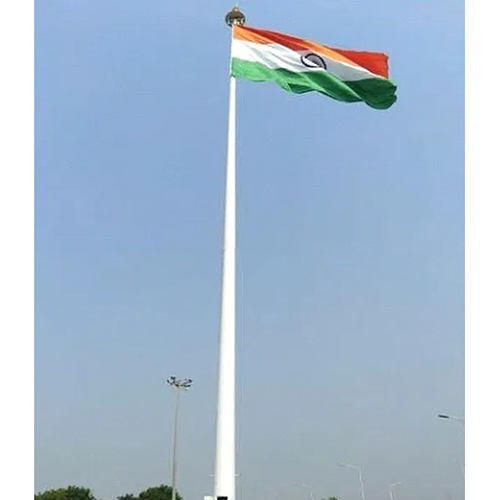
What Is a Flag Mast Pole?
A flag mast pole is a tall, vertical structure used to raise and display a flag. While it might appear as a simple column, it is engineered to withstand various external conditions such as wind, weather, and repeated use. Flag mast poles are found everywhere—from government buildings and educational institutions to commercial plazas and sports arenas.
Unlike standard poles, a mast pole is often taller and more robust, and it may include advanced features like internal halyards (for raising/lowering the flag), rotating arms, or lighting attachments to ensure visibility even at night.
Factors to Consider When Choosing a Flag Mast Pole
Selecting the right flag mast pole is not just a matter of height and design. A number of factors should be considered to ensure it meets your needs:
1. Location & Environment
Consider if the pole will be installed in a coastal area, open ground, or an urban environment. Each setting exposes the pole to different stressors like high winds, salt air, or limited space.
2. Flag Size
The pole height should correspond to the flag size to maintain proper proportions and avoid strain on the pole. Larger flags require sturdier poles and stronger foundations.
3. Wind Zone Compliance
Refer to local wind zone regulations and standards. It's essential that the flag mast pole is engineered for the maximum wind load expected in that region.
4. Maintenance Requirements
Some poles are designed to be maintenance-free, while others might require periodic inspections, especially for moving parts like pulleys and halyards.
5. Installation Setup
Proper installation is vital for safety. Most flag mast poles come with detailed mounting instructions, and it is recommended to work with professionals during setup—especially for larger poles.
Benefits of Using a High-Quality Flag Mast Pole
- Enhanced Visibility: A taller, well-designed pole ensures that the flag is visible from a greater distance, maximizing its impact.
- Safety Assurance: Poles built to high engineering standards reduce the risk of accidents, especially in windy conditions.
- Longevity: A quality pole made with weather-resistant materials will last for years with minimal maintenance.
- Professional Aesthetics: A sleek, tapered pole elevates the entire look of the flag display, making it suitable for prestigious events or institutions.
Conclusion
A flag is a powerful representation of identity and purpose, and the pole it flies from is equally significant. Choosing the right flag mast pole involves understanding key technical factors and design features that align with your specific needs. From durability and height to wind resistance and ease of use, every element contributes to a safe, long-lasting, and visually striking display.
Whether you're planning a one-time event or a permanent installation, investing in a reliable and well-engineered flag mast pole is essential. It’s not just about holding a flag—it’s about making a statement that stands tall, proudly, and safely for years to come.