Welcome to the neon-lit realm of Dark Synthwave, a subgenre of electronic music that beckons listeners into a retro-futuristic dystopia. With its haunting melodies, evocative atmospheres, and cinematic flair, Dark Synthwave transports us to a world where the past meets the future in a haze of analog synthesizers and cybernetic dreams. In this blog post, we embark on a journey to unravel the essence of Dark Synthwave, exploring its origins, defining characteristics, and enduring allure.What is Dark Synthwave?
Dark Synthwave, also known as Darkwave or Synthwave Noir, is a subgenre of electronic music that emerged in the late 2000s as a revival of the soundscape of 1980s synth-driven music. It is characterized by its fusion of retro synthesizer tones, pulsating basslines, and atmospheric textures, often accompanied by themes of dystopia, cybernetics, and existential dread. Dark Synthwave serves as a sonic homage to the sci-fi and horror soundtracks of the past, while simultaneously carving out its own unique identity in the contemporary music landscape.
History:
The roots of Dark Synthwave can be traced back to the electronic music scene of the 1980s, a decade defined by technological innovation and cultural upheaval. It was during this time that synthesizers, drum machines, and other electronic instruments began to dominate the music industry, shaping the soundscape of popular music and film scores alike. Artists such as John Carpenter, Giorgio Moroder, and Tangerine Dream pioneered the use of synthesizers in film soundtracks, creating iconic compositions that would leave a lasting impact on generations to come.
Fast forward to the late 2000s, a period marked by a resurgence of interest in 1980s aesthetics across various artistic mediums. Influenced by the retro-futuristic visions of cyberpunk literature and films like Blade Runner, a new wave of musicians began to explore the sonic landscape of the past, infusing it with modern production techniques and a darker, more atmospheric sensibility. This movement, initially dubbed "Synthwave" or "Retrowave," laid the foundation for what would later evolve into Dark Synthwave.
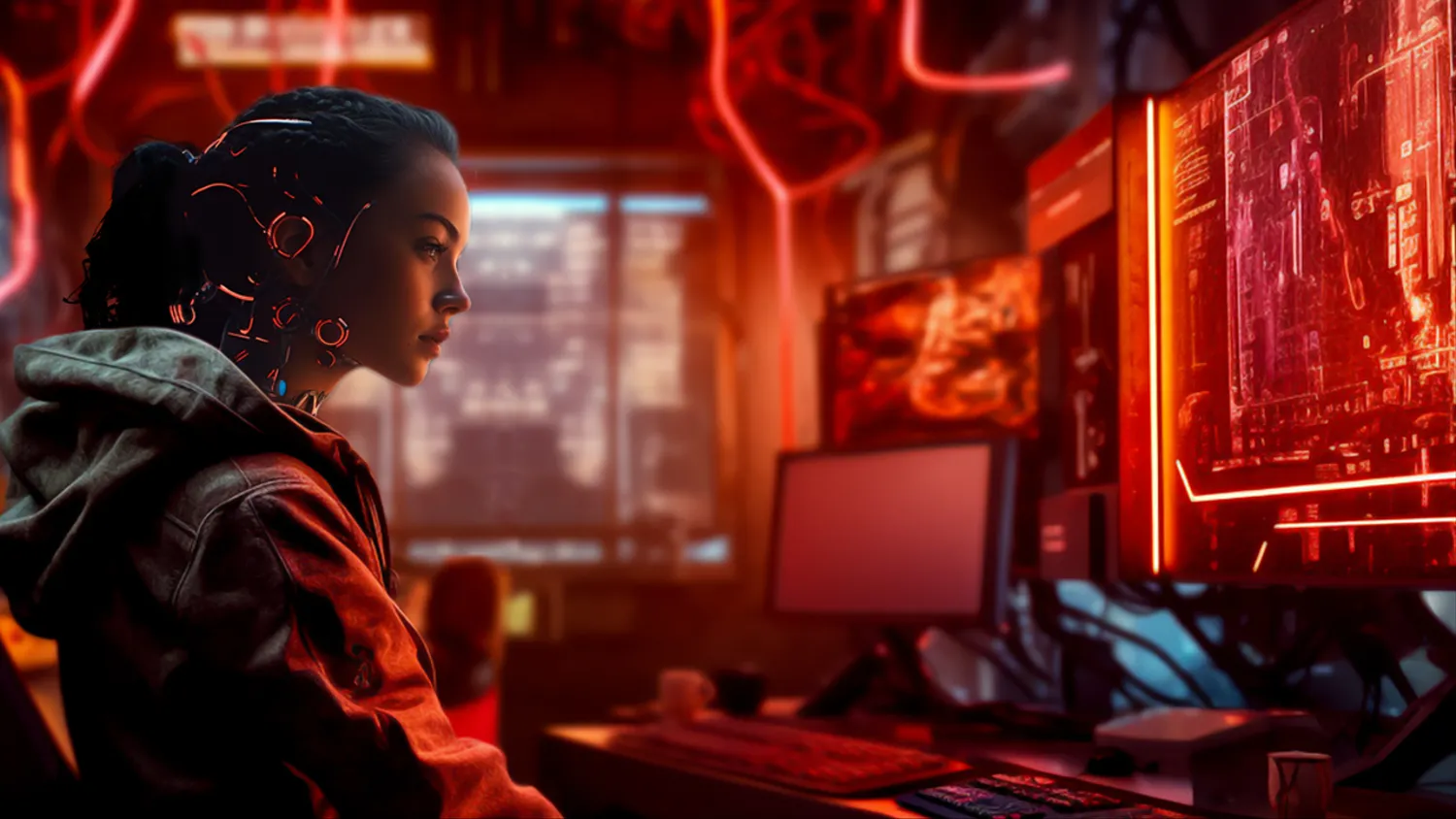
As the Synthwave scene continued to evolve, a subset emerged that embraced a darker, more ominous aesthetic. Drawing inspiration from horror movies, dystopian fiction, and the occult, this darker variant of Synthwave began to coalesce into what we now know as Dark Synthwave. Artists such as Perturbator, Carpenter Brut, and GosT played pivotal roles in shaping the sonic identity of Dark Synthwave, crafting compositions that were equal parts nostalgic homage and futuristic exploration.
Characteristics:
Dark Synthwave is characterized by several key elements that distinguish it from its more upbeat counterparts. These include:
1. Atmosphere: Dark Synthwave is renowned for its immersive atmospheres, which often evoke feelings of unease, isolation, and introspection. Layers of analog synthesizers and atmospheric effects create a dense sonic tapestry that transports listeners to dystopian landscapes and cybernetic nightmares.
2. Melancholic Melodies: The melodies in Dark Synthwave are often melancholic and introspective, imbuing the music with a sense of longing and nostalgia. From haunting arpeggios to melancholic lead lines, these melodies serve as emotional anchors amidst the swirling sonic landscapes.
3. Retro-Futuristic Aesthetics: Dark Synthwave embraces retro-futuristic aesthetics, drawing inspiration from the visual and stylistic tropes of 1980s sci-fi and horror. From neon-drenched cityscapes to cybernetic dystopias, the imagery associated with Dark Synthwave serves as a visual counterpart to the music itself.
4. Cinematic Flair: Dark Synthwave often exhibits a cinematic flair, with compositions that evoke the mood and atmosphere of classic film scores. From epic synth swells to pulsating rhythms, the music of Dark Synthwave unfolds like a soundtrack to an imaginary film, inviting listeners to immerse themselves in its narrative world.
In conclusion, Dark Synthwave stands as a captivating subgenre of electronic music that bridges the gap between past and future, nostalgia and innovation. With its haunting melodies, evocative atmospheres, and cinematic flair, Dark Synthwave invites listeners on a journey through retro-futuristic landscapes and cybernetic dreams. As we delve deeper into the neon-lit realms of Dark Synthwave, we discover a world where the echoes of the past mingle with the possibilities of the future, creating a sonic tapestry that is as captivating as it is enigmatic.