Red light therapy (RLT) has gained significant popularity in recent years, thanks to its impressive range of benefits for both the body and skin. This non-invasive treatment involves exposing the body to low-wavelength red or near-infrared light, typically through LEDs or lasers, which penetrate deep into the skin and tissues. It has been praised for its ability to promote healing, reduce pain, and improve skin appearance, making it a go-to therapy for athletes, skincare enthusiasts, and those with chronic conditions alike. From reducing muscle soreness and accelerating wound healing to enhancing collagen production and fighting signs of aging, red light therapy offers a comprehensive array of therapeutic effects that cater to diverse health and wellness needs. While the science behind RLT continues to unfold, current research supports its effectiveness for a range of conditions, making it an appealing and accessible treatment option for people looking to improve both their physical and aesthetic well-being.
Muscle Recovery and Pain Relief
One of the most well-known benefits of red light therapy is its ability to aid muscle recovery and alleviate pain. Athletes often turn to RLT to help reduce the soreness and inflammation that follow intense physical activity. The light stimulates cellular activity, specifically targeting the mitochondria, which are responsible for energy production within cells. By increasing mitochondrial function, red light therapy promotes faster healing of muscle tissue, reduces inflammation, and enhances circulation. As a result, athletes and active individuals experience quicker recovery times and less muscle stiffness. This therapeutic effect extends beyond sports, offering relief for individuals dealing with chronic pain conditions, such as arthritis, by promoting tissue repair and reducing joint inflammation.
Skin Regeneration and Anti-Aging Effects
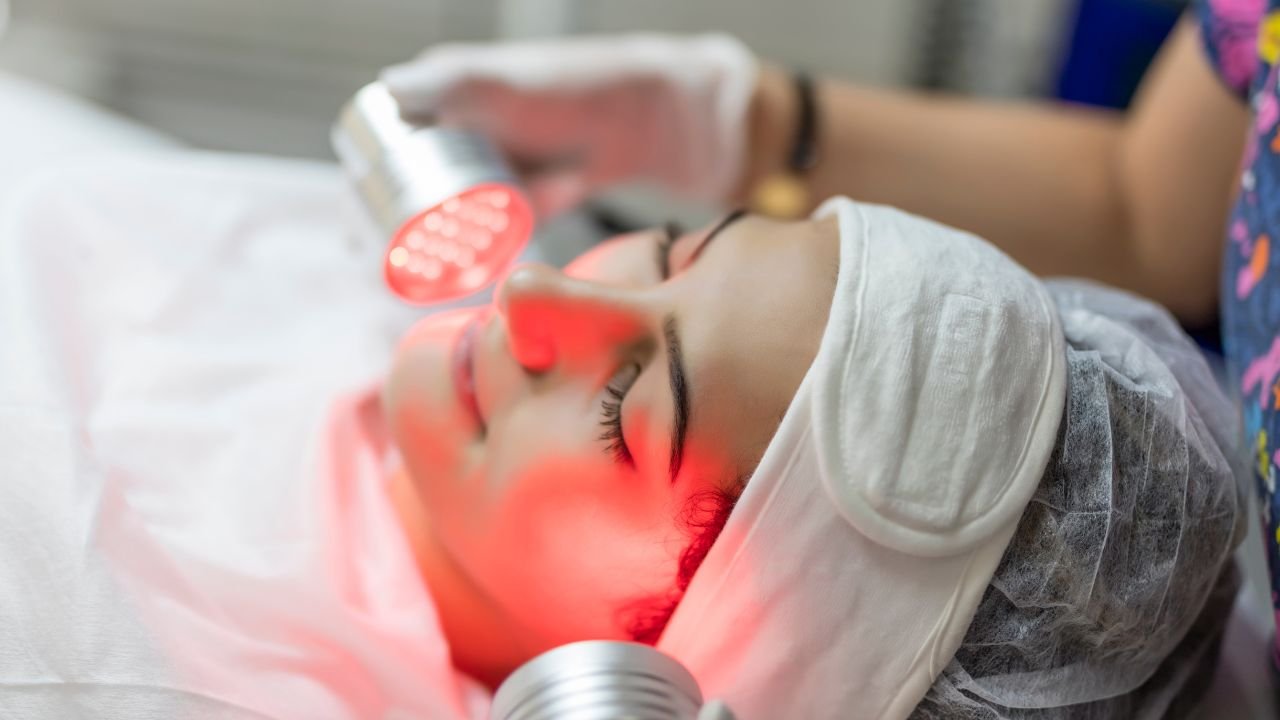
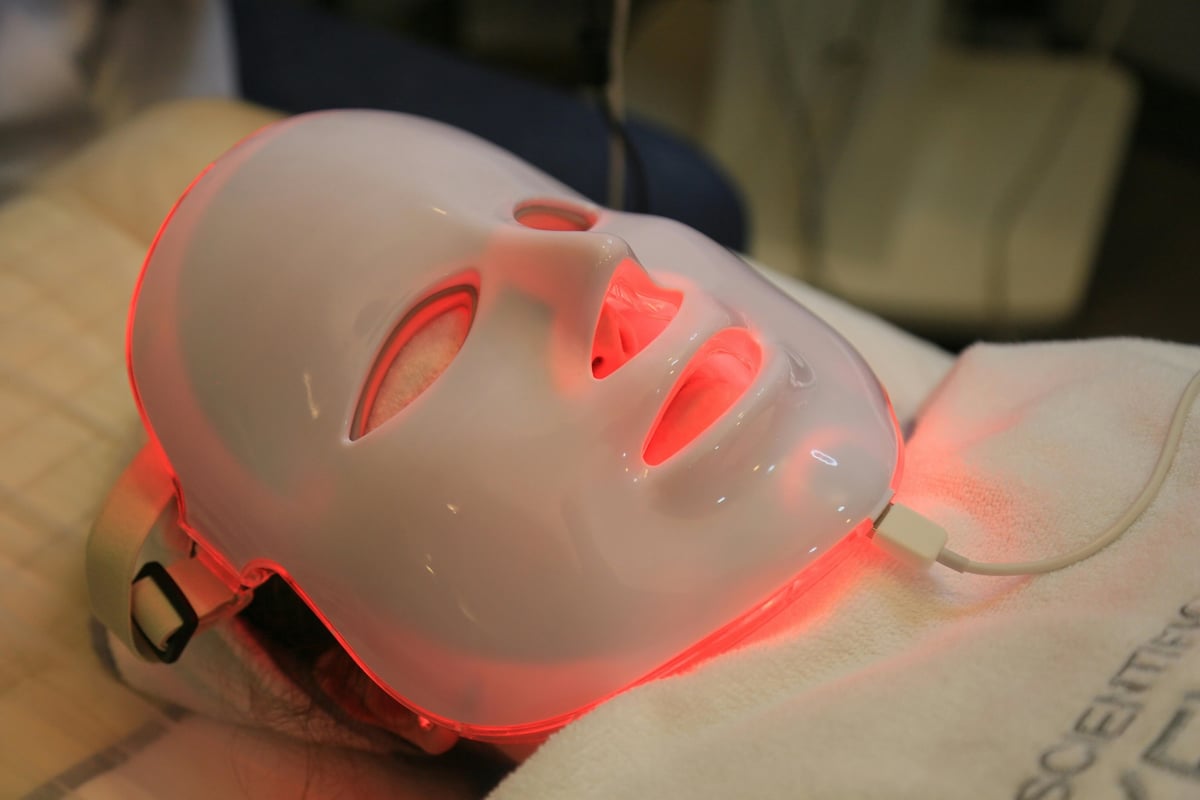
Red light therapy is widely recognized for its ability to rejuvenate the skin. By penetrating the deeper layers of the skin, it stimulates the production of collagen, a key protein responsible for maintaining skin’s elasticity and firmness. Increased collagen production leads to smoother, more youthful-looking skin, reducing the appearance of fine lines and wrinkles. Furthermore, RLT can help to improve skin tone and texture by promoting cell turnover and accelerating the healing of blemishes, scars, and sun damage. It has also been shown to reduce the symptoms of conditions like acne and rosacea, as the light’s anti-inflammatory properties help calm irritated skin and reduce redness. Many people incorporate RLT into their skincare routines for its ability to provide a glowing complexion and diminish the visible signs of aging without the need for invasive procedures. Check out here to know more.
Wound Healing and Tissue Repair
Beyond muscle and skin, red light therapy has been found to enhance the healing of wounds and other tissue injuries. Whether it’s a small cut or a more severe injury, RLT helps to accelerate the body’s natural healing processes. The light stimulates the production of growth factors, which are essential for tissue regeneration, while also increasing blood flow to the affected area, ensuring that nutrients and oxygen reach the site of injury more effectively. This makes RLT particularly useful for individuals recovering from surgery, burns, or injuries such as sprains and strains. In fact, studies have demonstrated that patients undergoing RLT for wound healing experience shorter recovery times and less scarring compared to those who do not use the therapy.
Reducing Inflammation and Promoting Overall Wellness
Chronic inflammation is at the root of many health issues, from autoimmune diseases to inflammatory disorders. Red light therapy offers a promising solution for reducing inflammation, as it has been shown to modulate the body’s inflammatory response. By penetrating deep into tissues, the therapy helps to reduce oxidative stress, a key contributor to chronic inflammation. This makes RLT beneficial not just for musculoskeletal pain, but for conditions like tendonitis, fibromyalgia, and even conditions affecting the nervous system. In addition to inflammation reduction, red light therapy can enhance overall wellness by improving blood circulation, increasing energy levels, and promoting better sleep quality.
The Science Behind Red Light Therapy
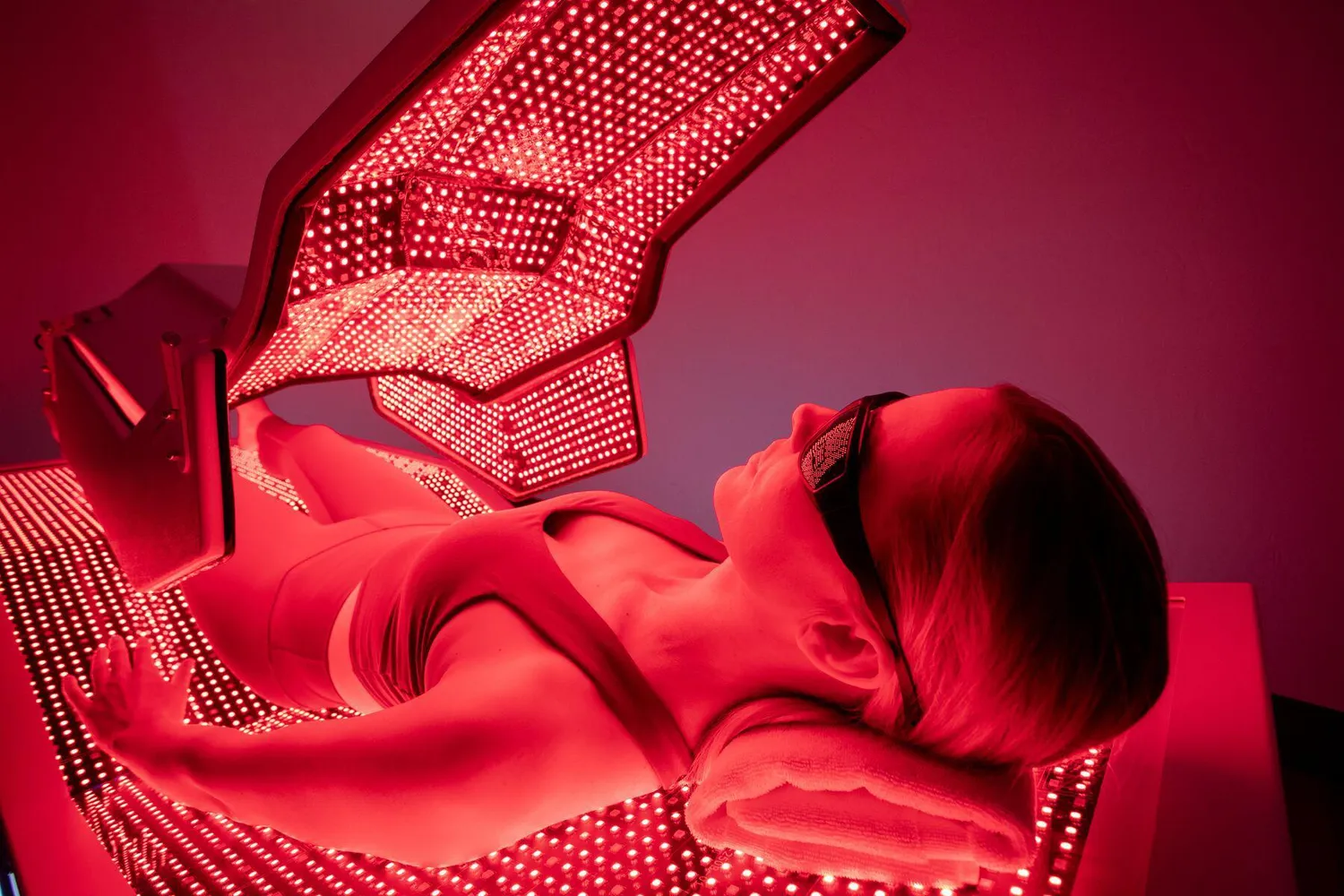
The effectiveness of red light therapy lies in the science of photobiomodulation (PBM), where light energy is absorbed by the body’s cells and used to enhance their function. When exposed to specific wavelengths of light, cells experience a boost in energy production and regenerative processes. The wavelengths commonly used in red light therapy range from 600 to 1,100 nanometers, with red light typically falling between 600 and 650 nm, while near-infrared light spans from 750 to 1,100 nm. These wavelengths are particularly effective because they penetrate deeper into tissues, making them suitable for both superficial skin treatments and deeper muscle and joint issues.
Conclusion
Red light therapy offers a wide range of benefits that extend beyond muscle recovery and skin rejuvenation. Its ability to accelerate healing, reduce pain, and improve overall health makes it a versatile and effective treatment for various conditions. As research continues to explore its potential, red light therapy is likely to become an even more integral part of both professional and home-based wellness routines. Whether you’re looking to speed up muscle recovery, enhance your skincare routine, or promote faster healing of injuries, red light therapy provides a safe, non-invasive solution with impressive results.