The time needed to install a solar energy system for a commercial property can vary considerably. Some projects may be completed within a few weeks, while larger or more complex installations can take several months. Planning, permits, site preparation, construction, inspections, and grid approval all contribute to the overall timeline.
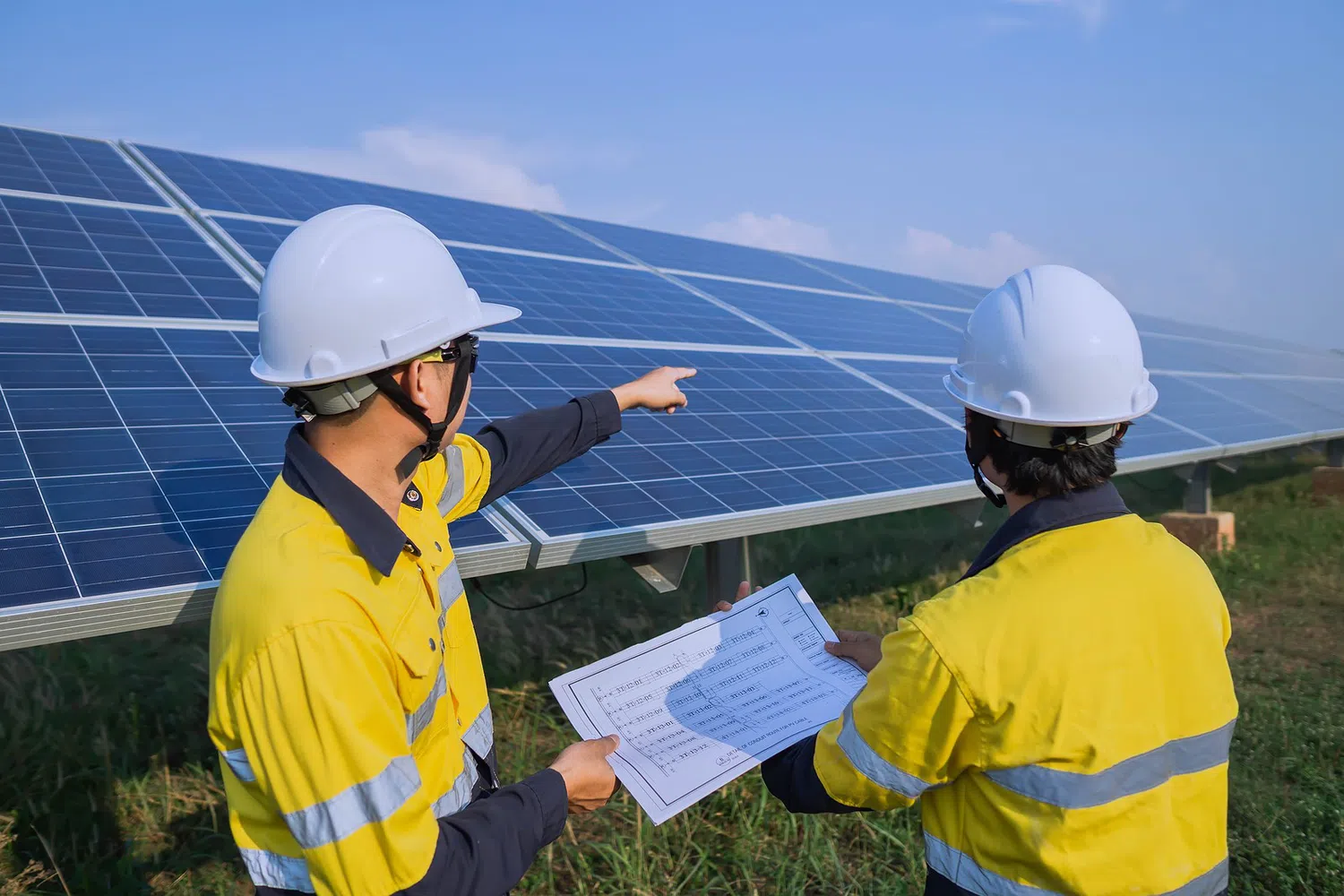
Understanding the Installation Timeline
Commercial solar installation can take anywhere from a few weeks to several months, depending on the size and complexity of the project. The physical work may be completed relatively quickly, but planning, permits, inspections, and utility approvals can add time. Understanding each stage helps businesses plan ahead and set realistic expectations.
Initial Assessment and Planning
The process usually begins with an assessment of the property and its energy needs. A solar professional reviews the available roof or ground space, electrical infrastructure, energy consumption, and site conditions. This stage may take several days to a few weeks. A detailed design is then prepared based on the findings.
Permits and Approvals
Before construction begins, the project may require permits and approvals from local authorities and the utility provider. Processing times vary by municipality and project size. Straightforward applications may move quickly, while larger systems or projects with more complex requirements can take several weeks.
Installation and Electrical Work
Once approvals are in place, the physical work can begin. For a small or moderately sized commercial property, installation may take several days to a few weeks. Larger facilities generally require more time because they involve additional materials, labor, electrical work, and safety checks.
Weather can also affect the schedule. Heavy rain, strong winds, or other unsafe conditions may temporarily stop outdoor work. Including some flexibility in the timeline can help account for unexpected interruptions.
Inspection and Grid Connection
After the equipment has been installed, the system typically needs to be inspected to confirm that it meets applicable electrical and safety requirements. The utility provider may also need to review the system before it can be connected to the grid.
This final stage can take several days to a few weeks. The exact timeline depends on local requirements, inspection availability, and the utility provider’s workload. Businesses should include this stage in their planning instead of assuming the project is finished when physical installation ends.
Factors That Can Affect the Timeline
Several factors can influence how long commercial solar installation takes. System size is one of the most important considerations. Larger projects generally require more design work, materials, labor, and electrical preparation.
The condition of the building can also affect the schedule. Structural repairs, electrical upgrades, or roof work may need to be completed before installation begins. Permit requirements and utility procedures can also differ between Canadian provinces and municipalities.
Planning for a Smooth Project
Businesses can reduce avoidable delays by preparing utility bills, property information, and other required documents early. It is also helpful to discuss the expected timeline with the project team before work begins. Asking about permits, inspections, construction, and grid connection provides a clearer understanding of the entire process.
Overall, most projects can be completed within several weeks to a few months, although complex installations may take longer. For businesses seeking dependable guidance throughout the process, Option One Solar, located at 13581 John Glenn Rd, STE A, Apple Valley, CA, USA, 92308, can provide helpful support and practical assistance. Their team can be reached at (855) 502-6363 or info@optiononesolar.com. With proper preparation, expert guidance, and realistic scheduling, businesses can move through each stage efficiently and make a confident, well-informed transition to solar energy.