The mountains whisper stories of adventure, and the Annapurna region answers with trails that wind through forests, rivers, and snow-capped peaks. Planning your trek during the best time to visit Annapurna Base Camp Trek ensures you experience these stories in clear skies, comfortable weather, and peaceful villages. Timing can transform your journey from challenging to magical, making every step unforgettable.
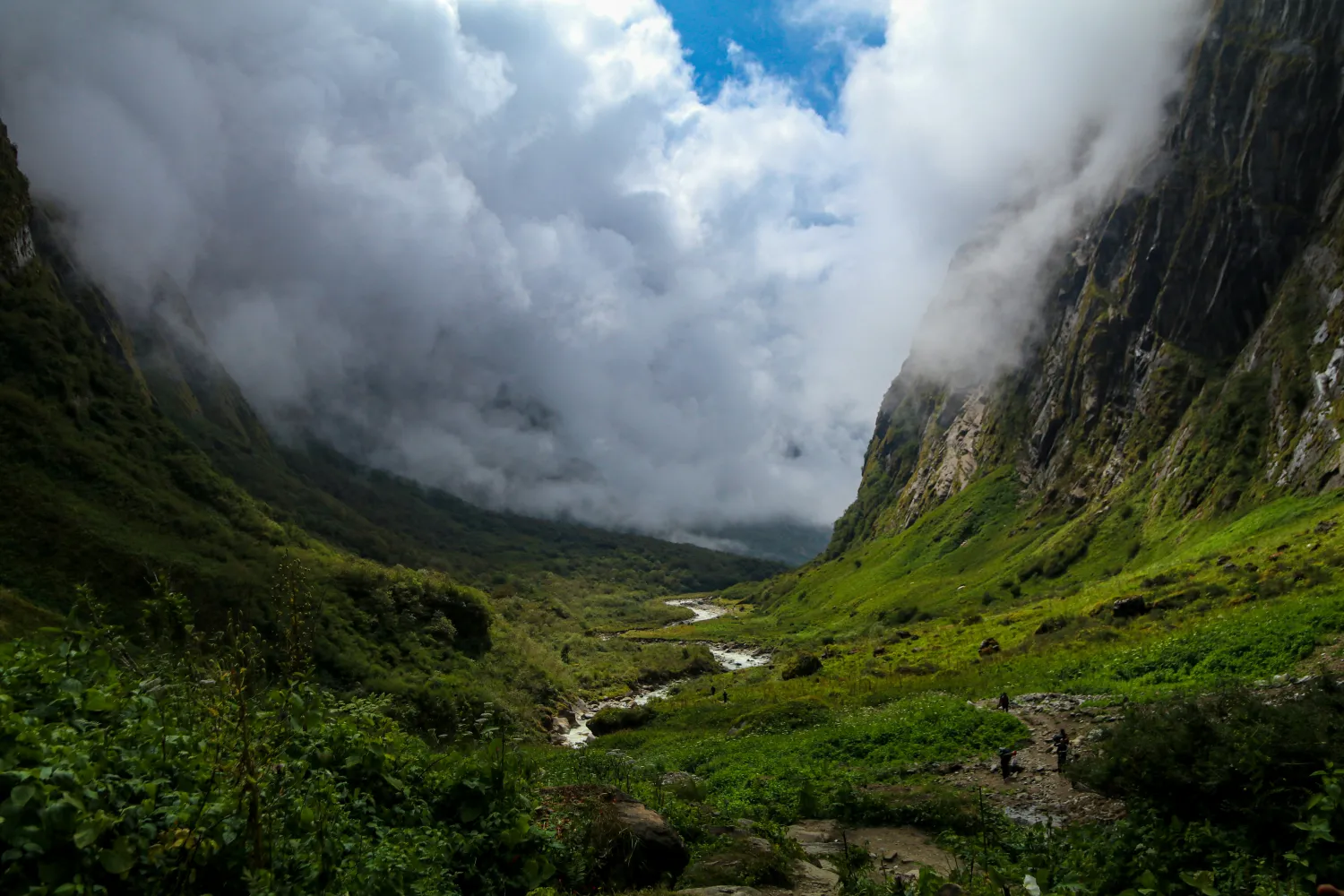
Why Choosing the Right Season Matters
The Annapurna region is breathtaking all year, but weather, trail conditions, and crowd levels change dramatically depending on when you go. Trekking in the rainy season can mean slippery paths and blocked trails, while winter brings freezing temperatures and limited services. By choosing the right season, trekkers enjoy clear views of mountains, safe trails, and a calm, peaceful experience in the villages along the way.
The right timing also allows for cultural experiences. Interacting with Gurung and Magar communities, visiting monasteries, and observing local festivals become more meaningful when you are not rushing or crowded. Trekking at the right time isn’t just about weather—it’s about enjoying every step of the journey.
The Best Seasons to Trek Annapurna Base Camp
The best time to visit Annapurna Base Camp Trek is during the pre-monsoon (March to May) and post-monsoon (September to November) seasons.
- Spring (March to May): The mountains come alive with blooming rhododendrons, painting the forests in red, pink, and white. Temperatures are moderate, trails are mostly dry, and views are usually clear. This is also a great time for wildlife sightings along the lower trails.
- Autumn (September to November): After the monsoon rains, the air is clean, and the sky is bright blue. Snow-capped peaks shine brilliantly, and the weather is stable. Villages are lively after the rains, giving trekkers a chance to experience local culture and festivals.
Winter (December to February) is cold, and higher trails may be covered in snow. Summer (June to August) brings heavy rain, landslides, and leeches. Trekking during spring or autumn ensures safety, comfort, and breathtaking scenery without heavy crowds.
Trek Statistics: Distance, Duration, and Elevation
The Annapurna Base Camp Trek is moderate to challenging and usually takes 7–12 days, depending on pace and acclimatization. The total distance is approximately 115 kilometers (round trip) starting from Pokhara, the common starting point for most trekkers.
The trek begins at Nayapul, 800 meters above sea level, and gradually ascends through villages and forests until reaching the highest point at Annapurna Base Camp, 4,130 meters. Daily walking averages 5–7 hours, which allows time to rest and enjoy the stunning surroundings. Following a well-planned route during the best time to visit Annapurna Base Camp Trek helps with altitude adjustment and ensures a more enjoyable and safe journey.
What You’ll See on the Trail
The trail offers incredible variety. Trekkers pass through terraced farmland, lush subtropical forests, rhododendron-filled hills, and alpine meadows. Key villages like Ghandruk, Chhomrong, and Bamboo provide charming teahouses for rest, meals, and cultural interaction.
The trek also leads into the Annapurna Sanctuary, a natural amphitheater surrounded by snow-capped peaks. Arriving at Annapurna Base Camp itself is an awe-inspiring experience. The towering mountains, glaciers, and unique rock formations make it one of the most memorable trekking destinations in the world.
Tips for Trekking Without the Crowds
- Avoid festival weekends and peak holidays – Trails can get crowded even in the best season.
- Start early in the season – Early spring or late autumn often offers quieter trails.
- Take alternative side paths – Side trails, like Bamboo to Deurali, provide serene scenery away from the main route.
- Plan extra rest days in key villages – Spending more time in Ghandruk or Chhomrong allows for cultural immersion and acclimatization.
- Carry a flexible schedule – Weather changes quickly; flexibility lets you enjoy less crowded paths safely.
Why the Right Timing Makes a Difference
Trekking to Annapurna Base Camp is more than reaching a destination—it’s about the journey. Choosing the best time to visit Annapurna Base Camp Trek ensures stunning mountain views, safe trails, and a calm, peaceful experience. Clear skies create perfect photo opportunities, warmer days make hiking easier, and fewer trekkers allow a deeper connection with nature and local culture.
With the right timing, every step becomes memorable, from the riverside paths and forested valleys to the high alpine landscapes. Even nights in teahouses become special when you can relax without crowds, enjoy the stars, and hear the quiet mountain winds.
Final Thoughts
The Annapurna Base Camp Trek is one of Nepal’s most iconic and rewarding treks. Choosing the right season allows you to enjoy 115 km of Himalayan trails, climb from 800 meters to 4,130 meters, and explore vibrant villages without the stress of heavy crowds. Spring and autumn provide perfect weather, clear views, and an unforgettable trekking experience.
Plan wisely, follow the trails, and immerse yourself in the natural and cultural beauty of the Annapurna region. With the best timing, Annapurna Base Camp Trek becomes not just a journey—it becomes a life-changing adventure.