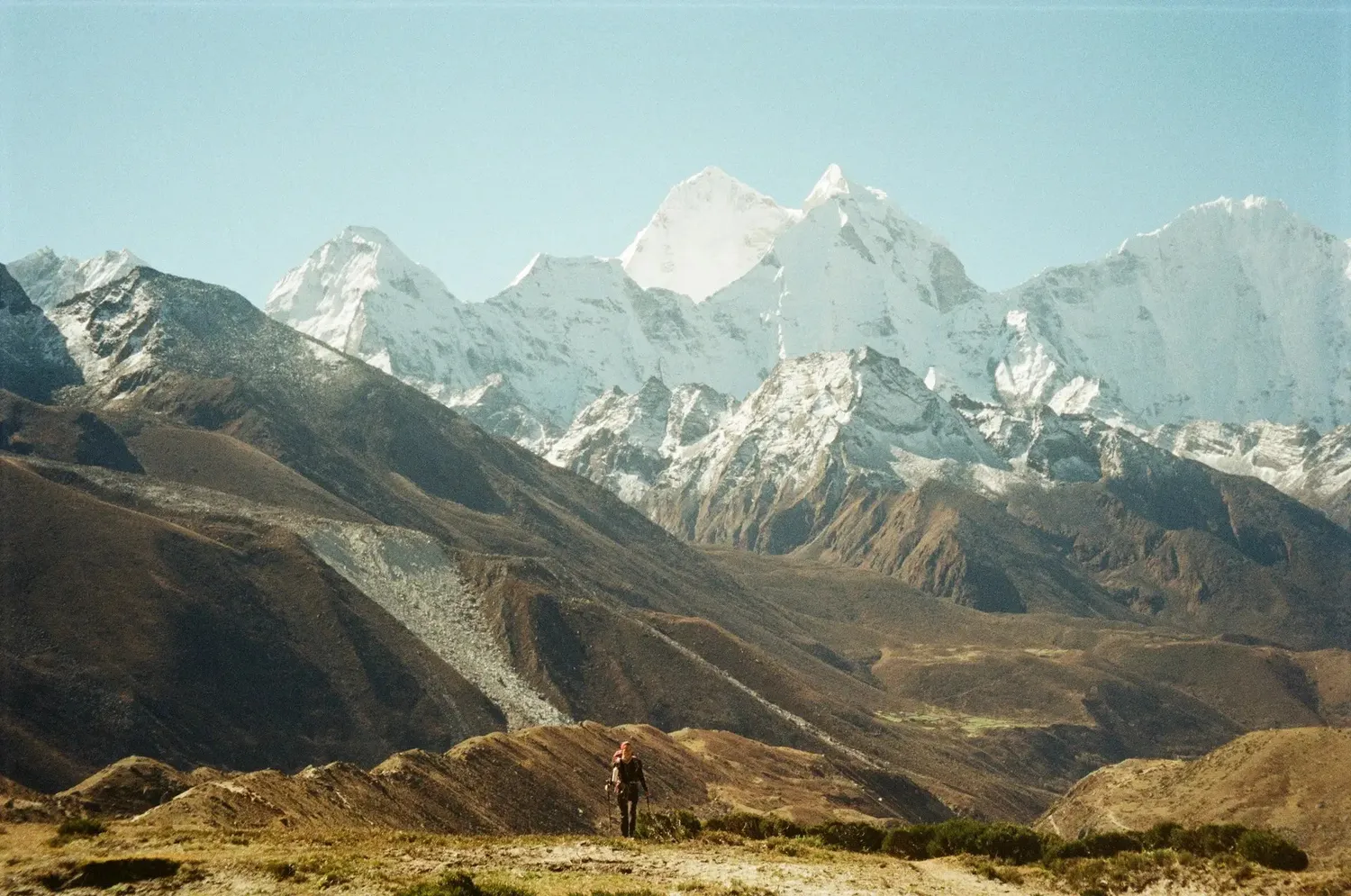
The silence of the high Himalayas feels louder than any city noise, especially on the everest three high pass trek, where every step alone becomes a story of strength and discovery. This is not an easy walk. It is one of Nepal’s toughest and most beautiful trekking routes. A solo journey here means facing big mountains, cold winds, and long trails without a group. But it also means freedom, peace, and a deep connection with nature. With the support of Best Trek Adventure and its reliable travel services, even solo trekkers can plan a safer and more organized adventure in the Everest region.
What Is the Three High Passes Trek?
The Three High Passes Trek is a famous route in the Everest region of Nepal. It crosses three high mountain passes: Kongma La, Cho La, and Renjo La. These passes connect different valleys around Mount Everest and offer some of the best mountain views in the world.
This trek is more difficult than the normal Everest Base Camp Trek. It is longer, higher, and more remote. Many trekkers choose to do it with a guide or group. But some brave travelers try it solo for a more personal adventure.
Trekking Statistics You Should Know
Before starting this journey, it is important to understand the basic numbers:
- Average duration: 18 to 22 days
- Total distance: Around 160 to 170 kilometers
- Maximum elevation: 5,555 meters at Kala Patthar
- High passes: Kongma La (5,535m), Cho La (5,420m), Renjo La (5,360m)
These numbers show that this trek is not simple. The altitude is very high, and the weather can change quickly. Proper planning is very important, especially for solo trekkers.
Why Do People Choose Solo Trekking?
Solo trekking means walking alone without a group or partner. Many people choose it for personal reasons. Some want peace. Some want freedom. Others want to test their strength.
On the Three High Passes Trek, solo trekkers enjoy:
- Full freedom to move at their own pace
- Quiet moments in nature
- Strong personal challenge
- Deep connection with the mountains
But solo trekking also means full responsibility. There is no one to help instantly if something goes wrong.
Major Challenges of Solo Trekking
The Three High Passes Trek is already difficult. Doing it alone makes it even harder.
Some major challenges include:
1. High Altitude Risk
The air becomes thin above 4,000 meters. Many trekkers face altitude sickness. Symptoms include headache, dizziness, and tiredness.
2. Tough Weather Conditions
Snow, wind, and cold temperatures are common, especially at high passes. Weather can change very fast.
3. Long and Remote Trails
Some parts of the trek are far from villages. If you are alone, it can feel isolated.
4. Navigation Difficulties
Trails can be confusing, especially in snow or fog. Missing the path is possible.
5. Physical Exhaustion
Daily walking for many hours at high altitude is very tiring, especially without support.
Rewards of Solo Trekking
Even with challenges, solo trekking brings amazing rewards.
Freedom and Peace
You can walk at your own speed. You can stop whenever you want. The silence of the mountains gives deep peace.
Incredible Views
You see Mount Everest, Lhotse, Ama Dablam, and many other peaks. The views from high passes are unforgettable.
Personal Growth
Every step builds confidence. You learn patience, strength, and self-control.
True Adventure Feeling
There is no distraction. It is just you and the Himalayas.
Role of Best Trek Adventure
Best Trek Adventure helps solo trekkers prepare for this challenging journey. The company provides important travel services such as trekking permits, route planning, guide options, accommodation booking, and emergency support.
Even if someone wants to trek solo, Best Trek Adventure can help with safe planning. They also offer experienced guides for those who later decide they need support during difficult sections. Their local knowledge of the Everest region helps travelers make safer decisions.
With proper guidance and planning from Best Trek Adventure, solo trekkers can reduce risks and enjoy a smoother journey in the Himalayas.
Daily Life on the Trek
A typical day on the Three High Passes Trek starts early. Trekkers wake up before sunrise and begin walking after breakfast. The trail goes up and down through valleys, rivers, and rocky paths.
Lunch is usually in small tea houses along the route. These are simple places where trekkers can rest and eat warm food like noodles, rice, and soup.
Evenings are calm. Trekkers stay in mountain lodges, drink tea, and rest early for the next day. At night, the sky is full of stars, and the silence is deep.
Best Time for the Trek
The best seasons for the Three High Passes Trek are:
- Spring (March to May)
- Autumn (September to November)
During these months, the weather is clearer, and mountain views are better. Winter is very cold, and monsoon season brings rain and clouds.
Safety Tips for Solo Trekkers
Safety is very important for solo trekking. Here are some simple tips:
- Walk slowly to avoid altitude sickness
- Drink plenty of water
- Do not skip rest days
- Carry a map or GPS
- Inform someone about your route
- Be ready to change plans if weather is bad
Even experienced trekkers respect the Himalayas. Careful planning is always needed.
Final Thoughts
The Three High Passes Solo Trek in Nepal is one of the most powerful adventures in the world. It is hard, high, and sometimes lonely. But it is also beautiful, peaceful, and life-changing.
The everest three high pass trek gives you more than just mountain views. It gives you strength, confidence, and memories that stay forever. With proper preparation and the trusted support of Best Trek Adventure and its services, solo trekkers can turn this challenging journey into