For more than twenty years, the Dynasty Warriors franchise has given us epic battlefields filled with heroic moments, mixing real history with crazy, over-the-top swordplay. Dynasty Warriors: Origins arrives as a significant reset—not through great, sweeping changes, but by polishing the familiar and knitting in real strategy.
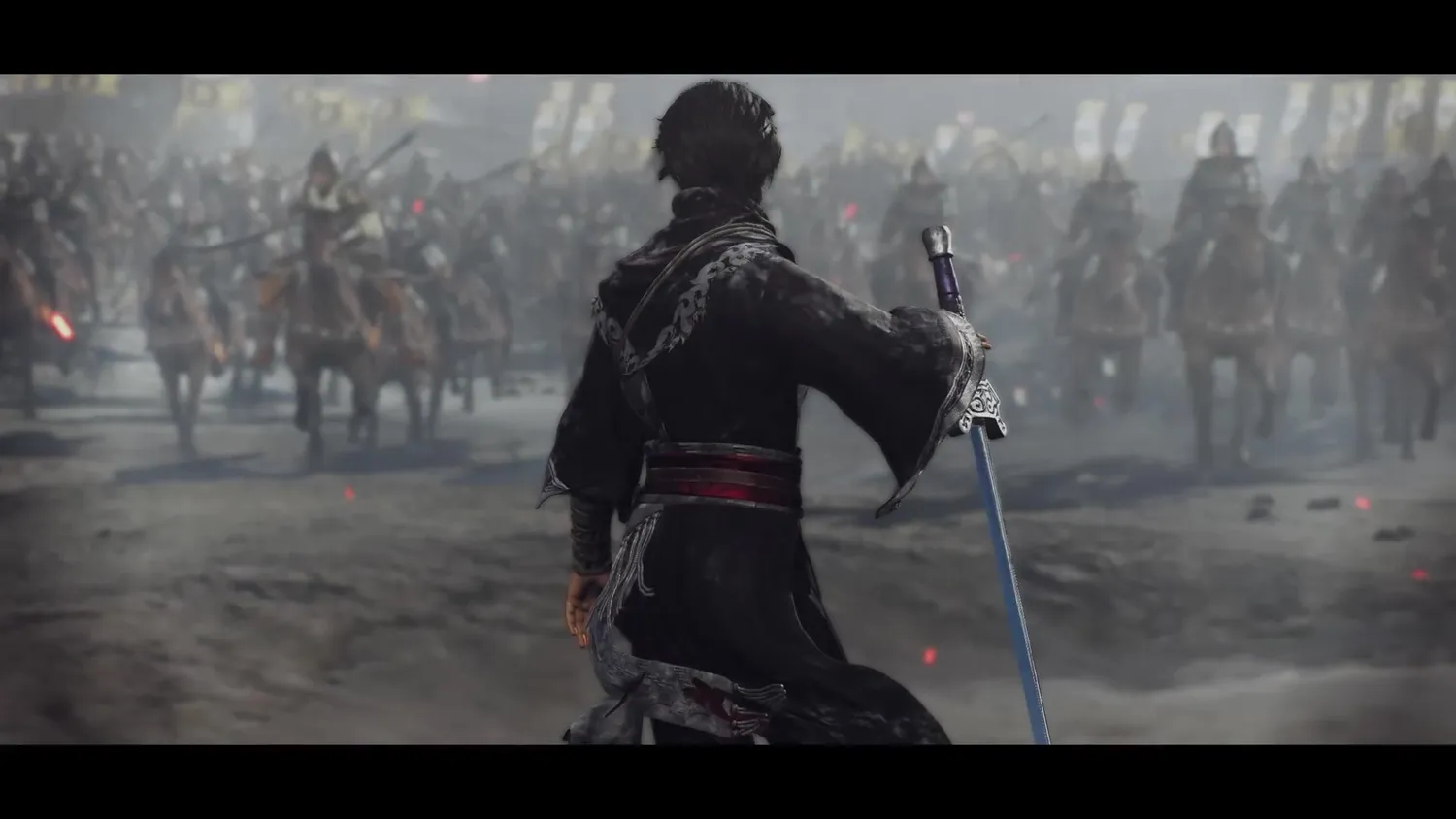
Right from the start, Origins whispers a straightforward, weighty question: Who deserves the Mandate of Heaven, and what is the price? Some story beats do feel a bit undercooked, but the laser focus on military strategy, sleek design, and blockbuster-style fighting lifts it to the top of the series.
Our Favorite Faces Take Center Stage
Let’s keep it real: the reason most of us keep coming back to Dynasty Warriors is the powerhouse generals. Cao Cao’s devious brilliance, Lu Bu’s godlike strength, Sun Ce’s raging ambition—these are the giants we cheer for. Origins smartly puts them back in the spotlight and gives them plenty of room to shine.
The game might tease some serious moral stuff, but the main thing it knows is that players want to step into the shoes of living legends.
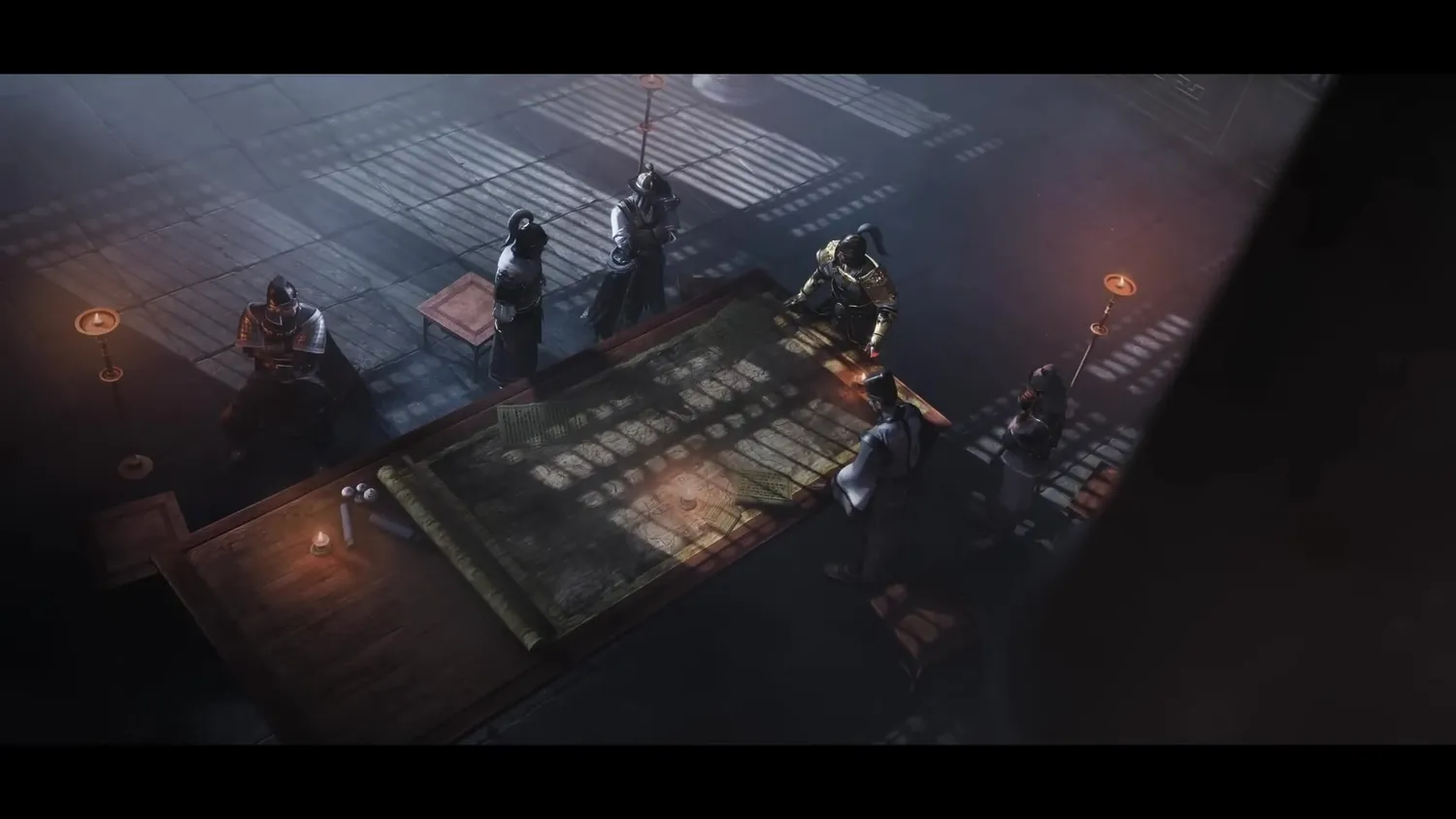
Take the standout Siege of Chibi. When you pick Cao Cao, you’re not just swinging a sword; you’re the mastermind of a whole invasion. You can shuffle troops, lay sneaky traps, and even mess with the weather to make the enemy choke on a storm. Switch to Lu Bu in Xiapi, and the whole field becomes your playground; one grunt might flatten an army just because he’s Lu Bu. Moments like these are why these heroes won’t ever be forgotten—they’re tougher than the mountains and smarter than the rivers.
That said, Dynasty Warriors: Origins does make an effort to slip a bit of humanity under the glittering armor. Cutscenes let you see Cao Cao pull the cold, logical strings while Liu Bei dreams of a kinder kingdom. It’s not going to win a literary prize, but it’s enough to make you care which flag you ride under.
Tactics Run Deeper Than 1-2-3 Combos
Where Origins really flexes is on the chessboard of the battlefield. Older games called themselves tactical, but mostly let you mindlessly hammer fists. Here, the map is a living thing, and your orders make it breathe.
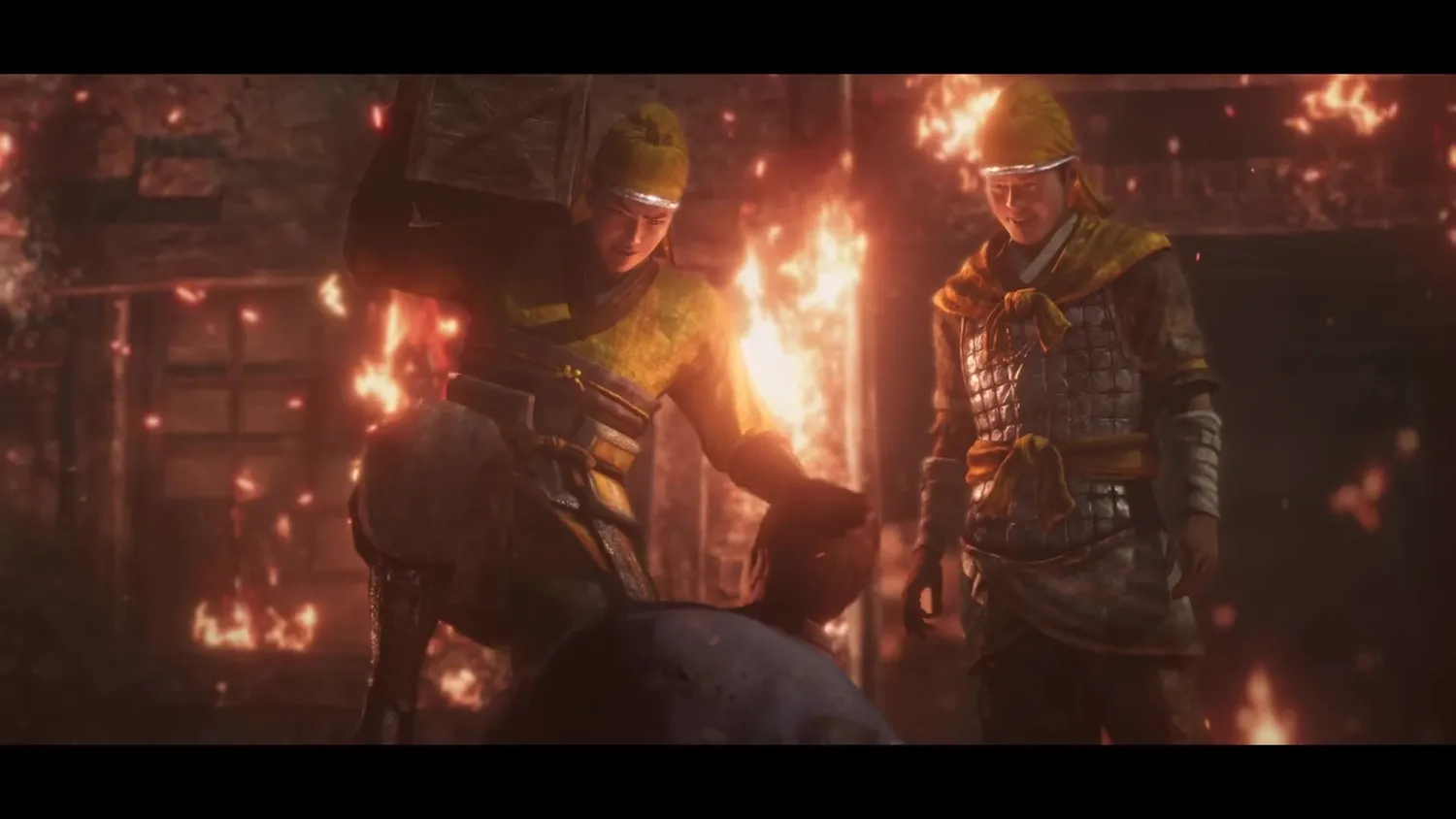
Take the Yellow Turban Rebellion. I found myself zooming in, shuffling battalions like a kid with toy soldiers.
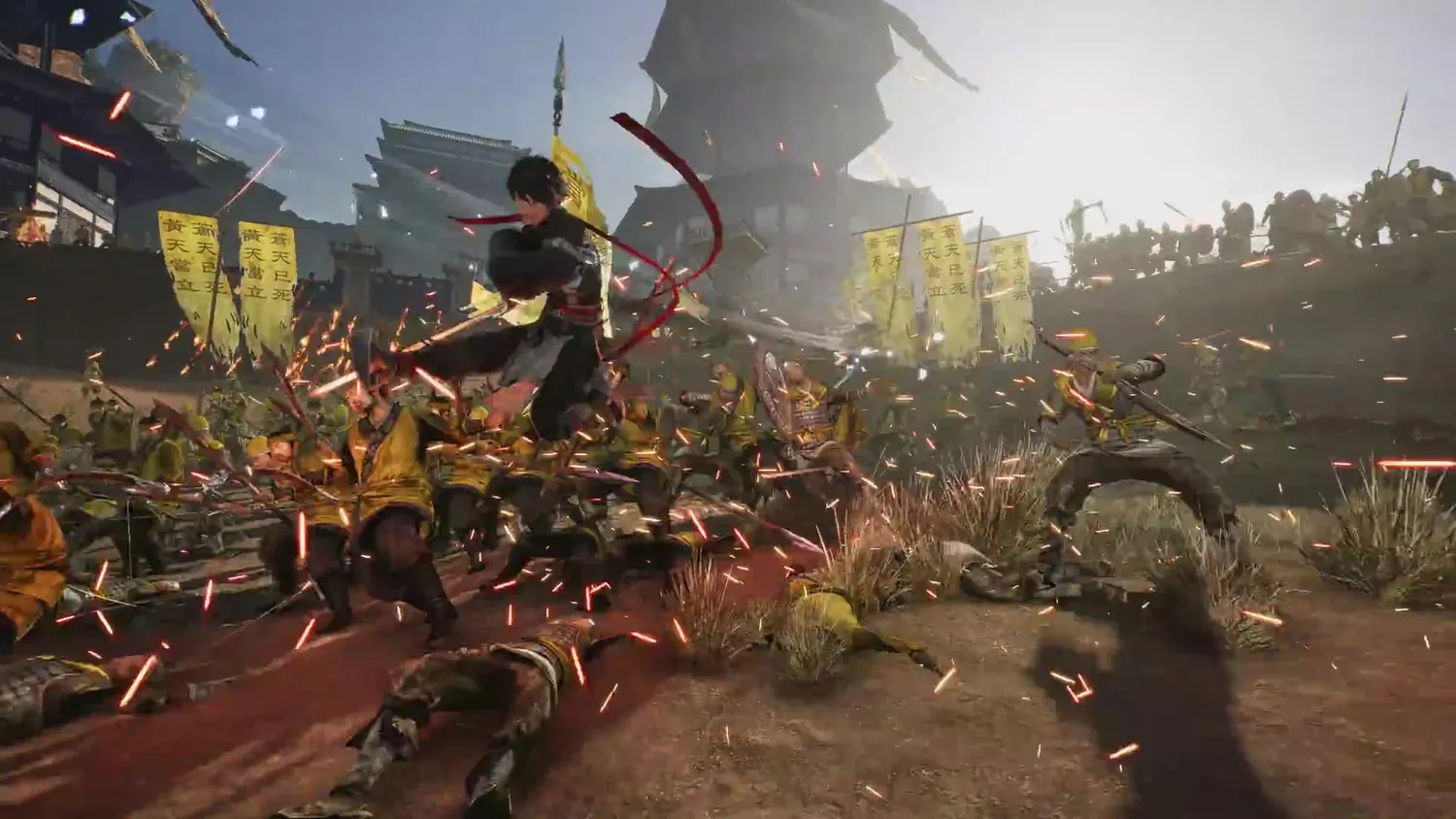
Sending archers to hold a ridge, telling the cavalry to circle around the fresh enemy reinforcements, and timing my push with the rest of the troops—those moves aren’t just fancy tricks; they’re the glue that holds the win together. The new "Morale Chain" mechanic lets you string victories together so your units get a little pedal-to-the-metal boost. The best part? Slip-ups don’t land a punishment that crushes your momentum.
The biggest win, though? Your AI buddies can actually fight. In the older games, they felt more like cardboard cutouts waving flags. Here, if your own flanks holler for help and you sit on your hands, you’re the one getting surrounded. Watching one of my favorite generals, Guan Yu, lock down a narrow bridge while I pushed the middle—yeah, that got a loud "let’s go" out of me. Origins actually makes you feel like a cog in a giant engine of war, not just a solo superhuman.
Thematic Weight: Who Deserves the Crown?
Sure, the grand narrative of shifting warlords is nothing we haven’t chewed on before—light plot, even lighter subtext. Still, the game quietly keeps spinning a tougher question: What turns a leader into a just ruler?
It’s not a quiz with a straight A or an F. Ride with Liu Bei, and you wear the hero’s armor for the common folks. Switch channels to Cao Cao and you start to nod at his brutal, if practical, playbook.
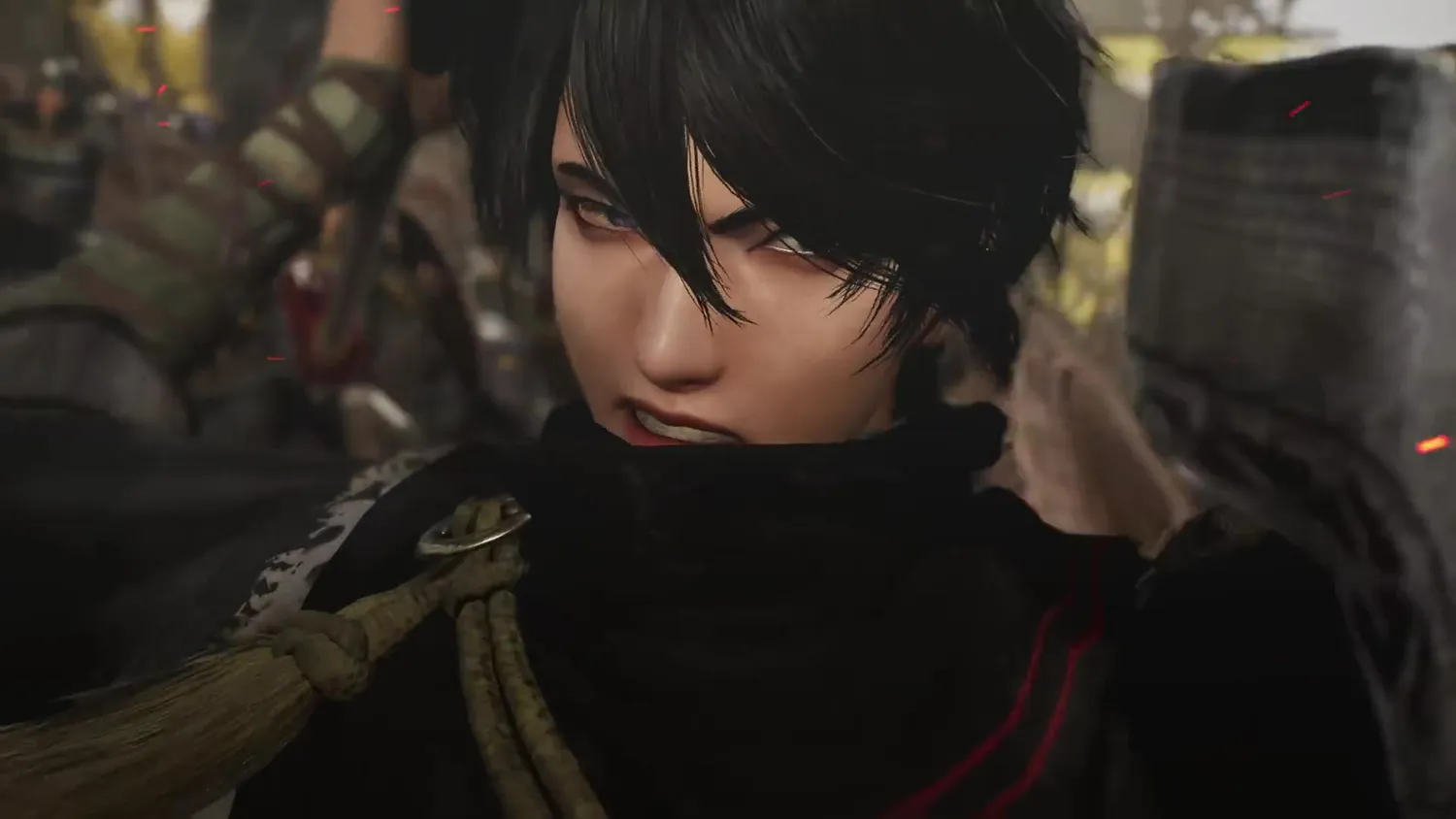
Even Dong Zhuo, usually a one-note bad guy, has a couple of scenes where you see how his twisted, brutal logic actually works. Before every big push, you get stuck with a moral fork in the road: do you chase order no matter the cost, or cling to the ideal even if it shreds the peace?
It's a pity the game doesn’t dig deeper. Imagine a branching story where every choice you make flips faction friendships or the course of a battle.
Technical Triumph: Silky Smooth Warfare
One of Origins’ top tricks is how buttery smooth it runs. After the glitch-ridden launch of Dynasty Warriors 9—when the frame rate kept dipping and the big open world felt empty—Origins feels like a breath of fresh air.
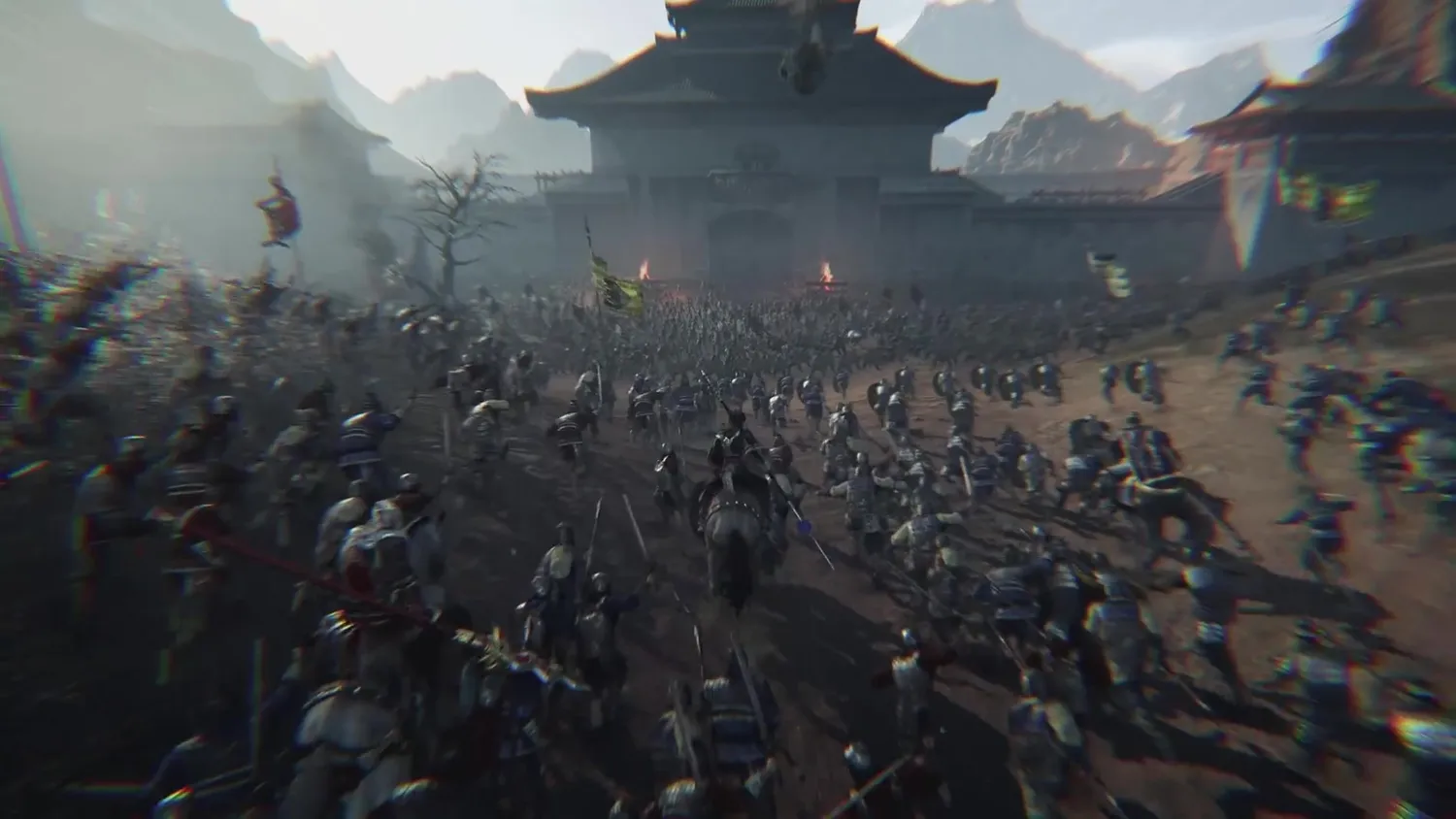
On a regular PS5, assuming you buy PS5 games, the game locks at a steady 60 FPS, even when hundreds of soldiers, flames, and flying debris are crowding the screen. The “Human Wave” system, where whole squadrons act like one giant slug with a single health bar, should have ground the frame rate to dust, but it just keeps cruising.
Charging through a wave of spearmen as Zhao Yun and scattering them like autumn leaves never gets old, and I’ve got to hand it to Omega Force: the game never hiccups during those big moments, and that shows real polish.
Load times are almost invisible now, and the game looks better than any past title. You can see sunlight catching on breastplates, watch fire crawl across the grass during sieges, and it all stays smooth. That’s pure eye candy without performance trading.
Visceral, Cinematic Combat
Dynasty Warriors has always been about living the power trip, and Origins hands it to you by the bucket—only now, it’s dressed up in cinematic flair that carries the moment.
The sound gets a gold star, no contest. Swords clatter, arrows storm, war cries boom, and it all closes in on you to crank up the battle noise. Trigger a Musou, and the camera suddenly shifts to frame the wreckage—whether it’s Lu Bu’s hammer drop that shakes the earth or Zhou Tai’s blinding blade flash, you feel the wreckage in your bones.
Layer of fun: small sub-objectives. One fight asked me to rush a wagon depot, cutting their supplies and shaking the enemy's resolve. I coordinated the attack, then pocketed the cheers—and the battlefield changed tone, the enemy suddenly less sure of themselves.
Then came the charge—a wild rush through the enemy host, arrows buzzing like angry bees, the ground shaking under hooves, and finally the head-on fight with the enemy captain atop the burning tower. Moments like these aren’t just entertaining; they feel grand, like the fake-red-sun fire-fights in Red Cliff.
Final Word: The Best Dynasty Warriors Yet
Dynasty Warriors: Origins isn’t flawless. The story is okay, the same musical chairs of the Han, and the game doesn’t bother with real, weighty choices that stick with your army. That stings a bit. But when it snaps into snappy tactics, when the frame-rate stays silky, and when the heavy whuump of a halberd into a captain’s face makes your palms sweat, it does everything right.
This is the Dynasty Warriors that carries the bone-sword of the past and runs straight into the fire. Whether you’ve marched with it since the first PS2 or you just heard the drums last week, Origins is the clear, burning flag on the musou hill.
Now, if you’ll excuse me, I have a duel with Lu Bu waiting at Hulao Gate. I’m curious if he still makes the ground taste angry.