Customer Relationship Management (CRM) systems have become indispensable tools for managing customer interactions and fostering long-term relationships in enterprise organizations. However, implementing a CRM system successfully within a large-scale enterprise environment requires careful planning, strategic execution, and diligent adherence to best practices. In this comprehensive guide, we delve into the key strategies and practices essential for ensuring the seamless integration and optimal utilization of CRM systems in enterprise settings.
Introduction
Implementing a CRM system is not merely a technological upgrade; it's a strategic initiative aimed at enhancing customer engagement, improving operational efficiency, and driving business growth. In the realm of enterprise organizations, where complexity and scale are inherent, the stakes of CRM implementation are significantly higher. A well-executed CRM implementation can yield substantial returns, including enhanced customer satisfaction, increased revenue, and competitive advantage. Conversely, a poorly executed implementation can result in wasted resources, frustrated employees, and missed opportunities.
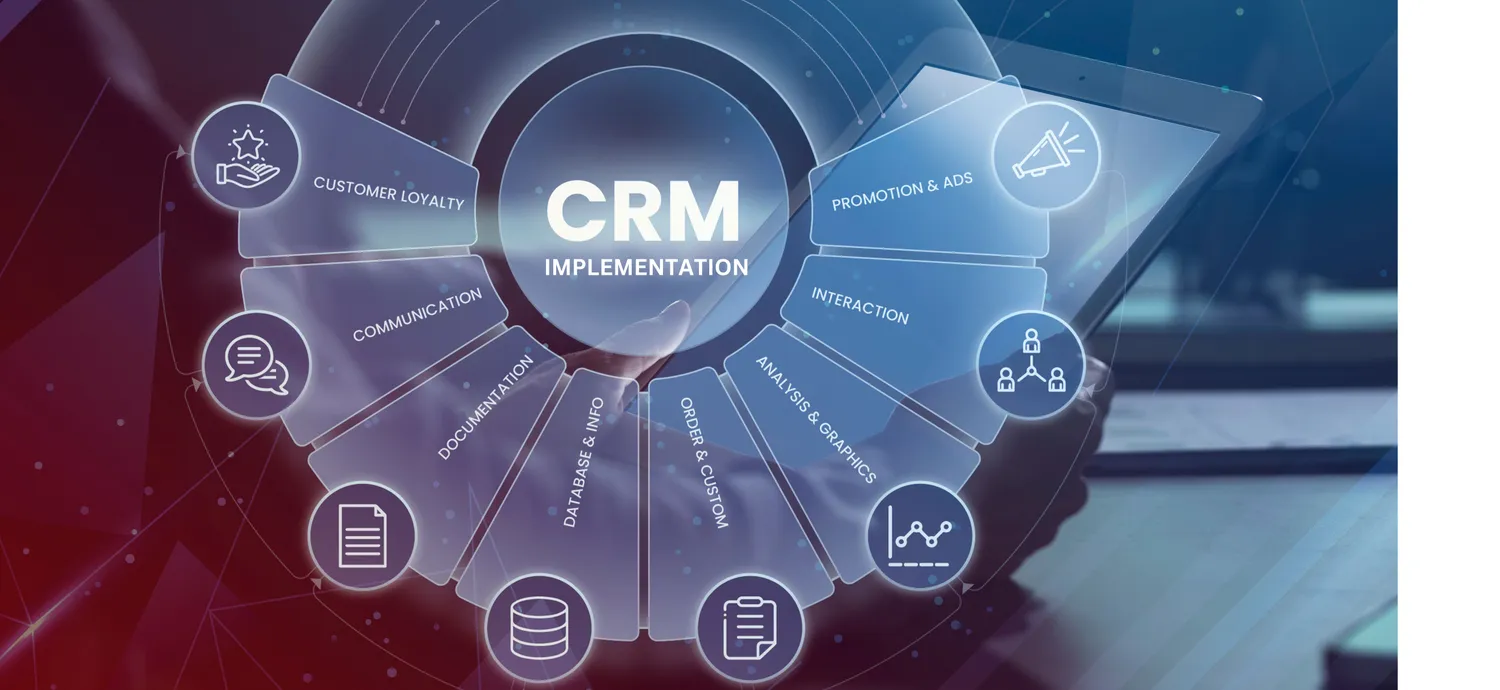
Defining Clear Objectives
The foundation of any successful CRM implementation lies in defining clear and measurable objectives. Enterprise organizations must articulate their specific goals, whether it's improving customer retention rates, increasing sales productivity, or enhancing marketing effectiveness. These objectives should be aligned with the organization's broader strategic vision and translated into actionable targets. By establishing SMART (Specific, Measurable, Achievable, Relevant, Time-bound) objectives, enterprises can effectively gauge the success of their CRM initiatives and ensure alignment with business priorities.
Selecting the Right CRM System
Selecting the right CRM system is paramount to the success of the implementation process. Enterprise organizations must conduct a comprehensive evaluation of available CRM solutions, considering factors such as functionality, scalability, flexibility, and ease of integration. The chosen CRM software should not only meet the organization's current needs but also have the capacity to accommodate future growth and evolving business requirements. Additionally, it's essential to involve key stakeholders from various departments in the selection process to ensure buy-in and alignment with organizational goals.
Gaining Executive Buy-In
Securing executive buy-in is crucial for garnering support and resources needed for a successful CRM implementation. Senior leadership must understand the strategic importance of CRM and its potential impact on business outcomes. By effectively communicating the value proposition of CRM, including its ability to drive revenue growth, enhance customer loyalty, and improve operational efficiency, executives can champion the implementation process and rally organizational support. Moreover, executive sponsorship fosters a culture of accountability and ensures that CRM initiatives receive the necessary attention and prioritization.
Building a Cross-Functional Implementation Team
A cross-functional implementation team comprising representatives from various departments is essential for orchestrating a successful CRM deployment. This team should include stakeholders from sales, marketing, customer service, IT, and other relevant areas to provide diverse perspectives and ensure comprehensive coverage of organizational requirements. By fostering collaboration and communication among team members, enterprise organizations can streamline decision-making, mitigate risks, and promote a sense of ownership and accountability throughout the implementation process.
Mapping Out Processes and Workflows
Before embarking on CRM implementation, enterprise organizations must conduct a thorough analysis of existing processes and workflows. This involves documenting current practices, identifying pain points, and defining desired outcomes. By mapping out processes and workflows, organizations can gain insights into areas where CRM can add value, streamline operations, and improve efficiency. Moreover, this exercise enables organizations to identify customization and integration requirements necessary to align the CRM system with existing business processes seamlessly.
Providing Adequate Training and Support
User adoption is a critical factor in the success of CRM implementation. To facilitate seamless adoption, enterprise organizations must invest in comprehensive training programs tailored to the needs of different user groups. Training should encompass not only technical aspects of using the CRM system in Oman but also best practices for leveraging its capabilities to achieve business objectives. Additionally, ongoing support and access to resources, such as user manuals, tutorials, and help desks, are essential for addressing user concerns, resolving issues, and promoting continuous learning and improvement.
Ensuring Data Quality and Integration
Data quality and integration are foundational elements of CRM implementation. Enterprise organizations must ensure that data being captured and stored in the CRM system is accurate, complete, and consistent across all touchpoints. This involves implementing data governance policies, establishing data validation rules, and conducting regular data audits to maintain data integrity. Furthermore, integration with other enterprise systems, such as ERP, marketing automation, and analytics platforms, is essential for creating a unified view of customer interactions and enabling seamless data exchange across the organization.
Monitoring and Measuring Performance
Continuous monitoring and measurement are essential for assessing the effectiveness of CRM implementation and driving ongoing improvement. Enterprise organizations should establish key performance indicators (KPIs) aligned with their CRM objectives and use them to track progress and identify areas for optimization. These KPIs may include metrics such as customer acquisition rates, sales conversion rates, customer satisfaction scores, and return on investment (ROI). By leveraging data analytics and reporting capabilities built into the CRM system, organizations can gain actionable insights into customer behavior, market trends, and performance drivers.
Iterating and Improving
CRM implementation is not a one-time event but an iterative process of refinement and optimization. Enterprise organizations must solicit feedback from users and stakeholders, gather insights from data analysis, and adapt their CRM strategies accordingly. By embracing a culture of continuous improvement, organizations can stay agile, responsive, and proactive in addressing evolving customer needs and market dynamics. This iterative approach enables enterprises to maximize the value derived from their CRM investments and maintain a competitive edge in today's dynamic business landscape.
Conclusion
Successfully implementing a CRM software in an enterprise organization requires careful planning, strategic alignment, and diligent execution. By following best practices such as defining clear objectives, selecting the right CRM system, gaining executive buy-in, building a cross-functional implementation team, mapping out processes and workflows, providing adequate training and support, ensuring data quality and integration, monitoring and measuring performance, and iterating and improving, organizations can unlock the full potential of CRM to drive customer satisfaction, loyalty, and business growth. In an increasingly competitive marketplace, CRM module has emerged as a cornerstone of enterprise success, empowering organizations to forge deeper connections with customers, enhance operational efficiency, and achieve sustainable growth in the digital age.