Hair loss can be a challenging experience, but with advances in hair restoration techniques, many individuals can regain their confidence. One such innovation is the Hybrid Hair Transplant, a method that combines the best aspects of Follicular Unit Transplantation (FUT) and Follicular Unit Extraction (FUE). This combined approach offers more comprehensive results for patients, allowing for greater graft yield and quicker recovery. In this blog, we explore the power of the Hybrid Hair Transplant and why it's becoming a top choice for those seeking the Best Hair Transplant in India.
Understanding FUT and FUE Methods
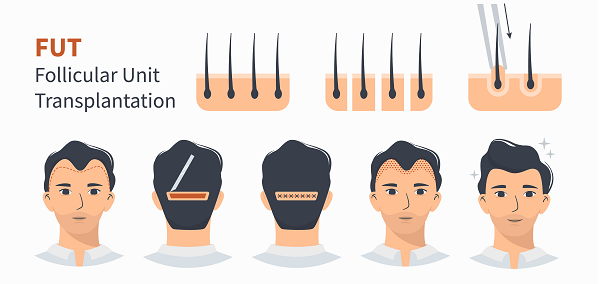
Overview of Follicular Unit Transplantation (FUT)
FUT involves removing a strip of scalp from the back of the head, from which individual follicular units are harvested. This method is ideal for patients requiring a large number of grafts as it allows for higher yield in one session.
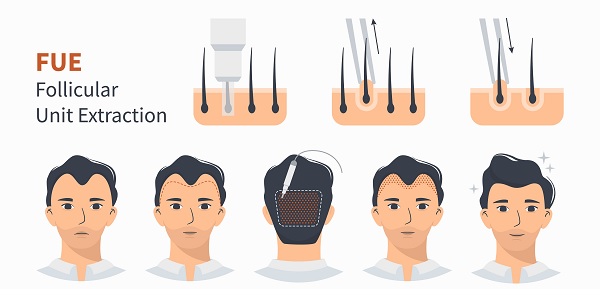
Overview of Follicular Unit Extraction (FUE)
FUE, on the other hand, involves extracting individual hair follicles directly from the scalp using a micro-punch. This minimally invasive method leaves no linear scar, making it a popular choice for patients who prefer shorter recovery times and less noticeable scarring.
Benefits of a Hybrid Hair Transplant
Maximizing Graft Yield
The Hybrid approach allows surgeons to maximize graft yield by combining the strengths of both methods. With FUT, a large number of grafts can be harvested in a single session, while FUE can be used to refine areas needing precision.
Reducing Recovery Time
By integrating FUE’s minimally invasive technique with FUT’s efficiency, patients experience quicker healing and reduced downtime. This combination minimizes post-surgical discomfort and accelerates the recovery timeline.
Achieving Natural-Looking Results
Hybrid hair transplants offer unparalleled natural results, as FUE allows for detailed placement in the hairline, and FUT provides the bulk necessary for density in the mid-scalp and crown areas.
How the Hybrid Method is Performed
Step-by-Step Process
- Donor Harvesting with FUT: A strip of scalp is removed from the donor area, and follicular units are extracted from this strip.
- Precision with FUE: FUE is then used to extract individual follicles from areas where FUT harvesting would be less ideal, such as near the edges of the donor region.
- Implantation: Grafts from both methods are meticulously implanted in the balding areas, ensuring maximum density and natural hairline formation.
Key Differences from Traditional Methods
The Hybrid Hair Transplant maximizes the number of grafts available while minimizing recovery time, offering a more balanced approach compared to using FUT or FUE alone.
Who Benefits the Most from Hybrid Transplant?
Individuals experiencing extensive hair loss but still retaining sufficient donor hair are prime candidates for the Hybrid approach. This method works particularly well for those requiring both high-density restoration and natural hairline precision.
Hair Types Best Suited for Hybrid Transplants
The Hybrid method is adaptable for all hair types, but it's particularly effective for those with thick donor hair and large balding areas, as it enables maximum coverage without sacrificing quality.
Recovery and Aftercare
Recovery Timeline
Patients can expect to experience mild discomfort and swelling for the first few days after the procedure. Recovery typically takes 7-10 days, with most individuals able to resume normal activities within two weeks.
Post-Procedure Care for FUT and FUE Combined
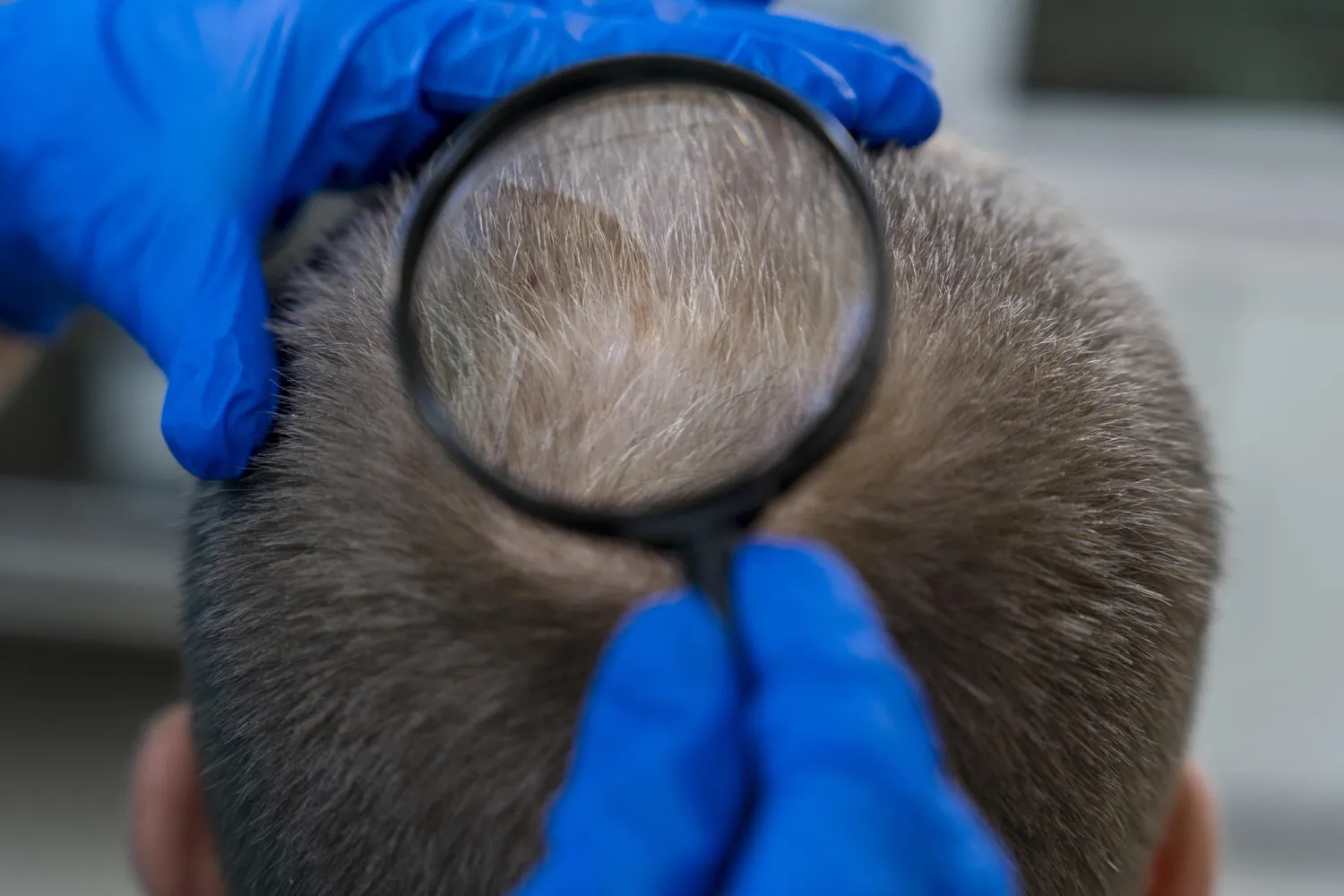
Since both FUT and FUE methods are used, post-operative care is essential to ensure optimal healing. This includes gentle washing of the scalp, avoiding direct sunlight, and following the surgeon's aftercare instructions closely.
Potential Risks and Side Effects
Minimizing Scarring
While FUT involves a linear scar, FUE leaves tiny circular scars. Combining the two can minimize the overall visibility of scarring. Surgeons skilled in hybrid transplants can strategically place the scars to ensure they remain hidden under the patient’s natural hair.
Addressing Concerns with Scalp Sensitivity
Some patients may experience sensitivity in the donor and recipient areas, but this is typically temporary and can be managed with prescribed medications.
Success Stories and Case Studies
Real-Life Results of Hybrid Transplants
Many patients who undergo Hybrid Hair Transplants report excellent results, with a significant increase in hair density and natural appearance. Success stories often highlight the advantage of combining FUT and FUE for patients with more extensive hair loss.
Expert Insights and Testimonials
Leading hair transplant surgeons recommend Hybrid Transplants for individuals looking to achieve both volume and naturalness. Their expertise ensures that patients receive personalized care based on their specific hair loss patterns.
Future of Hair Transplants
Innovations in Combining FUT and FUE
As technology progresses, the combination of FUT and FUE continues to evolve, with surgeons discovering innovative techniques to merge these methods for enhanced precision and efficiency. This refined approach makes FUT and FUE combined a leading option for achieving superior hair transplant outcomes.
New Techniques in Hybrid Procedures
New developments, such as robotic-assisted FUE, may further enhance the hybrid method by increasing accuracy in follicle extraction and placement, ultimately delivering even better results.
Conclusion
The Hybrid Hair Transplant method offers the best of both worlds by combining FUT’s efficiency and FUE’s precision. This innovative approach ensures patients receive maximum graft yield, faster recovery, and natural-looking results. If you're considering hair restoration and want the best hair transplant in India, a Hybrid Hair Transplant might be the perfect solution.
For a personalized consultation, speak to a specialist who can help guide you on your hair restoration journey.