Acne can be a frustrating experience, but for many, the aftermath can be even more challenging. Acne scars, often left behind after inflammation, can make skin appear uneven and dull. Fortunately, advancements in dermatology offer numerous acne scar treatment options designed to rejuvenate the skin and restore a smoother, more even complexion. In this article, we’ll dive into various treatments, their benefits, and how to choose the right approach for your skin type and scarring concerns.
Why Do Acne Scars Form?
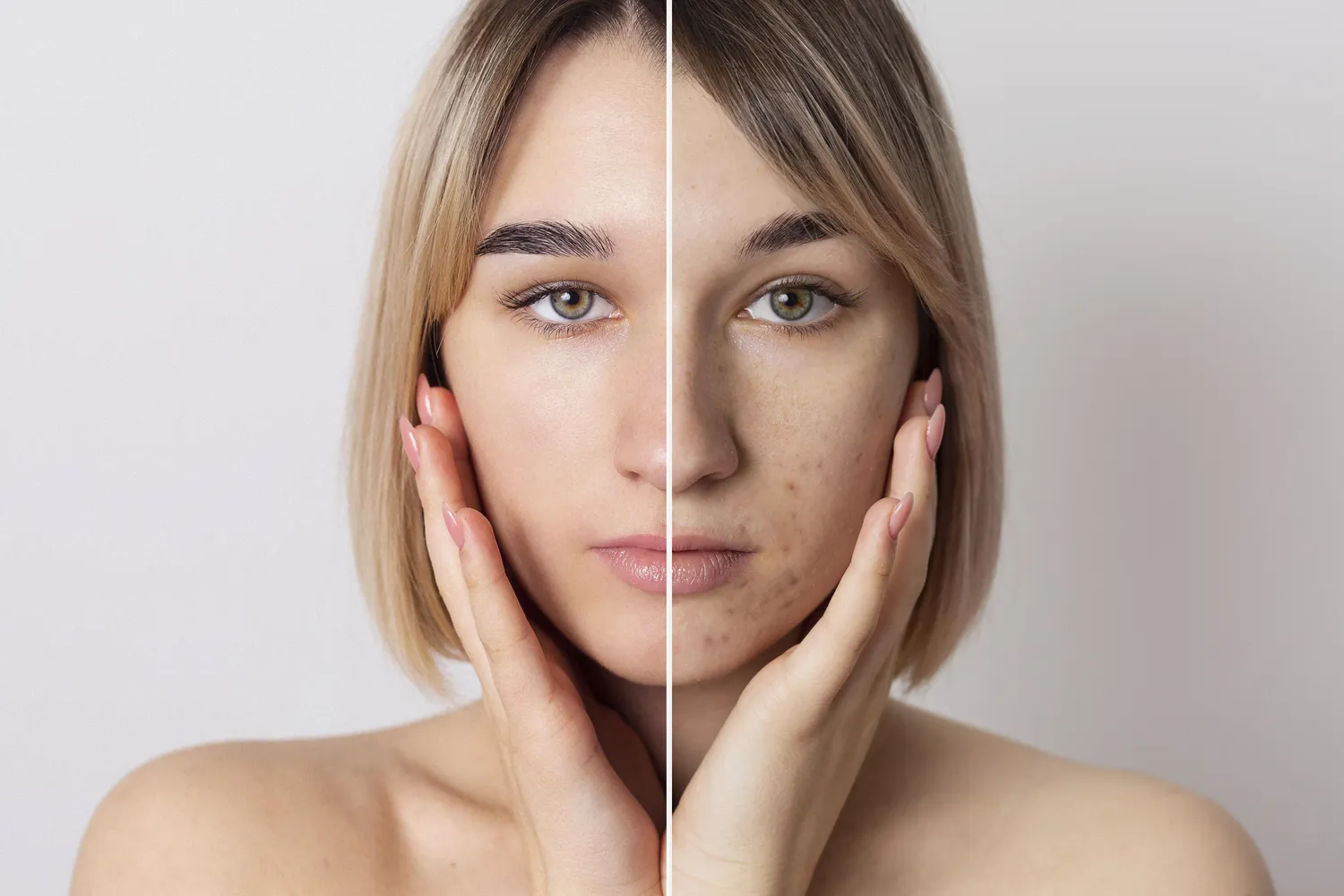
Acne scars result from inflammation within the skin during a breakout. When a pore becomes clogged with excess oil, dead skin cells, and bacteria, it swells. This inflammation can damage the surrounding tissue. During healing, the body tries to repair the tissue by producing collagen, but if too little or too much is produced, a scar forms. There are different types of acne scars, each requiring specific approaches for optimal treatment.
Types of Acne Scars
Before exploring acne scar treatments, it's essential to understand the different types of scars and how they vary in appearance and texture:
- Atrophic Scars - These scars are indentations in the skin and are the most common type of scarring resulting from acne. They include Ice Pick Scars: Narrow, deep pits that resemble small holes.
Boxcar Scars: Broad, square depressions with sharp edges.
Rolling Scars: Wide depressions with sloping edges that give the skin a wavy appearance.
- Hypertrophic and Keloid Scars - Raised scars caused by excess collagen production during the healing process, usually more common on the back and chest.
- Post-Inflammatory Hyperpigmentation (PIH) - Though not true scars, these dark or red spots left after acne heals can be persistent and are often treated alongside scars.
Acne Scar Treatment Options: What Are the Choices?
When it comes to choosing an acne scar treatment, it’s important to consider the type of scars, your skin type, and how sensitive your skin may be to various procedures. Here’s a closer look at some of the most popular options available:
1. Chemical Peels
Chemical peels are one of the most commonly recommended treatments for mild acne scars. They involve the application of a chemical solution that exfoliates the skin, removing damaged outer layers. This process promotes new cell growth and collagen production, which can improve the skin’s texture and even out pigmentation. Chemical peels are available in varying strengths—light, medium, and deep—with stronger peels offering more dramatic results but requiring more downtime.
- Best for: Mild to moderate scars, post-inflammatory hyperpigmentation.
- Downtime: Light peels typically have no downtime, while medium and deep peels may require up to a week for full recovery.
- Risks: Temporary redness, peeling, and sun sensitivity.
2. Microneedling
Microneedling, or collagen induction therapy, involves the use of a device with tiny needles that puncture the skin's surface to create micro-wounds. These small injuries stimulate collagen and elastin production, which can help fill in and smooth atrophic scars over time. Microneedling is minimally invasive and works well for most skin types, making it a versatile option.
- Best for: Shallow acne scars, especially rolling and boxcar scars.
- Downtime: Minimal, usually 24–48 hours of redness.
- Risks: Temporary redness, minor swelling; infection if not performed in a sterile environment.
3. Laser Therapy
Laser therapy has become one of the most popular treatments for moderate to severe acne scars. There are two primary types of laser treatments: ablative and non-ablative. Ablative lasers remove the top layer of skin, promoting new skin growth, while non-ablative lasers target deeper layers of the skin to stimulate collagen production without affecting the surface. Fractional CO2 lasers, which target small sections of skin at a time, are highly effective for deep scars.
- Best for: Deeper atrophic scars and uneven skin texture.
- Downtime: Can vary based on the intensity, ranging from a few days to a week.
- Risks: Redness, swelling, sun sensitivity; possible pigment changes for darker skin tones.
4. Dermal Fillers
For those with deep atrophic scars, dermal fillers can provide an immediate solution by filling in the indented areas. Fillers are injected directly into the scar, lifting it to the level of the surrounding skin and creating a more even appearance. While results are noticeable right away, they are temporary, lasting between 6–12 months depending on the type of filler used.
- Best for: Deep, narrow scars, especially boxcars and rolling scars.
- Downtime: Minimal, with mild swelling or bruising.
- Risks: Temporary bruising and redness; rare allergic reactions.
5. Subcision
Subcision is a minor surgical procedure used to treat deep scars, particularly rolling scars. In this procedure, a dermatologist inserts a needle beneath the scar tissue to break up the fibrous bands that pull the skin down, releasing the scar. This allows the skin to lift, creating a smoother surface. Often, subcision is combined with other treatments, such as fillers or microneedling, for enhanced results.
- Best for: Deep, tethered scars.
- Downtime: Minimal; some patients may experience temporary bruising.
- Risks: Bruising, swelling; possible scar recurrence.
Choosing the Right Acne Scar Treatment for You
Selecting the best acne scar treatment depends on factors such as skin type, scar type, and sensitivity. Consulting with a board-certified dermatologist is the best way to determine the appropriate combination of treatments for your skin. Many dermatologists recommend a multi-faceted approach to address different types of scars, as this can provide a more comprehensive improvement in skin texture and tone.

Home Care for Acne Scars: Can Topical Treatments Help?
While in-office treatments offer more pronounced results, incorporating topical products into your routine can complement these treatments. Ingredients like retinoids, vitamin C, and alpha hydroxy acids (AHAs) help with cell turnover, lighten pigmentation, and smooth the skin’s surface. Although topical treatments may not erase scars completely, they can improve the overall appearance of the skin over time.
- Retinoids: Promote cell turnover and collagen production, which can soften scars and improve texture.
- Vitamin C: Brightens dark spots and evens out skin tone, making it effective for post-inflammatory hyperpigmentation.
- AHAs: Exfoliate the skin, helping fade minor scars and reduce the look of pigmentation over time.
Protecting Your Skin: Sunscreen and Preventive Care
No matter what acne scar treatment you choose, protecting your skin from the sun is essential to prevent further pigmentation and ensure optimal healing. Sun exposure can worsen dark spots and slow down the healing process, so daily sunscreen use is a must. Additionally, maintaining a skincare routine with gentle exfoliation, moisturizing, and using acne-fighting ingredients can help keep future breakouts—and scars—at bay.
Final Thoughts on Acne Scar Treatment
Acne scars can be challenging, but they don’t have to be permanent. With advancements in dermatology, there are now many effective options to rejuvenate your skin and boost your confidence. Whether you opt for chemical peels, laser therapy, microneedling, or a combination approach, the right acne scar treatment can transform your skin and give you a smoother, more radiant complexion. Remember to consult with a dermatologist for personalized advice, and take it one step at a time—clear, beautiful skin is within reach!