In any industrial facility, piping systems quietly support almost every operation. They carry fluids, gases, steam, and chemicals between equipment, ensuring that processes run safely and efficiently. From power plants and refineries to manufacturing units and utility facilities, piping fabrication forms the backbone of reliable industrial performance.
Piping fabrication is not limited to joining pipes together. It involves detailed engineering, material selection, precise cutting, welding, inspection, and testing. Each step must align with design requirements and operating conditions. When piping is fabricated correctly, it integrates seamlessly into daily operations. When standards slip, even minor issues can lead to leaks, downtime, or safety concerns.
Understanding the Real Scope of Piping Fabrication
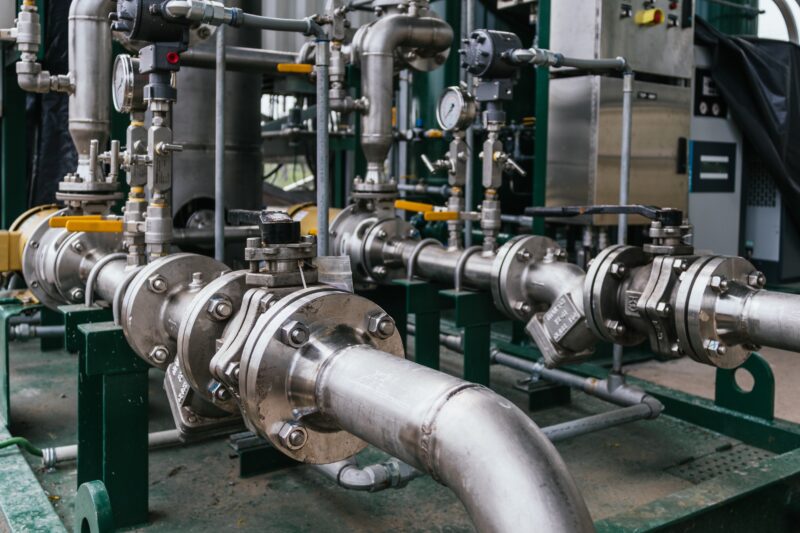
At a practical level, piping fabrication includes producing pipe spools, fittings, supports, and assemblies according to approved drawings. Materials are chosen based on pressure, temperature, corrosion risk, and the nature of the fluid being handled. This might involve carbon steel for general service, stainless steel for corrosive environments, or alloy materials for high temperature applications.
Most fabrication is carried out in controlled workshop settings. This allows weld quality, alignment, and dimensional accuracy to be closely monitored. Pipe spools are then transported to site for installation, reducing the amount of work needed in operating or congested areas.
For project owners, this approach improves predictability. Fabricated piping arrives ready for installation, supported by inspection records and documentation that confirm compliance with applicable codes and standards.
Why Fabrication Quality Shapes Long Term Performance
Once a facility is operational, piping systems are exposed to continuous stress. Pressure variations, vibration, thermal expansion, and environmental factors all affect performance over time. Poor fabrication can accelerate wear, increase maintenance needs, and raise the risk of unexpected failures.
High quality fabrication focuses on proper welding procedures, accurate fit up, and thorough inspection. Non destructive testing and pressure testing help verify system integrity before commissioning. These measures reduce the likelihood of early failures and support stable operation throughout the life of the plant.
For industries where unplanned shutdowns carry high costs, reliable piping fabrication is a necessity rather than an option.
Piping Fabrication in Modular and Integrated Systems
Modern industrial projects increasingly rely on modular construction to improve efficiency and reduce site complexity. Piping systems are often integrated into skids or modules that combine piping, mechanical equipment, and structural frames into a single functional unit.
This is where the Packaged system and Skid approach becomes especially valuable. By assembling piping as part of a packaged unit, fabrication and testing can be completed offsite under controlled conditions. These systems arrive ready to connect, reducing installation time and simplifying commissioning.
In real projects, packaged skids help limit site congestion, improve safety, and support tighter schedules. They are commonly used for pumping systems, metering units, filtration systems, and utility services.
Day to Day Benefits for Operations and Maintenance
Well fabricated piping systems make a noticeable difference during everyday operation. Clear routing, proper supports, and accessible valves make inspections and maintenance tasks easier and safer. Accurate fabrication also reduces stress on connected equipment such as pumps and heat exchangers, helping extend their service life.
Documentation generated during fabrication plays an important role as well. Weld maps, material certificates, and inspection reports provide valuable references for future modifications or repairs. For maintenance teams, this information supports better planning and faster response when issues arise.
Over time, these small advantages add up to more predictable maintenance schedules and fewer operational surprises.
The Importance of Local Fabrication Experience
While international standards guide piping fabrication, local experience matters. Climate conditions, project timelines, and regulatory expectations all influence how fabrication should be approached. Working with experienced fabrication companies in UAE ensures that piping systems are designed and built with regional conditions in mind.
Local fabrication expertise helps address challenges such as high ambient temperatures, outdoor exposure, and transportation constraints. It also supports better coordination between design, fabrication, and site installation teams.
A Balanced Closing Insight
Piping fabrication may not always attract attention, but its impact is felt throughout the life of an industrial facility. Reliable piping supports safe operation, efficient processes, and long term equipment performance.
When piping fabrication is combined with modular approaches such as packaged skids and delivered by experienced fabrication teams, it becomes a foundation for operational stability rather than a source of risk. In demanding industrial environments, that reliability is what allows facilities to perform consistently, day after day.