A Generator Is Only as Reliable as Its Enclosure
Standby power is critical infrastructure. Hospitals, data centers, airports, water treatment plants, and industrial facilities depend on diesel generators to maintain operations during grid outages — sometimes for extended periods. In these applications, generator reliability is non-negotiable.
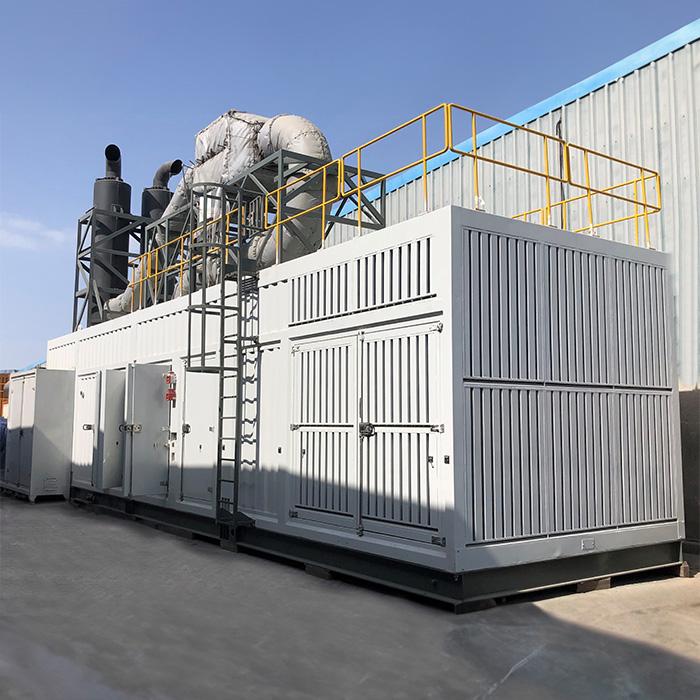
Yet generator reliability is not determined by the engine and alternator alone. The enclosure surrounding that machine plays an equally important role. An inadequate enclosure allows moisture into control panels, restricts combustion air, causes exhaust backpressure that degrades engine performance, and exposes electrical connections to corrosion. Generator Enclosures manufacturers UAE who understand these operational realities design enclosures that actively support generator reliability — not enclosures that merely fulfill a specification checkbox.
Key Engineering Parameters of a Quality Generator Enclosure
Acoustic Performance
In most UAE installations — commercial districts, hospital campuses, industrial parks — generator noise is regulated. A quality enclosure must achieve specified sound attenuation levels, typically measured as dB(A) at a defined distance from the unit. This requires a combination of acoustic lining, attenuated ventilation louvers, and exhaust silencers — all designed and tested as a system.
Ventilation and Combustion Air
A diesel generator requires substantial airflow — both for combustion and for engine cooling. Inadequate ventilation causes the engine to run at elevated temperatures, accelerating wear and potentially triggering thermal shutdowns. The enclosure designer must calculate required airflow volumes and design inlet and exhaust ventilation pathways that deliver this flow at all ambient temperature conditions, including the UAE's peak summer conditions.
Weather and Corrosion Protection
The UAE's coastal locations present a dual challenge: high humidity and salt-laden air that attacks steel surfaces aggressively. Enclosure steelwork must be specified and treated for marine-grade corrosion protection — not just painted with standard workshop primer. Control panel penetrations, cable glands, and access door seals must maintain their integrity over years of service.
Electrical Houses and Generator Rooms: When Power Infrastructure Combines
Many large installations require a combined facility — a generator room integrated with an electrical room housing the automatic transfer switch, distribution panels, and building management system interfaces. An experienced Electrical Houses Manufacturer can design and deliver this combined facility as a single prefabricated unit, pre-tested and ready for connection.
This integration eliminates the complexity of coordinating separate generator enclosure and electrical building contracts — with their inevitable interface management challenges and potential for design conflicts at the boundaries between suppliers' scopes.
Switchgear Enclosures in Generator Systems
Automatic transfer switching, generator protection relays, and output distribution switchgear must all be housed appropriately when they are installed in conjunction with standby generator systems. A Switchgear Enclosure Manufacturer UAE provides the correct housing for this ancillary electrical equipment — ensuring that the complete power system, from generator terminals to distribution outlets, is properly protected and accessible.
Modular Buildings for Remote Power Installations
For remote site applications — construction camps, oil field locations, or temporary infrastructure projects — modular technical buildings combine the generator enclosure, fuel system, electrical distribution, and control systems into a single deployable unit. Moudular Technical Buildings (E HOUSE) configured for power generation applications allow rapid deployment, relocation, and decommissioning — making them the preferred solution for temporary or phased power requirements.
Conclusion: Specify the Enclosure as Carefully as the Generator
The most common mistake in standby power projects is treating the generator enclosure as a minor line item — something to procure at minimum cost after the generator itself has been selected and purchased. This approach routinely produces enclosures that are acoustically inadequate, thermally marginal, or prone to corrosion — adding maintenance cost and reducing system reliability over the asset's life.
BERG Industries' generator enclosure manufacturing capability brings engineering discipline to this critical component — ensuring that the enclosure supports generator performance and reliability throughout its operational life.