Headwear, a term that encompasses a wide range of accessories from hats and caps to scarves and bandanas, has been an integral part of human attire for centuries. Far from being just a functional item to protect against the elements, headwear has evolved into a powerful fashion statement and a symbol of cultural identity.
The Fashion Statement of Headwear
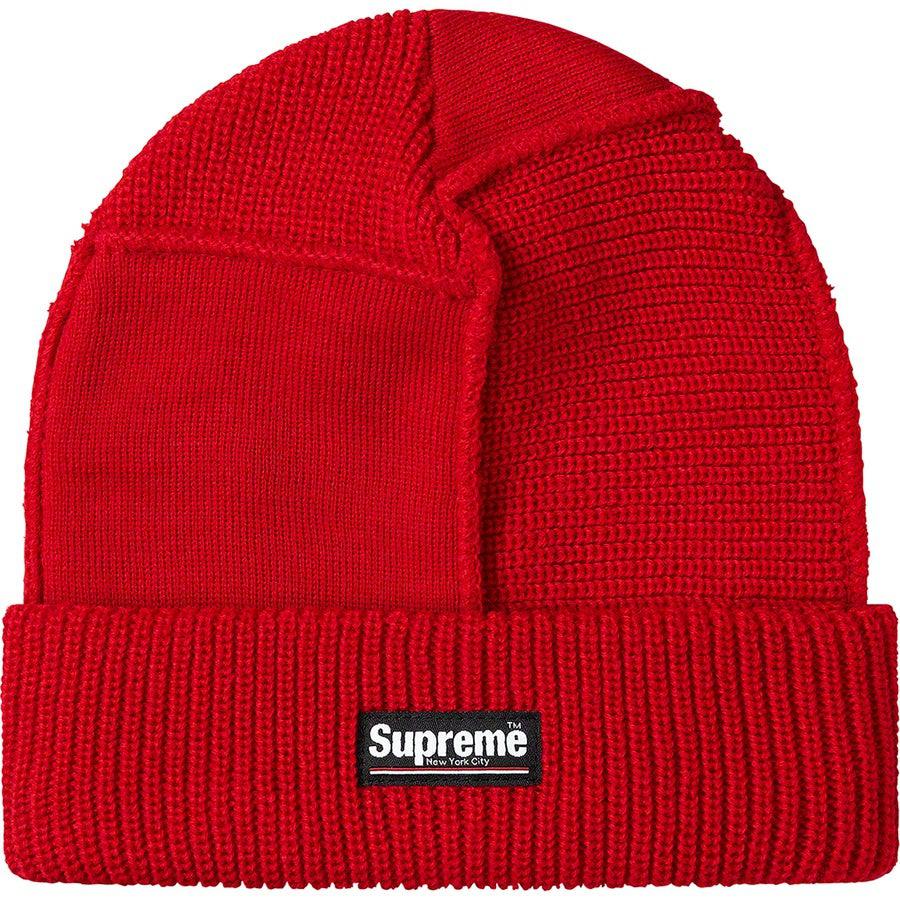
From the runways of Paris to the streets of New York, headwear has always been a staple in the fashion industry. Designers use hats and caps to add the finishing touch to their ensembles, often turning these accessories into the centerpiece of their collections. The variety is endless – from the elegant fedoras and berets to the casual baseball caps and beanies. Each type of headwear carries its own flair and speaks volumes about the wearer's personal style.

Functional Aspects of Headwear
While fashion is a significant aspect, the functional role of headwear cannot be overlooked. For instance, wide-brimmed hats offer protection from the sun, while insulated beanies keep us warm in colder climates. In professional settings, headwear such as helmets and hard hats provide essential safety for workers.
Cultural and Historical Significance
Headwear often holds cultural and historical significance. In many cultures, headwear is a symbol of religious faith or social status. Traditional headpieces, like the turban in Sikhism or the kufi in Islamic cultures, are worn with great pride and respect. Historically, headwear has been used to signify everything from marital status to political affiliation.
Trends in Headwear
The headwear industry, much like fashion, is subject to changing trends. Recently, there has been a resurgence in vintage styles, with people embracing retro designs like cloche hats and newsboy caps. Sustainable and ethical fashion trends have also influenced headwear, with an increase in demand for products made from organic or recycled materials.
Headwear in Pop Culture
Pop culture has played a significant role in popularizing certain styles of headwear. Celebrities and public figures often set trends with their choice of hats or caps. Social media influencers have also contributed to the popularity of certain styles, often causing spikes in demand for specific types of headwear.
The Future of Headwear
The future of headwear looks promising, with innovations in materials and design. Smart headwear, equipped with technology for various purposes like health monitoring or augmented reality experiences, is on the horizon. Moreover, as the world becomes more inclusive, headwear designs are adapting to cater to a diverse range of hair types and cultural practices.
Conclusion
Headwear is more than just an accessory; it's a form of self-expression, a functional necessity, and a cultural artifact. As fashion continues to evolve, so too will the styles and significance of headwear, maintaining its status as a crucial and dynamic component of human attire.
FAQs
What are the different types of headwear?
Headwear comes in various forms, including hats (like fedoras, beanies, and baseball caps), caps, visors, headscarves, turbans, helmets, and even crowns or tiaras. Each type serves different purposes, ranging from fashion and function to cultural significance.
How do I choose the right headwear for my face shape?
Choosing headwear based on face shape is key for a flattering look. For example, those with round faces might opt for angular hats like fedoras, while individuals with oval faces can wear almost any style. It's about balancing proportions and highlighting your best features.
Can headwear be a part of formal attire?
Absolutely. Headwear such as fedoras, bowlers, and fascinators can complement formal attire. The key is to choose headwear that matches the formality and style of your outfit.
How do I care for and maintain my headwear?
The care for headwear depends on the material. For instance, wool hats might require gentle hand-washing, while leather hats need special leather cleaners. Always check the manufacturer’s instructions for the best care practices.
Is there a cultural significance to wearing headwear?
Yes, many types of headwear have deep cultural and religious significance. For example, the turban in Sikh culture or the hijab in Islamic culture. It's important to understand and respect these cultural meanings.