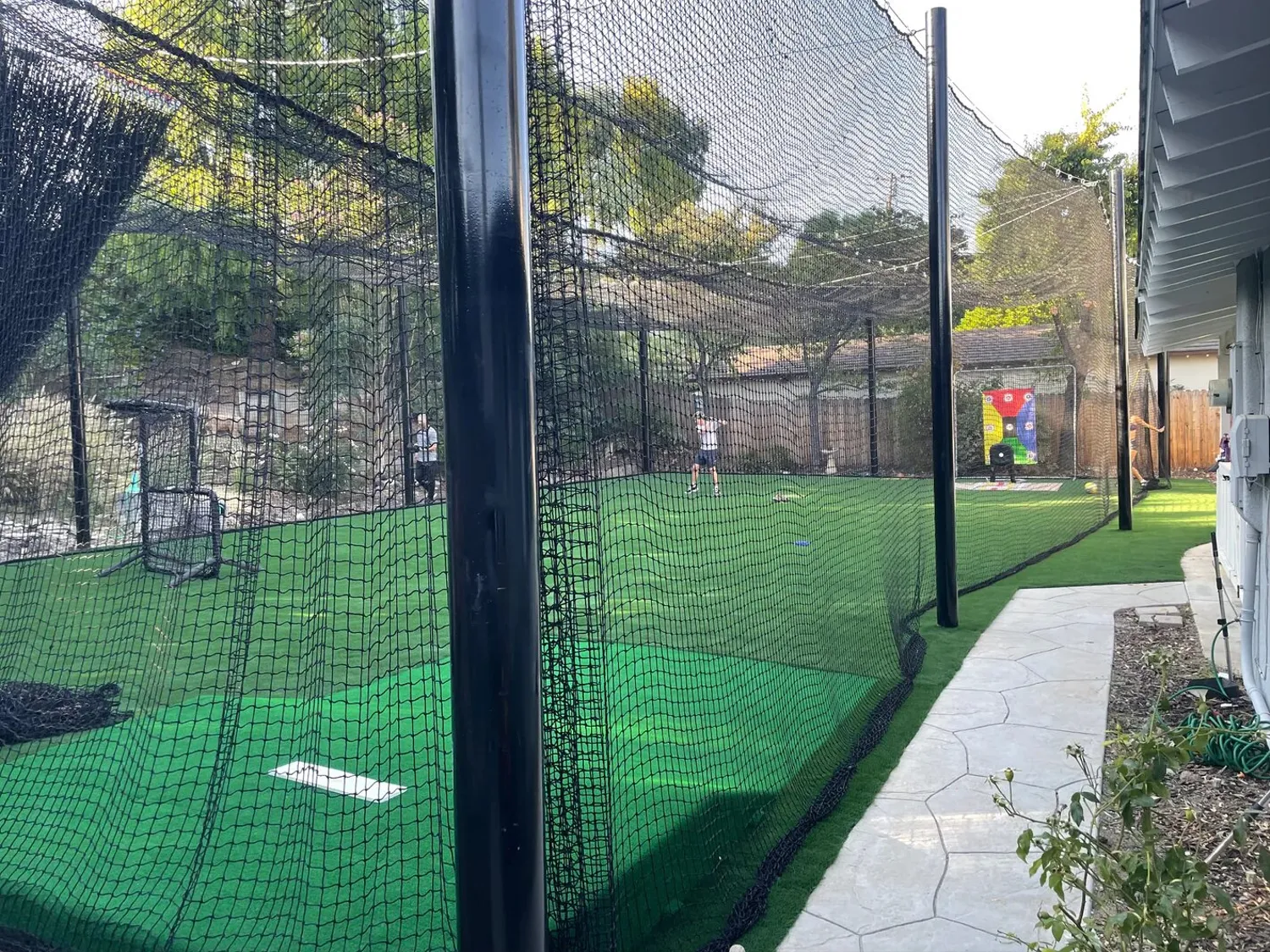
Introduction
Imagine investing in a high-quality batting cage, setting it up in your backyard or training facility, and then, just a few months later, noticing rusted connectors, weakened netting, and a shaky frame. What went wrong? The answer is often the weather. Weather conditions play a crucial role in determining the longevity of batting cage hardware. From excessive moisture to extreme temperatures, the environment can significantly impact the durability and performance of your batting cage setup. In this article, we will take an in-depth look at how different weather elements affect batting cage hardware durability and what steps you can take to ensure its long life.
When selecting batting cage hardware, understanding its resistance to various weather conditions can help you make informed decisions. Whether you’re dealing with scorching sun, heavy rain, snow, or strong winds, each of these elements can have an impact on the materials and structure of the cage.
How Rain and Humidity Affect Batting Cage Hardware
One of the most common environmental threats to batting cage hardware is excessive moisture. Rain and humidity can cause several issues, primarily leading to rust and corrosion of metal parts.
Corrosion and Rusting
Most batting cage hardware, such as connectors, hooks, and poles, is made from metal. While high-quality hardware is usually coated or galvanized to resist rust, prolonged exposure to moisture can still take its toll. Once rust forms, it weakens the structural integrity of the metal, making it prone to breakage or bending under pressure.
Impact on Netting and Fasteners
Moisture doesn’t just affect the metal components—it can also degrade the netting and fasteners. When constantly exposed to humid conditions, the netting can absorb water, making it heavier and prone to sagging. Over time, this added weight puts stress on the cage’s frame, potentially causing deformation.
Preventative Measures
- Opt for galvanized or stainless steel batting cage hardware to prevent rust.
- Regularly check for rust formation and apply anti-rust coatings.
- If possible, disassemble and store hardware indoors during extreme rainy seasons.
- Use waterproof or UV-resistant netting to avoid moisture retention.
The Effects of Extreme Heat and Sun Exposure
Batting cages placed in sunny and hot environments face their own set of challenges. The sun's UV rays and excessive heat can cause material degradation over time.
Metal Expansion and Weakening
In high temperatures, metal hardware expands. While this expansion might seem insignificant at first, repeated expansion and contraction over time can lead to stress fractures in connectors and poles. This is especially problematic if the hardware is already slightly worn or weakened.
UV Damage to Netting and Ropes
UV rays can break down the synthetic fibers in netting, making them brittle and more likely to snap. This is a common issue in batting cages left exposed to direct sunlight for extended periods. Similarly, the ropes and bungee cords used to secure the netting can degrade, losing their elasticity and effectiveness.
Preventative Measures
- Use powder-coated or UV-resistant metal hardware to minimize heat damage.
- Consider placing a shade or canopy over the batting cage to reduce direct sun exposure.
- Replace netting periodically to prevent wear from prolonged UV exposure.
Cold Temperatures and Snow: A Hidden Threat
Colder climates bring a new set of challenges for batting cage hardware, primarily related to material contraction, ice buildup, and structural stress.
Metal Brittleness and Breakage
Just as metal expands in heat, it contracts in the cold. Extremely low temperatures can make metal brittle, increasing the likelihood of cracks and breakage. This is especially concerning if the hardware is thin or already weakened from previous exposure to moisture or rust.
Snow and Ice Buildup
If your batting cage remains outdoors in snowy conditions, ice and snow can accumulate on the netting, adding excess weight. This additional load can stress the hardware, causing poles to bend or connectors to loosen. Over time, this strain can lead to a collapse or permanent damage.
Preventative Measures
- If possible, disassemble and store the cage during winter months.
- Regularly remove snow accumulation from the netting to prevent excessive weight.
- Invest in weather-resistant materials designed for extreme temperatures.
Wind and Storms: The Structural Challenge
Strong winds and storms pose one of the biggest threats to batting cage hardware. High winds can cause significant structural damage if the cage is not properly anchored.
Risk of Uprooting or Structural Damage
Batting cages with lightweight or improperly secured frames can be uprooted during storms. Even moderate winds can cause swaying, which, over time, weakens joints and connectors.
Preventative Measures
- Secure your batting cage with ground anchors or weighted bases.
- Use wind-resistant netting to reduce drag and prevent excessive movement.
- Consider temporary disassembly before expected severe weather conditions.
Conclusion
Weather conditions significantly impact the longevity and durability of batting cage hardware. Whether it’s rust from rain, expansion due to heat, brittleness from cold, or damage from high winds, understanding these factors can help extend the life of your batting cage. Investing in high-quality batting cage hardware, performing regular maintenance, and implementing weatherproofing strategies can save time and money in the long run.
Frequently Asked Questions (FAQs)
1. How often should I inspect my batting cage hardware?
It is recommended to inspect the hardware at least once every few months, especially after extreme weather conditions such as heavy rain or storms.
2. What type of batting cage hardware is best for outdoor use?
Stainless steel or galvanized metal hardware is best for outdoor use, as it resists rust and corrosion.
3. Can I leave my batting cage outside year-round?
While some batting cages are designed for year-round use, it is best to take precautions like securing the structure, using UV-resistant materials, and removing heavy snow to prevent damage.
4. How can I prevent my batting cage from blowing away in strong winds?
Using ground anchors, sandbags, or weighted bases can help keep your batting cage stable in windy conditions.