Introduction
If you are serious about baseball or softball training, you have probably heard about batting cage turf. Many players, coaches, and facility owners invest in high-quality batting cage turf to enhance practice sessions, but does it actually improve your batting skills? This is a question many aspiring players and even professionals ask before making the investment.
The answer is yes, but it depends on various factors such as the quality of the turf, how it is installed, and how well it mimics real-game conditions. In this detailed article, we will explore the role of batting cage turf in improving a player’s batting skills, its advantages over other surfaces, and the science behind how it affects performance. By the end, you will have a clear understanding of why turf matters and whether it is worth the investment for your training setup.
The Role of Batting Cage Turf in Training
Training is all about consistency, repetition, and controlled conditions. When you practice in a batting cage, the goal is to recreate real-game scenarios in a controlled environment. The surface you stand on plays a huge role in this. A poor-quality surface can cause instability, affect your stance, and even lead to injuries. This is where batting cage turf comes in.
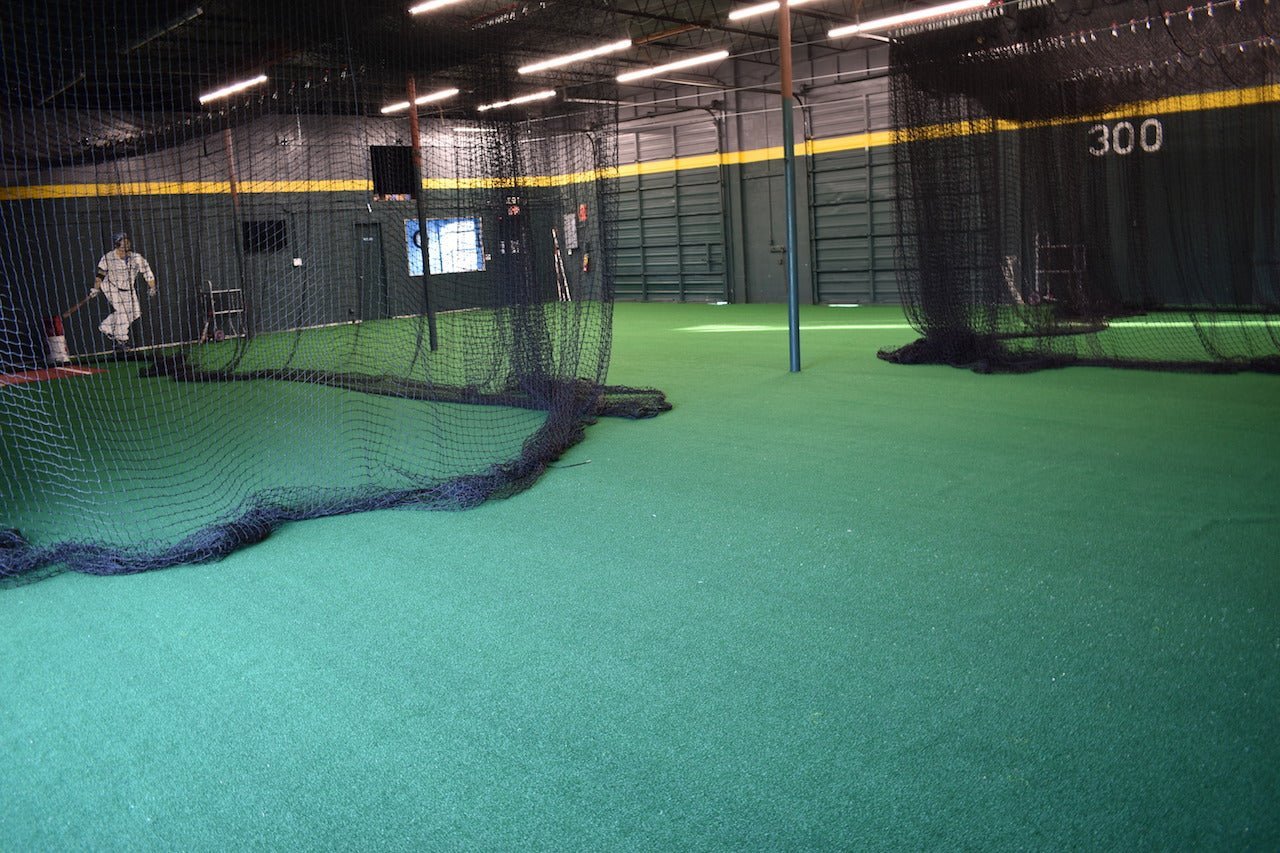
Batting cage turf provides a stable, consistent, and realistic surface for hitters to train on. It replicates the feel of a baseball field, making it easier to transition from practice to an actual game. Unlike concrete or bare ground, turf ensures proper grip, minimizes injuries, and absorbs impact effectively.
How Batting Cage Turf Improves Footwork and Stability
One of the key aspects of batting is foot positioning. Your ability to maintain a strong and balanced stance directly impacts the quality of your swing. If you are constantly slipping, adjusting your stance, or struggling to maintain balance, your swing mechanics will suffer.
Batting cage turf is designed to provide excellent traction, allowing batters to dig in properly and generate power without worrying about slipping. Unlike dirt, which can shift or become uneven, high-quality turf maintains a consistent surface throughout multiple practice sessions. This helps batters focus on their mechanics instead of compensating for poor footing.
The Impact of Batting Cage Turf on Swing Mechanics
A stable surface allows hitters to focus entirely on their swing. The kinetic chain in a baseball swing starts from the feet, moves through the legs, and generates force up through the torso and arms. If your feet are slipping, your entire swing sequence is disrupted, leading to poor results.
High-quality batting cage turf eliminates this issue by ensuring a firm grip. This allows hitters to:
- Generate power efficiently
- Maintain proper balance and posture
- Execute controlled and precise movements
A smooth and even turf surface also reduces the risk of awkward movements that can lead to injuries. This is especially important for players who train frequently.
Injury Prevention and Safety Benefits
Training on hard surfaces like concrete or asphalt increases stress on the joints, leading to issues like shin splints and knee pain. Even dirt surfaces can become compacted over time, making them just as harmful. Batting cage turf, on the other hand, provides a cushioned feel, reducing the impact on the joints and minimizing strain during repetitive training sessions.
Additionally, turf reduces the chances of ankle twists, slips, and falls, which are common when training on unstable surfaces. Players can train with confidence, knowing that their risk of injury is minimized.
How Turf Affects Batting Performance Over Time
Consistent training conditions lead to improved muscle memory, and muscle memory is crucial for developing good batting skills. Practicing on batting cage turf ensures that players experience the same type of surface every time they train, allowing them to build familiarity with their stance and movements. This consistency translates to better performance during games.
The Science Behind Batting Cage Turf and Performance
Scientific studies have shown that athletes perform better when training conditions closely resemble actual game conditions. Turf mimics the texture and feel of real baseball fields better than any other practice surface. This psychological familiarity helps players feel more comfortable and confident in game situations.
Moreover, proper turf installation ensures that balls bounce naturally, helping batters improve their reaction time and adjust their swings accordingly. The more realistic the training environment, the better prepared a player will be for real game situations.
Frequently Asked Questions (FAQs)
1. Is batting cage turf better than dirt for training?Yes, batting cage turf provides a consistent, stable, and injury-resistant surface compared to dirt, which can become uneven and unsafe over time.
2. How often should batting cage turf be replaced?The lifespan of turf depends on usage and maintenance. High-quality turf can last 5-10 years with proper care, making it a long-term investment.
3. Does batting cage turf require special maintenance?While turf is low-maintenance, it should be cleaned regularly to remove dirt and debris. Occasional brushing can help maintain its texture and grip.
4. Can batting cage turf be used for outdoor cages?Yes, many types of batting cage turf are designed for both indoor and outdoor use, with weather-resistant properties to withstand different conditions.
Conclusion
Batting cage turf is not just an aesthetic upgrade—it plays a crucial role in improving batting skills. From enhancing footwork and stability to preventing injuries and ensuring consistent practice conditions, turf provides multiple benefits for players of all levels. By choosing high-quality batting cage turf, players can create an optimal training environment that translates to better game performance. Whether you're an amateur or a pro, investing in good turf is a step toward mastering your swing and reaching your full potential on the field.