Introduction
If you are serious about baseball training, you know how crucial it is to have the right equipment. Whether you're a beginner or a seasoned player, the right tools can make a significant difference in your performance. One such essential training tool is a baseball hitting mat. But what exactly makes a high-quality baseball hitting mat? How do you choose the best one for your needs? In this guide, we will break down everything you need to know about baseball hitting mats, from materials to durability and how they can improve your training.
Why a Baseball Hitting Mat is Essential for Training
A baseball hitting mat is designed to provide players with a stable and realistic surface for batting practice. It helps simulate real-game conditions, protects the ground beneath, and enhances a player’s stance and footwork. Unlike regular turf or grass, these mats are specifically engineered to withstand repetitive use, making them a long-lasting investment for serious players.
Improved Footwork and Stance
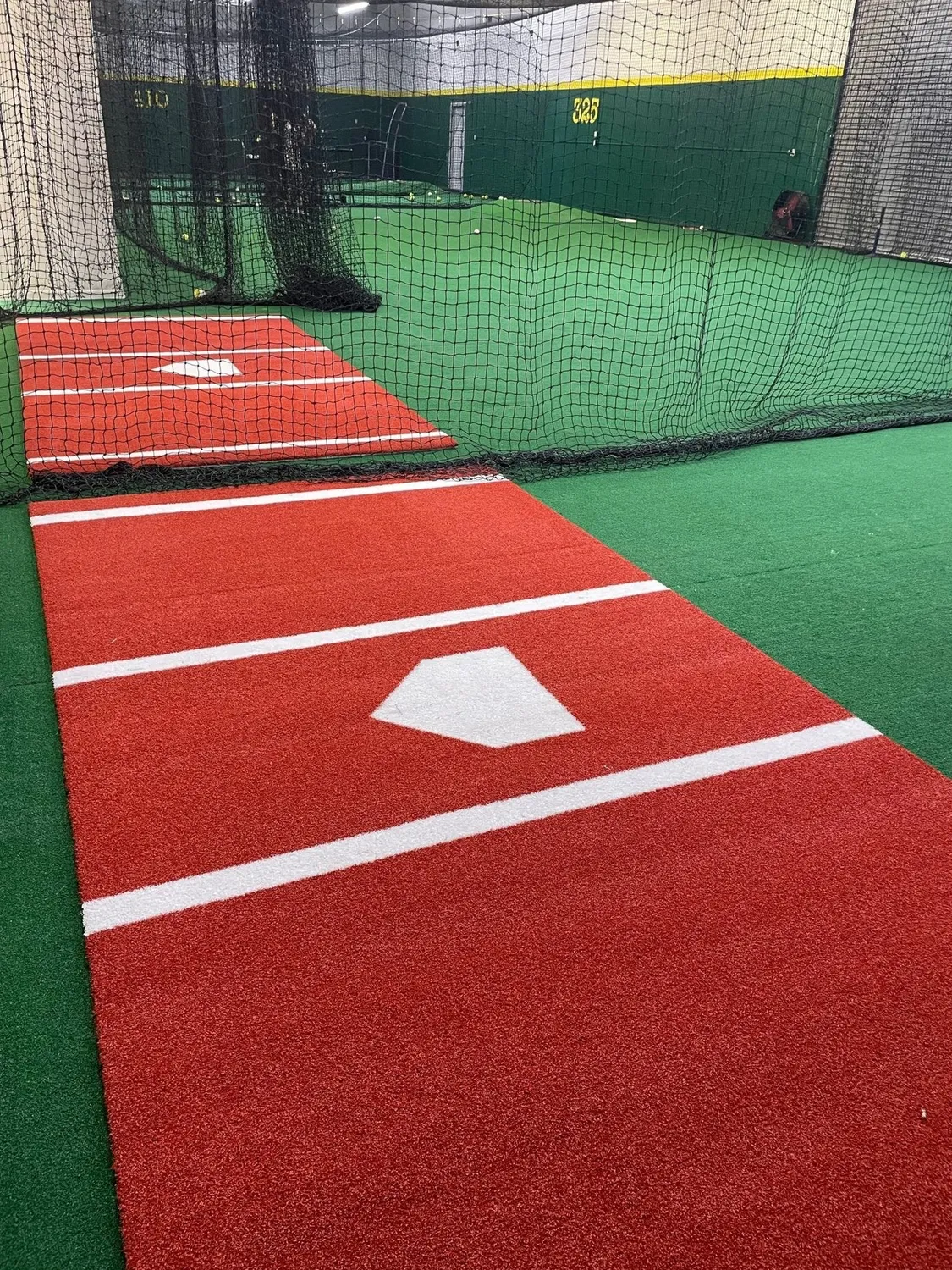
One of the key benefits of a high-quality baseball hitting mat is that it allows players to maintain proper foot positioning. Many mats come with marked batter’s boxes, ensuring that players develop a consistent stance. This consistency is crucial for developing muscle memory, which can lead to improved batting performance.
Durability and Protection
Unlike natural grass or dirt, a baseball hitting mat is designed to endure thousands of swings without wearing out. It protects the underlying surface, making it an excellent choice for both indoor and outdoor training setups.
Key Features of a High-Quality Baseball Hitting Mat
When choosing a baseball hitting mat, several factors determine its quality and effectiveness. Let’s explore these in detail.
1. Material Quality
The durability and feel of a hitting mat largely depend on the materials used in its construction. High-quality baseball hitting mats are typically made from durable artificial turf with a rubber backing. The turf should closely mimic the texture of real grass, providing an authentic playing experience.
- Artificial Turf: Look for a dense, high-pile artificial turf that can handle the wear and tear of constant practice.
- Rubber Backing: A non-slip rubber backing ensures that the mat stays in place, preventing accidents and injuries.
- UV Protection: If you plan to use the mat outdoors, ensure that it has UV-resistant properties to prevent fading and breakdown due to sun exposure.
2. Thickness and Padding
A high-quality baseball hitting mat should be thick enough to provide cushioning while maintaining a firm surface for footwork and stance.
- Standard Thickness: Most high-quality mats range from 5mm to 10mm in thickness.
- Shock Absorption: A padded mat helps reduce impact on the knees and joints, making it safer for prolonged practice.
3. Weather Resistance
For outdoor use, the mat should be able to withstand different weather conditions.
- Waterproofing: A water-resistant surface ensures that the mat remains usable even after rain.
- Temperature Resistance: Good quality mats are designed to withstand extreme temperatures without cracking or degrading.
4. Size and Dimensions
Hitting mats come in different sizes, and the right size depends on where you will be using it.
- Standard Size: The most common size is 4 feet by 6 feet, which provides ample space for batting practice.
- Full Batting Cage Mats: Larger mats are available for professional training facilities, covering the entire batting area.
5. Line Markings
A good baseball hitting mat should come with clearly defined batter’s boxes and pitching lanes. This helps in maintaining proper foot placement and ensures consistency in training.
- Regulation Size Batter’s Box: A properly marked batter’s box helps players develop proper foot positioning and swing mechanics.
- Color Contrast: Lines should be highly visible and resistant to wear and tear.
How to Maintain Your Baseball Hitting Mat
Proper maintenance extends the life of your mat and ensures it performs optimally.
- Regular Cleaning: Sweep off dirt and debris to keep the surface clean.
- Avoid Metal Cleats: Use rubber cleats or sneakers to prevent premature wear.
- Store Properly: If not in use, roll up the mat and store it in a dry area.
- Inspect for Damage: Regularly check for signs of wear and replace the mat if necessary.
FAQs
1. How long does a baseball hitting mat last?
A high-quality baseball hitting mat can last several years with proper care and maintenance. The longevity depends on the frequency of use and material quality.
2. Can I use a baseball hitting mat on concrete?
Yes, most mats are designed with a rubber backing that prevents slipping on concrete surfaces. However, it’s recommended to check the product specifications before use.
3. Are baseball hitting mats waterproof?
Many high-quality mats are water-resistant and can withstand outdoor conditions. However, prolonged exposure to moisture can shorten their lifespan.
4. What is the best way to store a baseball hitting mat?
To extend its lifespan, roll it up and store it in a dry place. Avoid folding the mat, as this can cause creases and damage the surface.
Conclusion
A baseball hitting mat is an essential tool for players looking to enhance their batting skills. The right mat should be made of high-quality materials, offer durability, and provide realistic game-like conditions. Whether you are training at home, in a facility, or on the field, investing in a premium hitting mat will make a noticeable difference in your practice sessions. Choose wisely and maintain it well to enjoy years of improved performance.