Customer calls remain a key part of business communication. Many customers prefer speaking directly with a company when they need help or information. As call volume increases it becomes difficult to manage every call in an organized way. Without a proper system customers may face long wait times or reach the wrong department. This leads to frustration and poor service experience.
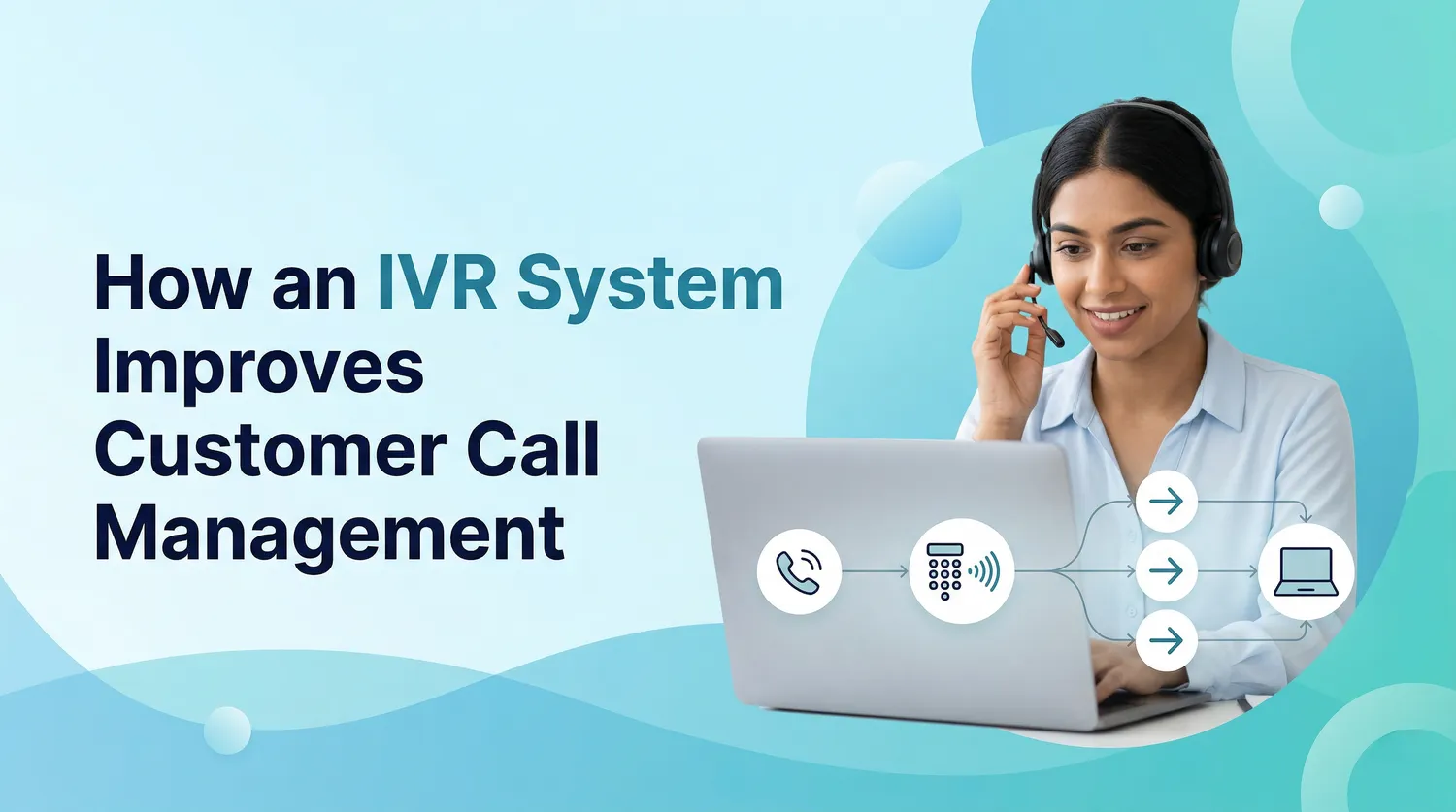
An IVR system helps businesses manage incoming calls through an automated voice response process. When a customer calls the system provides simple menu options. The caller selects the required option and the call moves to the correct department. This improves call flow and reduces confusion. By using an IVR system businesses can handle large call volumes while keeping communication structured and efficient.
How an IVR System Works in Daily Operations
An IVR system works by guiding callers through a series of voice prompts. These prompts help customers choose the service or department they need. The system uses predefined rules to route calls based on customer input. This removes the need for manual call handling during the first stage of communication.
Customers interact with the IVR system by pressing keypad numbers or speaking simple commands. Once the input is received the system transfers the call to the correct agent or department. This process happens quickly and reduces delays in call routing.
Many IVR systems also connect with call routing software and contact center platforms. This integration allows businesses to manage calls more effectively. The system can identify repeat callers and direct them to the right support team based on past interactions. With these capabilities the IVR system becomes an important part of daily call center operations.
Faster Call Routing and Reduced Waiting Time
One of the main benefits of an IVR system is faster call routing. Customers often call businesses for different reasons such as product support billing questions or service requests. Without an automated system agents must manually transfer calls until the customer reaches the right department.
An IVR system solves this problem by directing calls based on customer selection. The caller listens to menu options and chooses the correct department. The system then connects the call directly to the appropriate agent. This reduces the number of call transfers and improves response time.
Faster routing also helps reduce waiting time during peak call hours. Customers spend less time in queues because calls are handled in a structured way. Support agents receive calls that match their role which improves efficiency. This organized approach makes customer communication smoother and more reliable.
Better Customer Experience Through Self Service Options
Customers often prefer quick answers without waiting for a support agent. An IVR system can provide basic information through automated voice messages. This feature allows customers to solve simple issues without speaking to a representative.
For example customers can check service hours order status or account details through the IVR system. This reduces the need for direct agent interaction for routine inquiries. Customers receive immediate responses which improves satisfaction.
Self service options also reduce call volume for support teams. When simple questions are handled by the system agents can focus on more complex issues. This balance improves overall service quality and ensures that customers receive faster assistance when needed.
An IVR system also creates a consistent communication experience. Every caller receives the same guidance which reduces confusion and improves clarity.
Reduced Workload for Support Teams
Handling a large number of calls can create pressure on customer support teams. Agents often spend time answering basic questions or transferring calls between departments. These tasks take up valuable working hours and reduce overall productivity.
An IVR system helps reduce this workload by managing the initial interaction with customers. The system answers calls provides menu options and routes calls automatically. Agents only receive calls that require direct assistance.
Because routine tasks are handled by the IVR system support teams can focus on solving customer problems more effectively. This improves agent performance and reduces stress during busy periods. A well managed call flow also creates a better working environment for support staff.
When agents spend more time on meaningful conversations the quality of customer service improves. This leads to better outcomes for both customers and businesses.
Improved Call Monitoring and Data Insights
Businesses need clear insights into their call activity to improve performance. An IVR system helps collect useful data about incoming calls and customer behavior. Managers can review call volume call duration and call routing patterns through system reports.
This data helps identify busy hours and areas where service improvements are needed. For example businesses may notice that certain departments receive more calls than others. This information can help adjust staffing levels and improve resource planning.
IVR systems can also support call monitoring features. Managers can review how calls move through the system and how agents handle customer interactions. This helps maintain service quality and ensures that support teams follow proper communication standards.
With better data visibility businesses can make informed decisions about their call management strategy. This leads to more efficient operations and improved customer service.
Scalable Solution for Growing Businesses
As businesses grow the number of customer calls increases. Traditional call handling methods may not support this growth effectively. Companies may struggle to maintain service quality as call volume rises.
An IVR system offers a scalable solution that grows with the business. New menu options and departments can be added without major changes to the system. This allows businesses to expand their communication structure easily.
IVR systems also support integration with other tools such as CRM platforms and contact center software. These integrations help businesses manage customer data and communication in one place. As a result companies can maintain organized operations even as they grow.
The flexibility of an IVR system makes it suitable for businesses of all sizes. Whether a company handles a small number of calls or a large volume the system can adapt to changing needs.
The Bottom Line
Managing customer calls effectively is essential for maintaining strong communication and service quality. Without a structured system businesses may face delays repeated call transfers and customer dissatisfaction.
An IVR system improves customer call management by automating call routing providing self service options and reducing workload for support teams. It helps businesses handle large call volumes while maintaining organized communication.
By using an IVR system companies can improve response time enhance customer experience and gain better control over their call operations. As customer expectations continue to rise this system becomes an important tool for delivering reliable and efficient customer service.