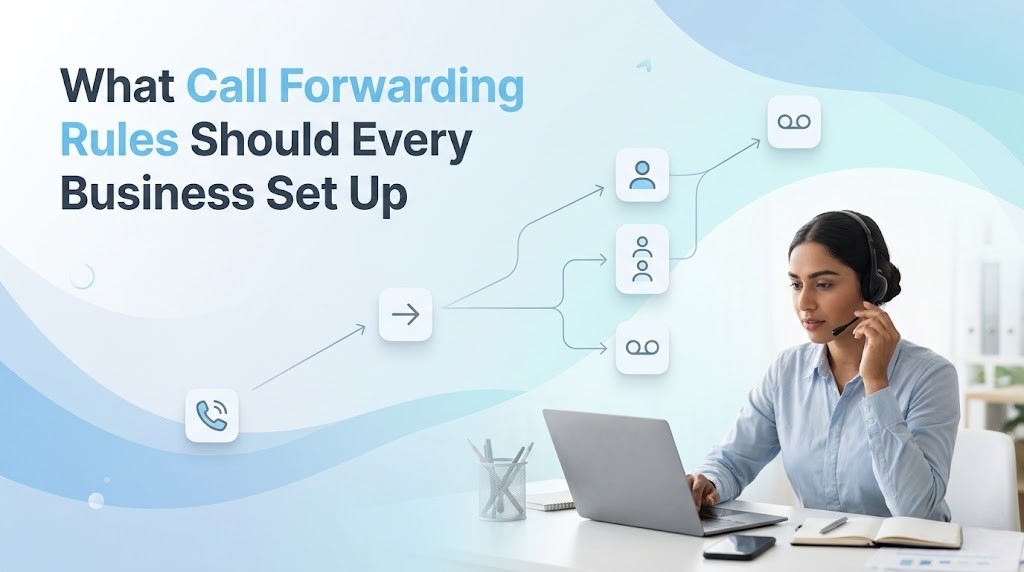
Business calls often come at all hours and from many different customers. Some calls are urgent while others may need simple information or follow up. Without proper handling many calls may go unanswered or reach the wrong person. This creates delays and can lead to missed opportunities.
Call forwarding helps businesses manage incoming calls by sending them to the right person or device. A well planned call forwarding setup ensures that customers always reach someone who can assist them. By using smart call forwarding rules businesses can improve response time and maintain better communication. When combined with tools like call routing system and IVR system the call handling process becomes more organized and reliable.
Always Forward Calls When Lines Are Busy
One of the most important call forwarding rules is forwarding calls when the main line is busy. During peak hours support teams may already be handling multiple calls. If no forwarding rule is in place new callers may hear a busy tone or disconnect.
With call forwarding businesses can redirect incoming calls to another available agent or department. This ensures that customers do not face long wait times or dropped calls. The system checks agent availability and forwards the call automatically.
This rule works well with call routing software which helps distribute calls across the team. It also supports better call management during high traffic periods. By forwarding calls when lines are busy businesses can handle more customer requests without increasing frustration.
Forward Calls Based on Time of Day
Businesses do not operate the same way throughout the day. Working hours may differ between departments or locations. A time based call forwarding rule helps manage calls according to business hours.
For example calls received during office hours can be directed to support teams or sales agents. Calls received after working hours can be forwarded to a different number such as a night support team or voicemail system.
This ensures that customers always receive a response even when the main office is closed. Some businesses also forward after hours calls to mobile devices so that urgent issues can still be handled.
Time based call forwarding also works well with IVR system features. Customers can hear a message about office hours and choose the next step. This creates a smooth experience for callers at any time of the day.
Route Calls Based on Department or Customer Needs
Not all calls require the same type of support. Some customers may need technical help while others may have billing questions or general inquiries. Without proper routing calls may reach the wrong department which creates delays.
A call forwarding rule based on the department ensures that each call reaches the correct team. Businesses can set up options that allow customers to choose the type of support they need. The system then forwards the call to the appropriate department.
This rule is often used with IVR systems and automated call routing systems. These tools guide customers through simple voice options before connecting the call. As a result agents receive calls that match their expertise.
Routing calls correctly improves efficiency and reduces the need for repeated call transfers. Customers also feel more satisfied when they reach the right team quickly.
Forward Calls to Mobile Devices for Remote Teams
Modern businesses often support remote work or field operations. Employees may not always be present in the office to answer calls. Without a proper system important calls may be missed.
Call forwarding allows businesses to send calls directly to mobile devices. This ensures that employees can answer business calls from any location. Whether a team member is traveling or working from home they remain connected to customer communication.
This rule is especially useful for sales teams and service staff who work outside the office. It helps maintain continuous communication without requiring a physical office setup.
When combined with cloud call center solutions, call forwarding provides flexibility and mobility. Businesses can manage calls across different locations without losing control over communication.
Use Sequential and Simultaneous Call Forwarding
Another important call forwarding rule is deciding how calls are distributed among team members. Businesses can use sequential or simultaneous forwarding depending on their needs.
Sequential call forwarding sends the call to one agent first. If the call is not answered within a set time it moves to the next agent. This process continues until someone answers the call.
Simultaneous call forwarding sends the call to multiple agents at the same time. The first person who answers takes the call. This method reduces waiting time and increases the chances of quick response.
Both methods work well with call routing systems and auto attendant features. Businesses can choose the approach that best suits their team size and call volume. These forwarding strategies help ensure that calls are answered quickly and efficiently.
Set Up Voicemail and Backup Call Handling
Even with advanced call forwarding there may be times when no agent is available to answer a call. In such cases a voicemail system acts as a backup option. Customers can leave a message and expect a follow up later.
Businesses should set up call forwarding rules that direct unanswered calls to voicemail after a certain period. This prevents calls from being lost completely.
Voicemail systems can also provide automated responses that inform customers about expected response times. Some systems send notifications to agents so that they can return calls quickly.
This rule ensures that every customer request is recorded even if it cannot be handled immediately. It also supports better follow up and customer satisfaction.
Monitor and Adjust Call Forwarding Rules Regularly
Setting up call forwarding rules is not a one time task. Businesses need to review their call handling process regularly to ensure it works effectively. Call patterns may change as the business grows or customer needs evolve.
By using call tracking software and call analytics tools managers can study call data such as call volume response time and missed calls. This information helps identify gaps in the call forwarding setup.
Businesses can then adjust rules to improve call handling. For example they may add more agents during peak hours or update routing rules based on customer needs.
Regular monitoring ensures that the call forwarding system continues to support business communication effectively.
The Bottom Line
Handling business calls efficiently requires more than just answering the phone. Without proper structure calls may be missed, delayed or routed incorrectly. This affects customer satisfaction and business performance.
Call forwarding provides a smart way to manage incoming calls through automated rules and routing strategies. By setting up rules for busy lines time based routing department selection and mobile forwarding businesses can create a reliable communication system.
When combined with tools like IVR system call routing system and cloud call center solutions call forwarding becomes even more powerful. It helps businesses stay connected with customers, improve response time and maintain organized communication.
For any business that wants better call management and consistent customer support, setting up the right call forwarding rules is an essential step.