Production quality is a fine point of every manufacturing process that defines the value, performance, and reliability of the end output. Ensure you are meeting or exceeding customer expectations and industry standards. This necessitates the use of concrete processes, experienced personnel and continuous updates. In this post we will explore what are the aspects that add up to production quality, what businesses can do to upgrade their production even further.
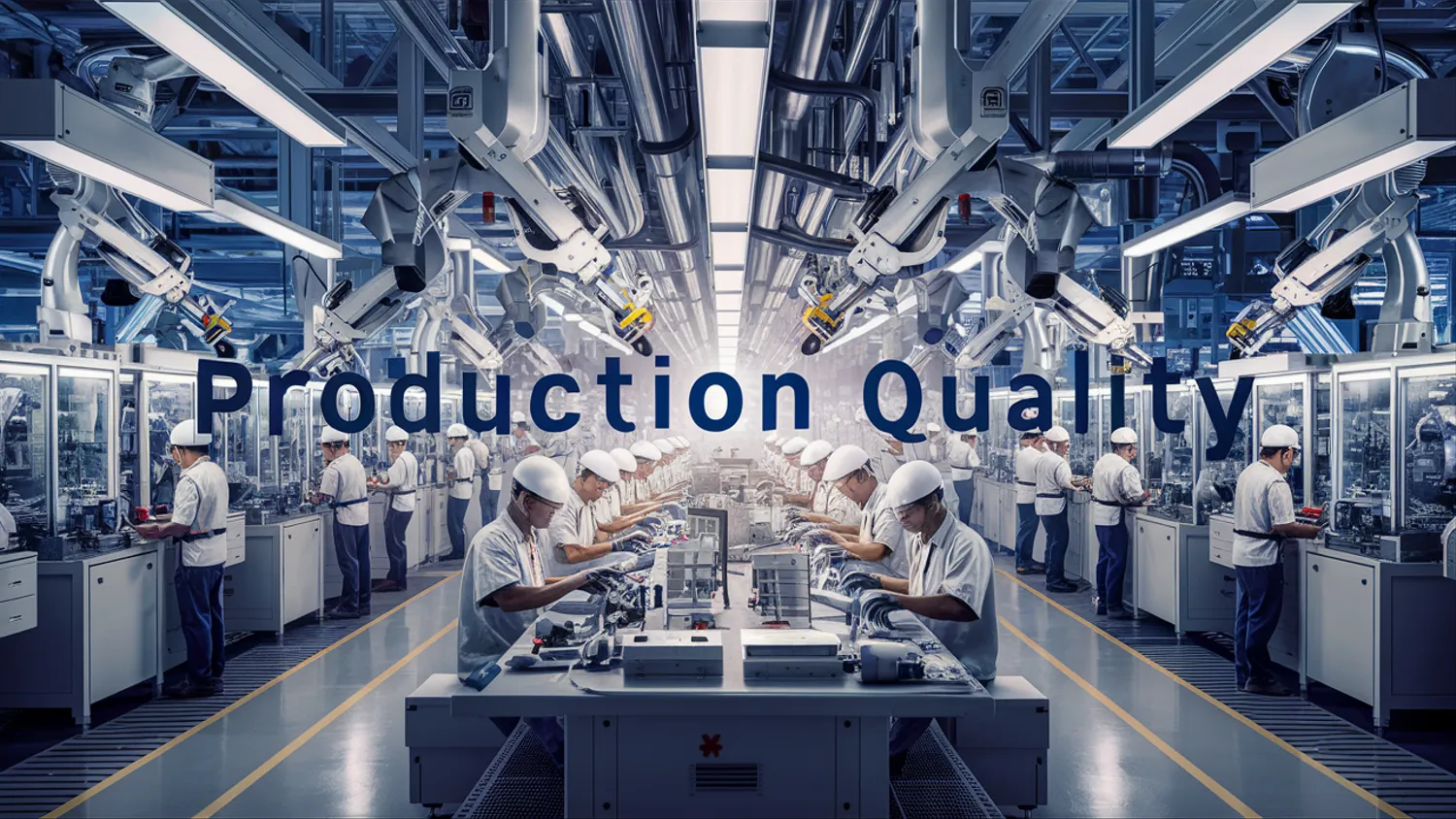
What is Production Quality?
Production quality is the measure of the service level of produced goods, as evidenced by consistency, reliability, a safe metallic structure, and performance. It captures each step in the lifecycle of production—from raw materials to the final product—and demands rigorous testing, monitoring, and changes to ensure that the quality remains consistent.
Key Factors Affecting Production Quality
- Materials and Inputs: The basis of high-quality production is the raw materials. The manufacturing process can be accomplished to the highest standards and efficiency, but if low-quality materials are used, the end product cannot be compromised.
- Tools and Technology: Cutting-edge equipment and systems are critical in maintaining accuracy and minimizing points of error. This helps in maintaining similar quality and production on the same line.
- Human Resources: Skilled workforce is required to achieve the optimum quality of production. As such, proper training in how to handle equipment, knowledge of quality standards, and the skills to troubleshoot issues are crucial in ensuring product quality.
- Quality Control Systems: Implementing robust quality control measures like SPC, Six Sigma, and TQM creates checks that ensure the production process is monitored, controlled and improved over time.
- Continuous Improvement: Companies must evolve constantly. In manufacturing, there are techniques such as Lean Manufacturing and Kaizen that emphasize across the production process reducing waste, improving efficiency, and ensuring a high-quality outcome.
See How It Works with a Free Demo – https://axonator.com/request-for-demo/
Best Practices for Enhancing Production Quality
- Adopt Lean Manufacturing Principles: Lean manufacturing principles are about eliminating waste and creating value. Resulting in more effective production lines, reduced errors, and better product quality.
- Adopt Advanced Testing Protocols: Make use of automated testing systems during production to identify any defects early so they never reach the customer.
- Invest in Employee Training: Well-trained employees can spot and address problems quickly, which reduces production defects and increases the efficiency of the production process as a whole.
- Leverage Real-time Data: Data analytics and IoT-enabled sensors can give real-time insights into production processes, allowing manufacturers to catch potential quality issues before they escalate into costly problems.
Case Study: How Company X Enhanced Production Quality
For example, Company X, a major automotive parts manufacturer, experienced issues with product defects on their manufacturing line in 2022. Implementing a holistic quality control system and investing in employee training led to a 30% reduction in defects within six months. Real-time data analytics further allowed them to monitor production quality metrics and drove close monitoring of corrective actions.
However, in today’s highly competitive manufacturing environment, high production quality is not optional — it’s key to long-term success. As a result, businesses that prioritise quality control systems, employee training, and adjust in response to feedback are in a prime position to deliver products that satisfy customers and maintain a competitive edge. This will provide companies with operational efficiency, lower costs, and customer retention strategies when prioritizing the things that affect production quality.