Facility management (FM) is going through a major revolution. Previously, it was all about managing buildings, utilities, and daily operations. Today, thanks to technological improvements, FM is more than just maintaining physical places; it is about optimizing entire ecosystems for efficiency, sustainability, and creativity. But how will this transition effect businesses? What will the future of FM look like? Let's take a closer look at facility management systems and why they are the unsung heroes of modern corporate operations.
What Is a Facility Management System?
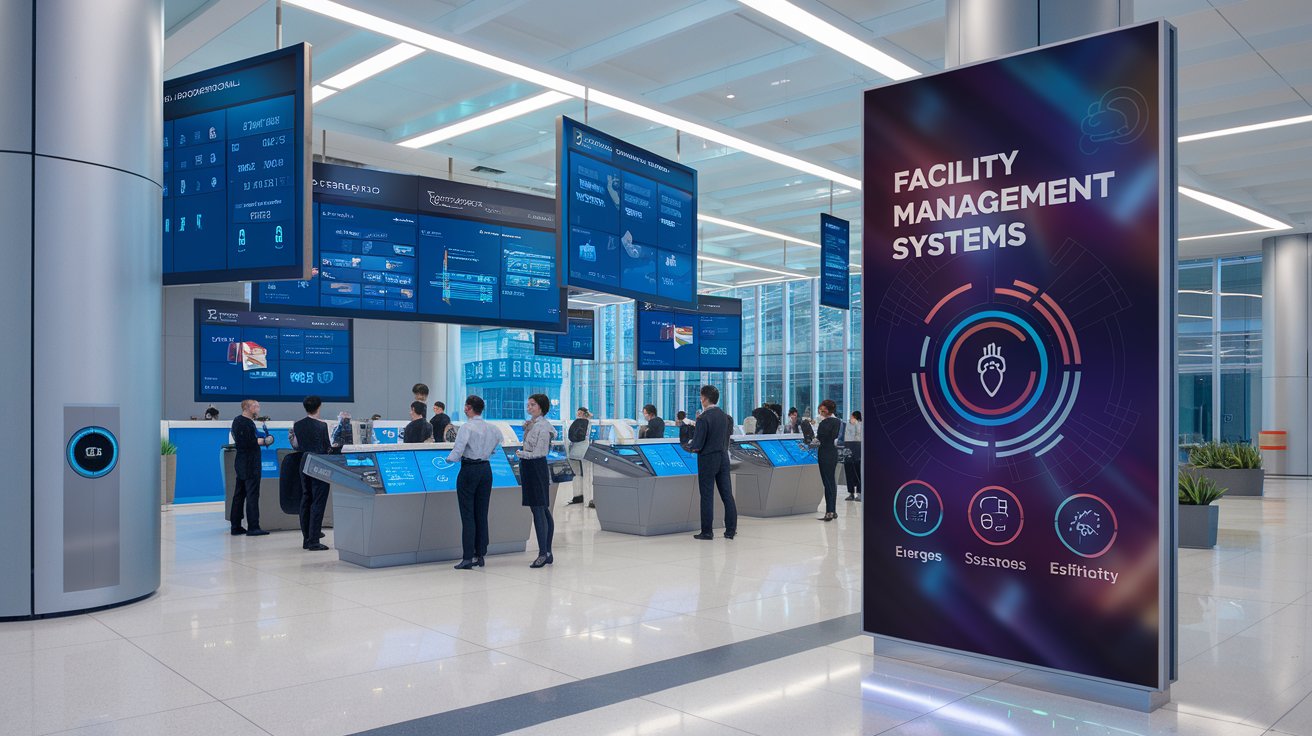
Facility management systems (FMS) are software solutions that enable firms to streamline and optimize their facilities. FMS enables enterprises to function efficiently and cost effectively by managing work orders and maintenance chores, as well as supervising building operations and energy use. But that's only the beginning. What if this technology could also cut downtime, increase employee productivity, and even benefit the environment?
Why Facility Management Systems Matter More Than Ever
In a world increasingly driven by digital transformation, the role of facilities managers is evolving. With cloud-based solutions and AI-powered tools, facility management systems have become smarter, faster, and more integrated. Some key areas where they make a difference include:
- Energy Management: Facility management systems allow businesses to monitor and control energy usage in real-time, driving sustainability and cost savings. Imagine reducing your energy consumption by 20% just by tweaking your system’s settings.
- Preventive Maintenance: Gone are the days of reactive maintenance. With FMS, businesses can now predict when equipment will fail and perform maintenance before it becomes an issue, minimizing costly disruptions.
- Space Utilization: Optimizing workspace is no longer just about saving money. It’s about maximizing productivity. Advanced facility management systems can provide data-driven insights to ensure that office spaces, meeting rooms, and common areas are utilized efficiently.
- Compliance and Risk Management: A major aspect of facility management is ensuring that buildings comply with health, safety, and environmental regulations. FMS helps businesses stay compliant by automating reports and tracking critical deadlines.
The Future of Facility Management: What’s Next?
The future of FM is rooted in cutting-edge technologies like artificial intelligence, machine learning, and IoT (Internet of Things). These technologies are ushering in a new era of smart facilities. Here’s what we can expect:
- Predictive Analytics: By using AI and data analytics, FM systems can predict when assets or equipment might fail, thus enabling predictive maintenance. This shift will save businesses millions by avoiding expensive repairs and unscheduled downtime.
- Smart Building Integration: Imagine a facility where everything—from lighting to heating to security systems—can be controlled with a single app. Facility management systems of the future will integrate seamlessly with smart building technologies, offering a higher degree of control and convenience.
- AI-Driven Decision Making: In the coming years, AI will not only assist with maintenance and operations but also drive decisions regarding energy optimization, resource allocation, and even real estate management.
Step into the future—Get your demo today! https://axonator.com/request-for-demo/
The Benefits for Businesses
Investing in a facility management system isn’t just about keeping the lights on (literally). It’s about streamlining operations, reducing overheads, and enhancing employee satisfaction. Here are some top benefits:
- Cost Efficiency: Automating facility management tasks helps organizations save money by reducing manual labor, energy waste, and downtime.
- Employee Well-being: By creating a more comfortable, efficient environment, businesses enhance employee productivity and morale.
- Sustainability: A well-maintained facility contributes to sustainability goals by improving energy efficiency and reducing carbon footprints.
Is Your Facility Ready for the Future?
Facility management systems are more than simply software; they hold the key to achieving operational excellence. With the potential to improve energy management, expedite maintenance, and ensure business continuity, FM systems are no longer a luxury, but rather a requirement. So, is your facility prepared to adapt to the future? The sooner you adopt these advances, the sooner you'll see their transformative impact on your business.
Are you wondering how to implement a facility management system into your business? Begin investigating your choices today to ensure that your facility is future-ready. The future of business operations begins now; do not allow your facility fall behind!