Effective commercial facility upkeep is critical in today's competitive business environment. Businesses, large and small, rely on their facilities to run smoothly and efficiently. This article will discuss the importance of commercial facility maintenance, including major components, benefits, and best practices for ensuring a safe, functional, and productive environment for both staff and customers.
What is Commercial Facility Maintenance?
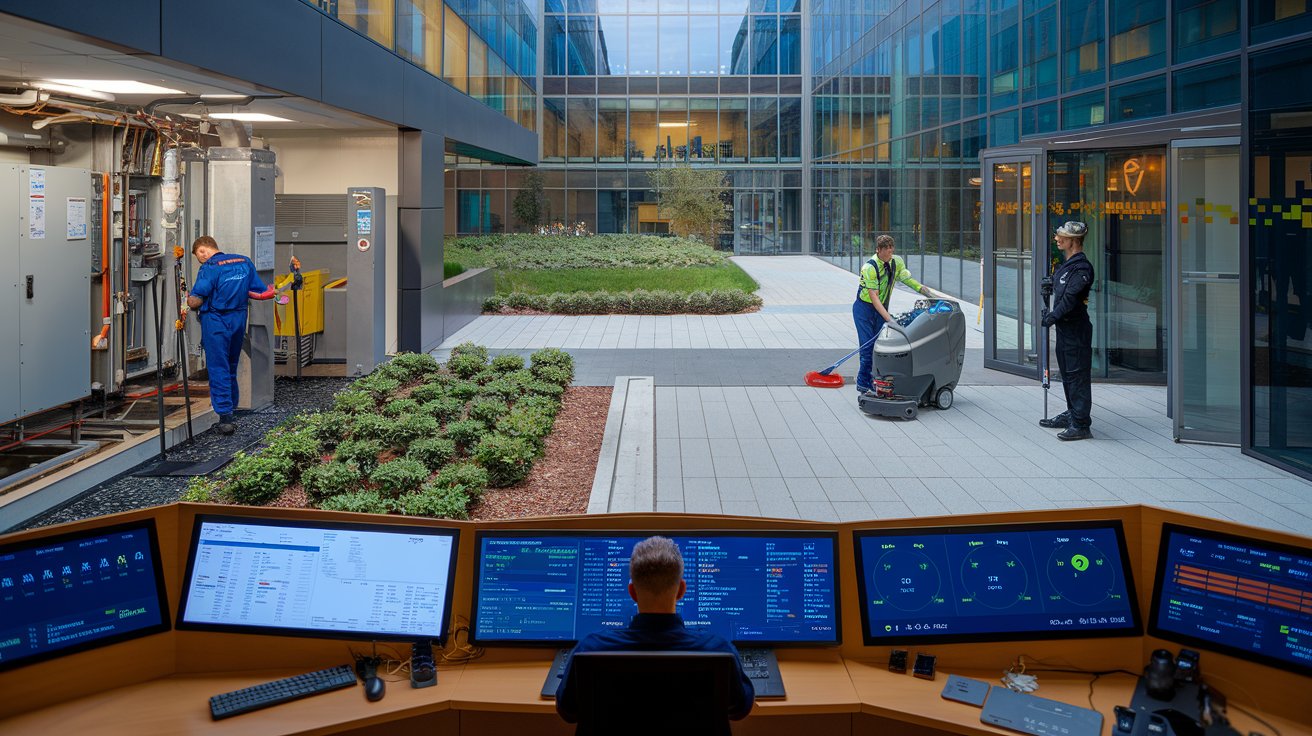
Commercial facility maintenance is a systematic strategy to managing and maintaining a business's physical environment. This comprises the maintenance of the building, its systems, and the surrounding grounds to ensure that everything works properly. The goal is to offer a safe, clean, and efficient working environment for employees and guests while reducing operational disturbances.
Key Components of Commercial Facility Maintenance
- Preventive Maintenance:Preventive maintenance involves regularly scheduled inspections and servicing of equipment and systems to prevent unexpected breakdowns. This proactive approach helps extend the lifespan of assets, reduce repair costs, and ensure compliance with safety regulations.
- Corrective Maintenance:This type of maintenance is performed after a failure occurs. It involves identifying and fixing issues promptly to minimize downtime and restore operations. Having a reliable system in place for corrective maintenance ensures that any problems are addressed quickly and effectively.
- Facility Inspections:Regular inspections are crucial for identifying potential safety hazards and maintenance needs. These inspections should cover all aspects of the facility, including HVAC systems, plumbing, electrical systems, and structural integrity.
- Cleaning and Janitorial Services:A clean environment is essential for employee health and productivity. Commercial facility maintenance includes regular cleaning and janitorial services to ensure that workspaces, restrooms, and common areas are hygienic and well-maintained.
- Grounds Maintenance:Maintaining the exterior of a facility is just as important as the interior. Grounds maintenance involves landscaping, parking lot upkeep, and snow removal to create an inviting and safe environment for customers and employees.
- Security Management:Ensuring the safety of employees and assets is a critical aspect of facility maintenance. This includes managing security systems, access controls, and surveillance cameras to protect against theft and vandalism.
Benefits of Commercial Facility Maintenance
- Increased Operational Efficiency:Regular maintenance reduces the likelihood of unexpected equipment failures, leading to smoother operations. This efficiency translates to enhanced productivity for employees.
- Cost Savings:Investing in preventive maintenance can significantly reduce repair and replacement costs over time. Addressing issues early prevents them from escalating into larger, more expensive problems.
- Enhanced Safety:A well-maintained facility is safer for employees and visitors. Regular inspections and maintenance help identify and mitigate potential hazards, reducing the risk of accidents and injuries.
- Improved Employee Morale:A clean, well-maintained environment positively impacts employee satisfaction and morale. Employees are more likely to be productive in a safe and pleasant workspace.
- Increased Property Value:Consistent maintenance preserves the value of commercial properties. A well-maintained facility is more attractive to potential buyers or tenants and can command higher rental rates.
- Compliance with Regulations:Commercial facilities must adhere to various local, state, and federal regulations. Regular maintenance helps ensure compliance, reducing the risk of legal issues and penalties.
Best Practices for Effective Commercial Facility Maintenance
- Develop a Maintenance Plan:Create a comprehensive maintenance plan that outlines schedules for preventive and corrective maintenance. Include checklists for inspections, cleaning schedules, and documentation of completed work.
- Utilize Technology:Implement facility management software to streamline maintenance processes. These tools can help track work orders, schedule preventive maintenance, and monitor performance metrics in real-time.
- Hire Trained Professionals:Ensure that your maintenance team consists of skilled professionals with the necessary training and certifications. Investing in staff training enhances the quality of maintenance services provided.
- Conduct Regular Training:Provide ongoing training for employees on safety protocols, equipment usage, and emergency procedures. Well-trained employees are crucial for maintaining a safe work environment.
- Evaluate and Adjust:Regularly assess the effectiveness of your maintenance program. Gather feedback from employees, review maintenance records, and make necessary adjustments to improve processes.
Effective commercial facility maintenance is vital for any business striving for operational excellence. By implementing a proactive maintenance strategy, businesses can enhance efficiency, reduce costs, and create a safe and welcoming environment for employees and customers. Embracing best practices and leveraging technology will ensure that your facility operates smoothly, ultimately contributing to the success and growth of your organization.
About Axonator Inc:
At Axonator, our vision is bold and transformative: to mobilize the world. We see a future where businesses and communities are effortlessly interconnected through the power of mobile technology. Our mission is to equip organizations globally with cutting-edge mobile solutions, unlocking new possibilities for innovation, efficiency, and seamless collaboration in every facet of their operations.
Contact:
Axonator Inc. (The World On Mobile)
Austin, TX, USA
USA: +1-716-274-8885
India: +91-8600-032-635
Email: support@axonator.com
Website: https://axonator.com/