In today's fast-paced industrial world, effective facility management is critical for guaranteeing smooth operations, reducing downtime, and increasing profitability. Industrial facility management (IFM) encompasses a wide range of procedures, including preventative maintenance and resource optimisation. In this post, we look at the best practices, benefits, and technology that can help businesses improve their industrial facility management strategies.
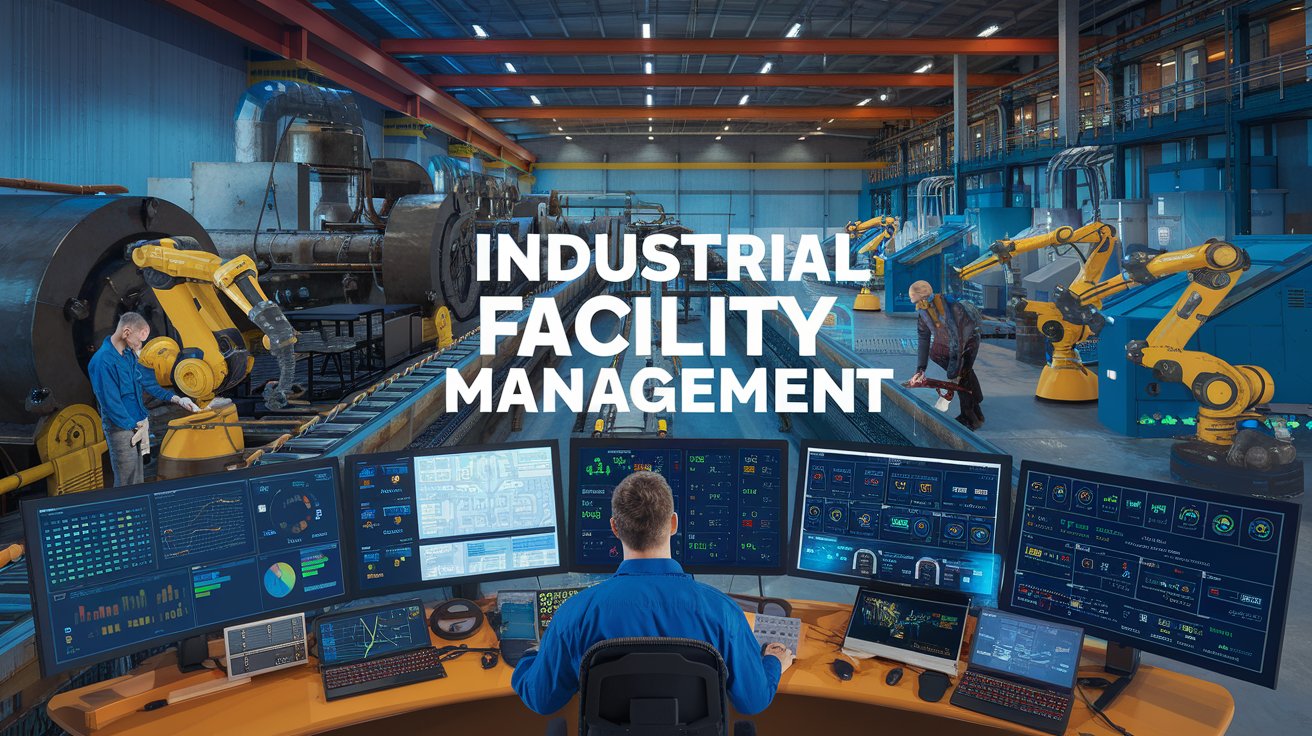
What is Industrial Facility Management?
Industrial facility management is the organisation and maintenance of physical assets and infrastructure in industrial environments. This includes supervising operations, assuring safety and compliance, controlling energy use, and maintaining a clean, efficient workplace. The goal is to provide a productive and safe environment while lowering operational costs.
Key Components of Industrial Facility Management
- Maintenance Management
Proper maintenance is crucial for keeping machinery and equipment functioning efficiently. Preventive and predictive maintenance schedules help avoid costly breakdowns, extend asset life, and reduce production downtime. - Energy Management
Managing energy use efficiently can significantly reduce operational costs. Industrial facilities often have high energy demands, and optimizing energy consumption through smart systems or renewable energy sources can result in substantial savings. - Health and Safety Compliance
Adhering to safety standards is a top priority in industrial facilities. Regular inspections, safety training programs, and ensuring compliance with environmental regulations are vital to preventing accidents and legal issues. - Facility Optimization and Space Management
Space management is critical in ensuring that resources are used effectively. With the right strategies in place, businesses can optimize storage, workspace layout, and facility workflows to increase productivity.
Benefits of Effective Industrial Facility Management
- Cost Reduction
Efficient facility management helps in identifying areas where costs can be reduced, including utility consumption, labor, and maintenance expenses. - Improved Operational Efficiency
By streamlining maintenance and optimizing workflows, industrial operations can run more smoothly, resulting in higher productivity. - Sustainability
Energy-efficient practices and waste reduction initiatives can help industrial facilities move toward sustainability while cutting costs. - Enhanced Employee Productivity
A well-maintained facility leads to a safer, more comfortable, and conducive working environment, positively impacting employee morale and performance.
Book A Free Demo! https://axonator.com/request-for-demo/
Technological Innovations in Industrial Facility Management
- Facility Management Software (CAFM)
Computer-Aided Facility Management (CAFM) systems are essential tools that assist facility managers in tracking, managing, and improving all aspects of facility operations. These systems integrate functions like work order management, asset tracking, and preventive maintenance. - IoT and Smart Sensors
The Internet of Things (IoT) and smart sensors provide real-time data on equipment conditions, energy usage, and overall facility health. This technology allows facility managers to monitor and adjust operations proactively. - Automation and Robotics
Automation in industrial facilities is increasing, reducing the need for manual intervention and streamlining maintenance and operations. Robotics for cleaning, inspections, and basic maintenance tasks are becoming more common.
Best Practices for Industrial Facility Management
- Implement a Preventive Maintenance Program
Scheduling regular inspections and maintenance tasks before they lead to significant issues will help prevent equipment failures and reduce overall downtime. - Train Employees Regularly
Facility management teams should be well-trained in all aspects of safety, compliance, and operational efficiency to ensure they are prepared to handle emergencies and optimize performance. - Use Data Analytics
Analyzing data from sensors and maintenance logs can provide valuable insights that inform decision-making. Predictive analytics can also help in anticipating issues before they occur.
Effective industrial facility management is critical to ensuring a safe, productive, and cost-effective working environment. Industrial organisations can secure long-term success by adopting cutting-edge technologies, using proactive management techniques, and constantly optimising processes. Facility managers who follow these methods will be well-positioned to handle the difficulties of today's industrial landscape..