In the ever-changing world of facilities management, ensuring smooth and efficient operations is critical. Facility managers must remain on top of a range of activities, including routine inspections, maintenance, safety checks, and much more. Traditionally, these duties were managed using paper-based checklists, but with the introduction of digital technology, these checklists have changed the way facility management is approached.
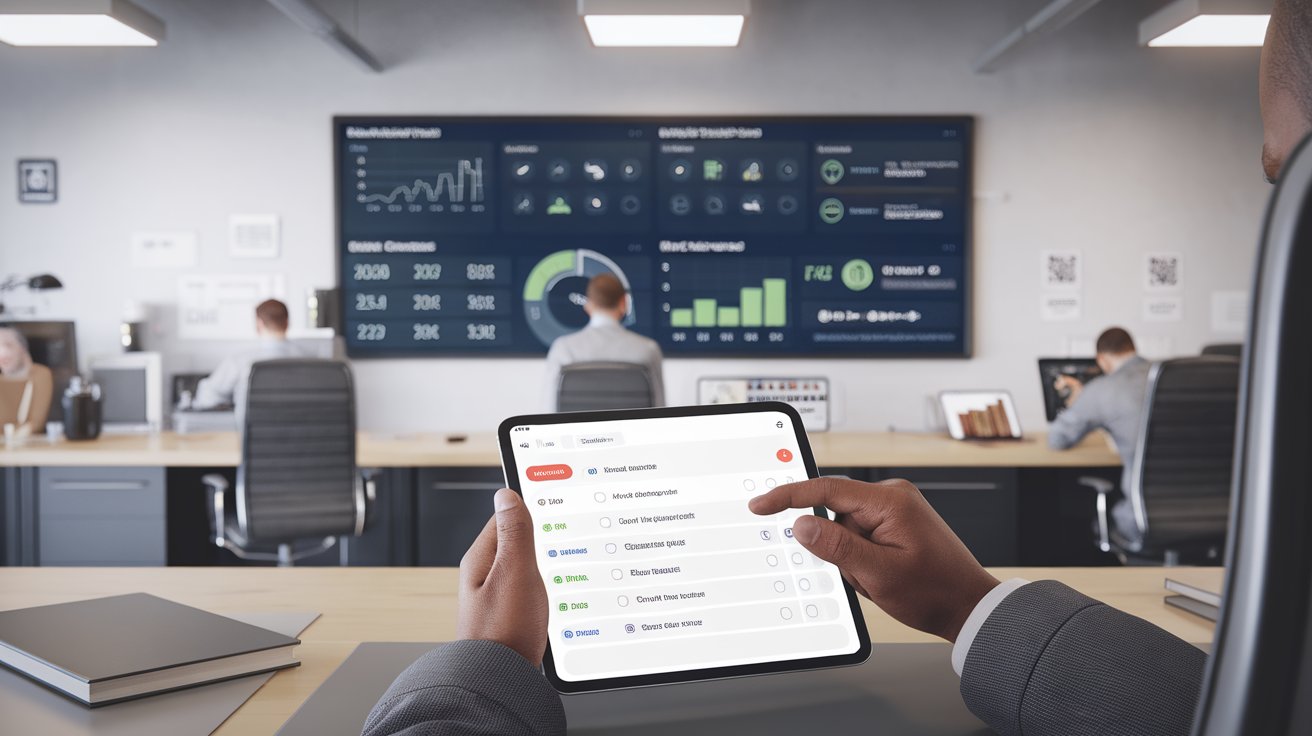
The Rise of Digital Checklists in Facility Management
Digital checklists have quickly become commonplace in the facilities management business. With the transition to digitization, these checklists provide substantial advantages over paper counterparts, making the process more efficient, organized, and error-free.
- Increased AccuracyDigital checklists minimize human errors. Facility managers and their teams can easily follow pre-set criteria and mark off tasks as they go. Automatic data validation and prompt alerts help avoid mistakes that can occur with paper forms.
- Real-Time UpdatesTraditional checklists often had to be manually reviewed and updated. With digital solutions, facility managers can receive real-time updates, ensuring that all tasks are completed as scheduled. In addition, managers can monitor progress instantly, identifying potential bottlenecks early on.
- Improved Data TrackingOne of the key benefits of digital checklists is the ability to store and analyze data. Every action recorded on the digital checklist can be saved to a cloud-based system, allowing facility managers to track historical data, monitor recurring issues, and forecast future needs. This data-driven approach ensures smarter decision-making.
- Streamlined CommunicationCommunication between team members, contractors, and other stakeholders is simplified with digital checklists. Tasks can be assigned and tracked more easily, and team members can access their responsibilities directly through mobile devices. This connectivity reduces the need for constant check-ins and helps improve team collaboration.
Transform Your Workflow – Try Free! https://axonator.com/request-for-demo/
Key Features of Digital Checklists for Facility Management
Several key features of digital checklists make them an essential tool for modern-day facility management:
- Customizable Templates: Facility managers can create customized checklists based on the specific needs of their facilities, ensuring that every task is tailored to the building's operations.
- Multi-Platform Compatibility: Whether on smartphones, tablets, or desktops, digital checklists ensure that facility managers can access their tasks from anywhere.
- Audit Trails: Digital checklists maintain a thorough audit trail, capturing details of each completed task, the team member who completed it, and the timestamp.
- Automated Alerts and Reminders: Managers can set up alerts to ensure tasks are completed on time, reducing the chances of missed deadlines or overlooked maintenance activities.
The Benefits of Using Digital Checklists
- Enhanced Productivity: By automating repetitive tasks and streamlining processes, digital checklists help boost productivity. Facility managers and teams can focus on more strategic tasks, while routine activities are managed efficiently.
- Cost Savings: Digital checklists reduce the need for paper, printing, and storage costs. In addition, by preventing errors and minimizing downtime, facilities save on repairs and maintenance costs.
- Environmental Impact: Going paperless with digital checklists helps contribute to sustainability goals by reducing paper waste and improving the overall carbon footprint of the facility.
Digital checklists are transforming facility management by providing several benefits that streamline processes, decrease errors, and increase overall efficiency. As more firms adopt digital solutions, the role of digital checklists in facility management will expand, providing more efficient ways to manage day-to-day chores. Facility managers that use these technologies will be better able to maintain their buildings, provide exceptional service, and make data-driven decisions that improve the operational and environmental performance of their facilities.