A compliance audit is a thorough assessment and evaluation to ensure that a business follows external laws, regulations, standards, and internal policies. These audits are critical for assuring transparency, minimizing risks, and conducting ethical operations in a variety of industries, including finance, healthcare, manufacturing, and technology.
In this article, we'll explore the concept of compliance audits, their importance, key components, and how organizations can prepare for them.
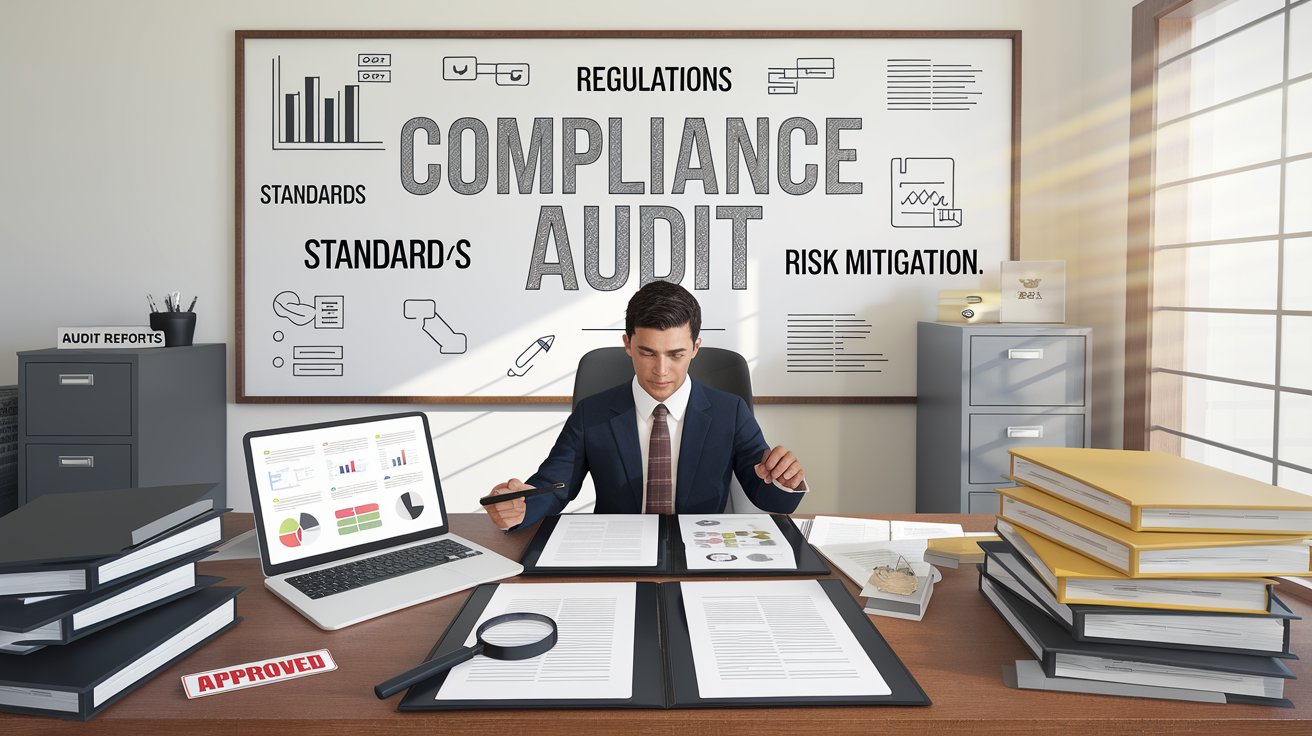
What Is the Purpose of a Compliance Audit?
The primary purpose of a compliance audit is to verify whether an organization is operating within the framework of legal, regulatory, and internal guidelines. These audits aim to:
- Identify Gaps: Highlight areas of non-compliance.
- Mitigate Risks: Reduce the likelihood of penalties, fines, or legal action.
- Enhance Efficiency: Ensure processes align with industry best practices.
- Build Trust: Demonstrate accountability to stakeholders, customers, and regulatory bodies.
Key Types of Compliance Audits
1. Regulatory Compliance Audit
- Ensures adherence to laws such as GDPR, HIPAA, or SOX.
- Common in sectors like healthcare, finance, and data security.
2. Operational Compliance Audit
- Examines internal policies, procedures, and their alignment with organizational goals.
3. Environmental Compliance Audit
- Focuses on adherence to environmental regulations, such as waste management or carbon emission standards.
4. Financial Compliance Audit
- Evaluates the accuracy of financial records and compliance with accounting standards.
The Compliance Audit Process
1. Planning and Preparation
- Define the scope of the audit: Which areas, processes, or departments will be reviewed?
- Assemble the audit team and identify the regulatory frameworks to be assessed.
2. Data Collection
- Gather relevant documentation, such as policies, procedures, and operational data.
- Interview employees to understand the organization’s processes.
3. Evaluation
- Compare collected data against regulations and internal standards.
- Identify gaps, risks, or violations.
4. Reporting
- Prepare a detailed audit report that includes findings, non-compliance areas, and recommendations.
5. Remediation and Follow-Up
- Implement corrective actions to address non-compliance issues.
- Schedule follow-up audits to ensure ongoing compliance.
Schedule Free Demo! https://axonator.com/request-for-demo/
Benefits of Conducting Compliance Audits
- Regulatory Assurance: Demonstrates adherence to laws, reducing the risk of penalties.
- Enhanced Reputation: Builds trust with clients and stakeholders.
- Risk Management: Identifies potential threats and addresses them proactively.
- Operational Improvements: Streamlines processes and fosters a culture of accountability.
Best Practices for a Successful Compliance Audit
- Stay Updated: Keep track of changes in regulations and standards.
- Leverage Technology: Use compliance audit software to automate processes, track progress, and generate reports.
- Train Employees: Educate staff on compliance requirements to ensure they understand their roles.
- Engage Experts: Consult legal or compliance professionals for complex regulatory frameworks.
Challenges in Compliance Audits
- Dynamic Regulations: Staying current with constantly changing laws.
- Data Management: Organizing and analyzing large volumes of information.
- Resource Allocation: Ensuring sufficient time and expertise are devoted to audits.
A compliance audit is an important tool for firms that want to maintain legal and ethical standards. These audits not only avert legal ramifications by finding areas for improvement and guaranteeing regulatory compliance, but they also build a culture of transparency and accountability.
With adequate preparation, the correct tools, and a dedication to continuous improvement, organizations can use compliance audits to achieve operational excellence while also developing long-term trust with stakeholders.
About Axonator Inc:
At Axonator, our vision is bold and transformative: to mobilize the world. We see a future where businesses and communities are effortlessly interconnected through the power of mobile technology. Our mission is to equip organizations globally with cutting-edge mobile solutions, unlocking new possibilities for innovation, efficiency, and seamless collaboration in every facet of their operations.
Contact:
Axonator Inc. (The World On Mobile)
Austin, TX, USA
USA: +1-716-274-8885
India: +91-8600-032-635
Email: support@axonator.com
Website: https://axonator.com/