In today's rapidly growing urban environments, city facilities management (CFM) has emerged as a crucial function for sustaining citizens' quality of life, assuring the smooth functioning of municipal services, and promoting sustainable development. From infrastructure maintenance to resource management, city facilities managers face a wide range of difficulties that necessitate innovative, integrated solutions. This article investigates the function of municipal facilities management in contemporary urban planning and how technology is revolutionizing the industry.
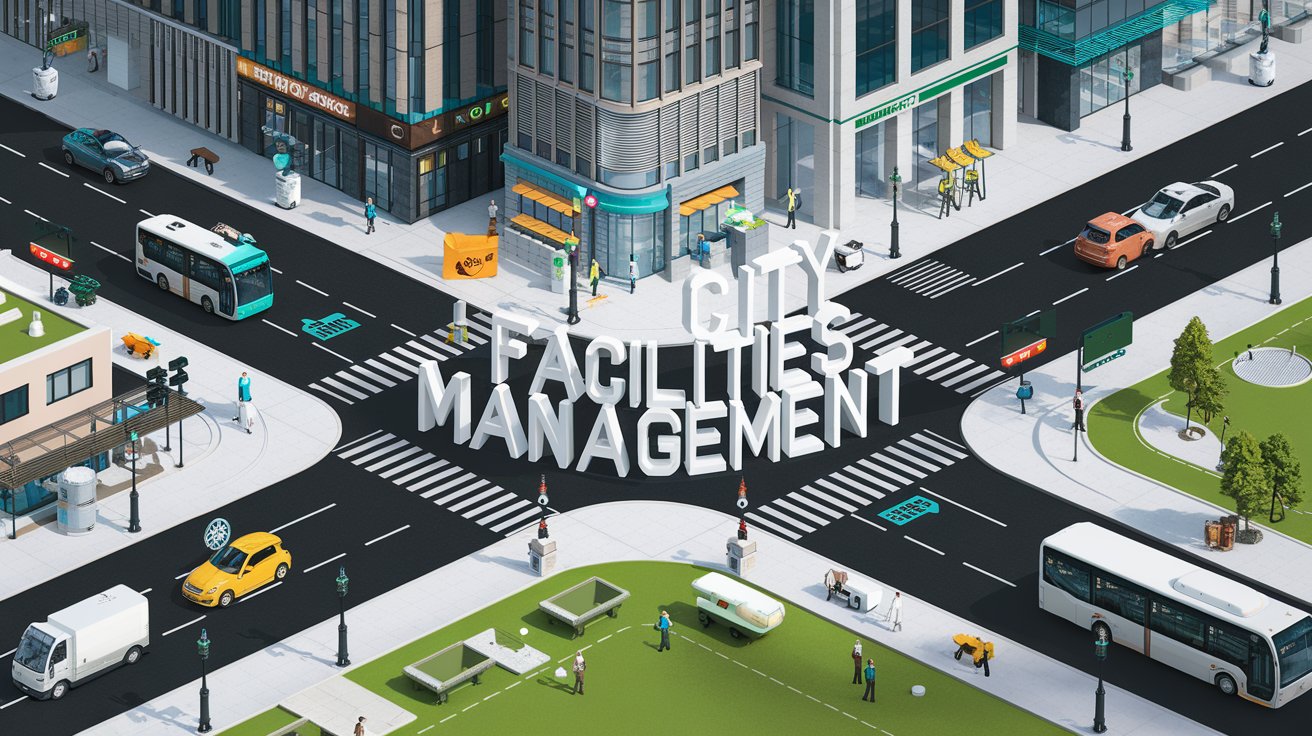
What is City Facilities Management?
City Facilities Management is the coordination and management of all physical infrastructure, systems, and services that a city requires to run properly. This can range from the maintenance of public buildings, roads, and utilities to the administration of safety services and environmental sustainability projects. municipal facilities managers are in charge of ensuring that all of these components function together smoothly, lowering costs, boosting efficiency, and enhancing overall municipal living standards.
Key Aspects of City Facilities Management
- Infrastructure Maintenance
A primary responsibility for city facilities managers is the maintenance of the city's infrastructure, such as roads, public buildings, and bridges. Regular inspection and preventive maintenance can prevent costly repairs and ensure safety for residents. - Energy and Resource Management
Efficient management of energy use, water, and waste is vital for sustainable city living. With the rising importance of environmental issues, many cities are adopting "smart" technologies that monitor and manage energy consumption, reduce waste, and promote recycling. - Safety and Security
Ensuring public safety is a critical aspect of city facilities management. This includes managing fire safety systems, emergency response plans, and building security, all of which require constant monitoring and upkeep. - Urban Mobility
The transportation system within a city is another key component managed under city facilities. Ensuring that roads are well-maintained, public transport is efficient, and traffic is well-regulated contributes directly to the livability of the city. - Sustainability and Environmental Impact
Cities today are placing more emphasis on sustainability. Facilities management is increasingly focused on reducing carbon footprints, promoting energy-efficient practices, and integrating renewable energy sources in city infrastructure.
Technology in City Facilities Management
One of the most significant advancements in city facilities management is the adoption of smart technologies. The integration of IoT devices, sensors, and AI in urban infrastructure allows for real-time monitoring and predictive maintenance. Some examples include:
- Smart Buildings: Buildings equipped with automated systems for temperature control, lighting, and waste management.
- IoT Sensors: Sensors embedded in city infrastructure that track everything from air quality to traffic flow.
- CMMS Software: Computerized Maintenance Management Systems (CMMS) help streamline maintenance operations, track asset performance, and ensure timely repairs.
By leveraging these technologies, cities can not only reduce operational costs but also create smarter, more sustainable urban environments.
The Challenges of City Facilities Management
While technology provides several advantages, it also creates difficulties. Cities must deal with high initial expenditures for deploying these systems, data security concerns, and the necessity for experienced individuals to operate modern technologies. Furthermore, integrating new technologies with legacy infrastructure might be challenging.
Best Practices for Effective City Facilities Management
- Adopt a Preventive Maintenance Approach
Regular inspection and maintenance can prevent expensive repairs in the future. Preventive maintenance also helps extend the lifespan of city assets and improve the overall service quality. - Invest in Training and Skills Development
As technology evolves, facilities management professionals must be equipped with the skills needed to operate advanced systems. Training is crucial to ensure smooth operations and efficiency. - Embrace Sustainability
Sustainable practices should be incorporated into every aspect of facilities management. From energy-efficient buildings to sustainable waste management systems, cities must prioritize long-term environmental impact. - Leverage Data for Decision Making
Data analytics can provide valuable insights into the performance of city systems. By using data-driven decision-making, facilities managers can optimize operations and make informed choices about resource allocation.
As cities expand and adapt, the demand for good facility management will only grow. By embracing technology, implementing best practices, and prioritizing sustainability, city facilities managers can ensure that urban settings remain livable, efficient, and resilient. The future of municipal facilities management lies in resource integration and adaptability to the needs of a continually changing urban setting.