In the highly regulated and competitive pharmaceutical sector, robust quality management systems are essential. Total Quality Management (TQM) has arisen as a strategic strategy focused on continual improvement and customer satisfaction. This article looks at the fundamentals of TQM, its importance in the pharmaceutical industry, and best practices for successful adoption.
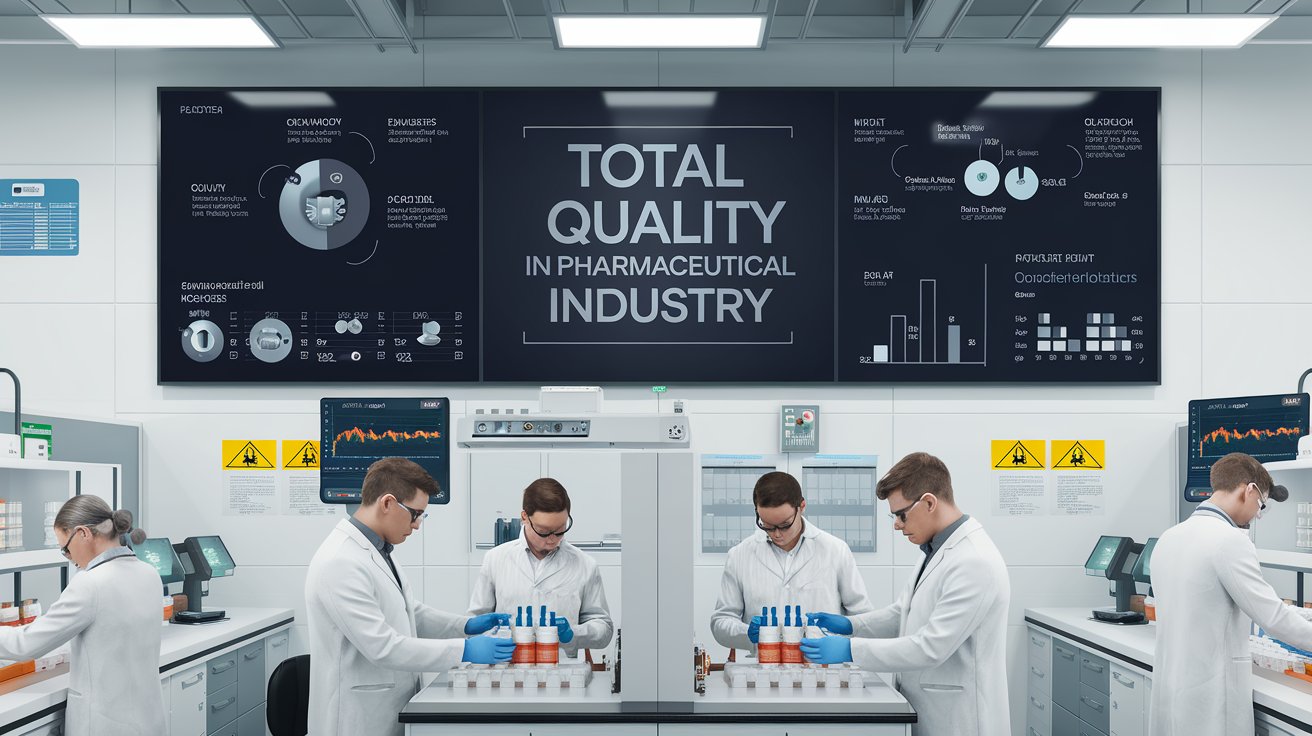
What is Total Quality Management?
Total Quality Management (TQM) is a complete management technique that aims to improve quality and performance throughout all organizational operations. TQM entails the engagement of all employees in an organization and is centered on long-term success via customer satisfaction. Its core principles include:
- Customer Focus: Understanding and meeting customer needs is the primary goal.
- Continuous Improvement: Ongoing efforts to enhance products, services, and processes.
- Employee Involvement: Engaging all employees in the improvement process.
- Process Approach: Emphasizing the importance of efficient processes in achieving desired outcomes.
- Data-Driven Decision Making: Using data and metrics to guide improvements.
Significance of TQM in the Pharmaceutical Industry
- Regulatory Compliance: The pharmaceutical industry is subject to stringent regulations by authorities such as the FDA and EMA. TQM helps ensure that companies adhere to these regulations, thereby minimizing the risk of non-compliance and associated penalties.
- Product Quality and Safety: TQM emphasizes quality at every stage of the production process, ensuring that pharmaceuticals meet high safety standards. This is crucial for protecting public health and maintaining trust in pharmaceutical products.
- Operational Efficiency: By streamlining processes and reducing waste, TQM helps pharmaceutical companies improve their operational efficiency. This can lead to cost savings and faster time-to-market for new drugs.
- Enhanced Customer Satisfaction: TQM’s focus on customer needs ensures that pharmaceutical companies produce high-quality products that meet patient requirements, ultimately leading to increased customer loyalty and satisfaction.
Implementing TQM in the Pharmaceutical Industry
To effectively implement TQM in the pharmaceutical sector, companies can follow these best practices:
- Establish a Quality Culture: Creating a culture that prioritizes quality involves leadership commitment and clear communication of the importance of quality management throughout the organization.
- Training and Development: Invest in ongoing training programs for employees at all levels to equip them with the necessary skills and knowledge to contribute to quality improvement initiatives.
- Cross-Functional Teams: Form cross-functional teams to tackle quality-related challenges. Diverse perspectives can lead to innovative solutions and improved processes.
- Continuous Improvement Programs: Implement structured continuous improvement programs, such as Six Sigma or Lean methodologies, to identify inefficiencies and enhance quality across all processes.
- Customer Feedback Mechanisms: Establish systems for collecting and analyzing customer feedback. This information can guide improvements and ensure that products meet market needs.
- Regular Audits and Assessments: Conduct regular quality audits to evaluate the effectiveness of TQM initiatives. Use these assessments to identify areas for improvement and adjust strategies accordingly.
Challenges in Implementing TQM
While TQM offers numerous benefits, implementing it in the pharmaceutical industry can pose challenges, such as:
- Resistance to Change: Employees may be resistant to adopting new processes and practices. Overcoming this resistance requires effective communication and training.
- Complex Regulatory Environment: Navigating the complex landscape of regulatory compliance can be daunting. Organizations must ensure that TQM practices align with regulatory requirements.
- Resource Constraints: Implementing TQM may require significant investment in training, technology, and process improvements. Companies need to allocate resources wisely to support these initiatives.
Total Quality Management is crucial in the pharmaceutical industry to provide high-quality products, regulatory compliance, and customer satisfaction. Pharmaceutical companies can enhance their operations and achieve long-term success by instilling a quality culture, investing in employee training, and implementing continuous improvement initiatives. In today's fast-changing corporate environment, embracing TQM is no longer an option, but rather a need for offering safe and effective healthcare solutions.