Facility management is a diverse profession that involves careful planning, regular inspections, and prompt action. One of the most critical components of facility management is to conduct frequent inspections to ensure that everything is working properly. While old paper-based methods remain in use, current technology, such as facility inspection apps, is altering the sector by improving inspection efficiency, accuracy, and actionability.
In this post, we'll look at the benefits of a facility inspection app, how it may improve the facility management process, and why it's an essential tool for any facility manager or team.
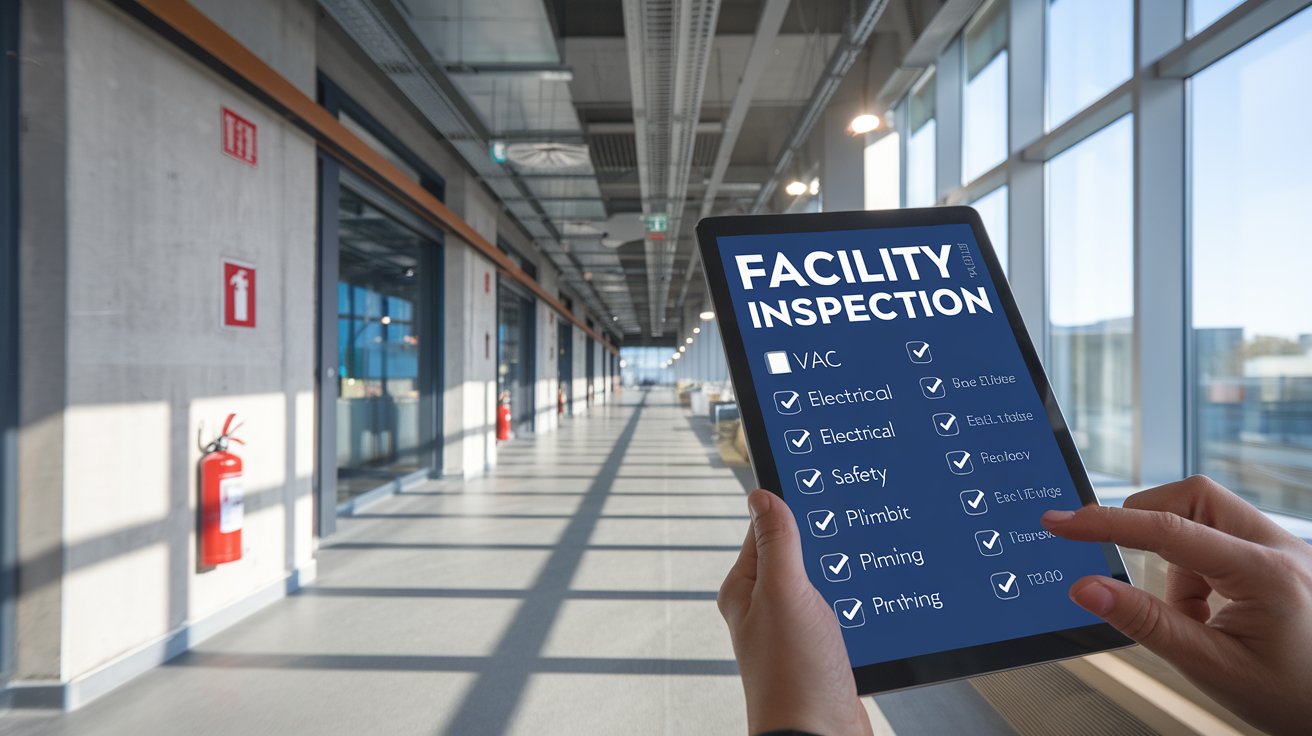
What is a Facility Inspection App?
A facility inspection app is a mobile or tablet-based application that simplifies the inspection process for commercial, industrial, and residential properties. The app enables users to conduct digital inspections by taking data, photographs, and even notes right within the app. Facility inspection applications can be tailored to individual requirements, including safety inspections, equipment checks, maintenance reviews, and regulatory compliance audits.
Why You Need a Facility Inspection App
Facility inspection apps offer several advantages over traditional paper-based systems or spreadsheets. Here's why they are becoming an indispensable tool in facility management:
1. Streamlined Workflow
A facility inspection app centralizes all inspection data into one easy-to-access platform. Whether inspecting HVAC systems, fire safety equipment, or general building conditions, inspectors can complete their tasks more efficiently with fewer steps. The app allows them to:
- Complete checklists and forms digitally
- Attach photos, videos, and notes to specific items or locations
- Flag issues in real-time for immediate follow-up
2. Real-Time Reporting
One of the biggest challenges of traditional inspection methods is the delay in reporting and data entry. With a facility inspection app, everything is uploaded and processed instantly. Facility managers can access real-time data, identify potential issues, and take action immediately, reducing downtime and preventing larger, costly problems from developing.
3. Improved Accuracy
Manual data entry is prone to human error. A facility inspection app ensures that all data is captured accurately and in real-time, which reduces mistakes and oversight. Whether it's checking compliance with safety regulations or conducting routine maintenance checks, inspectors can rely on the app to ensure that no detail is missed.
4. Easier Compliance Tracking
Staying on top of industry regulations and internal policies is essential in facility management. Many apps come with built-in compliance templates for inspections related to health and safety, fire safety, and environmental regulations. These templates help ensure that inspections are thorough, consistent, and in line with current laws and industry standards.
5. Cost-Effective
By reducing the need for paper-based systems, rework due to inaccurate data, and improving efficiency, facility inspection apps can help cut costs over time. The ability to quickly identify and resolve issues also helps avoid larger maintenance expenses that can arise from neglected problems.
Features to Look for in a Facility Inspection App
When choosing a facility inspection app, here are some key features to consider:
1. Customizable Checklists
Every facility has its own unique inspection needs. A good app should allow you to create customized checklists that cater to your specific requirements, whether that’s daily inspections, monthly equipment checks, or seasonal maintenance.
2. Offline Capabilities
Field inspections often occur in locations with limited or no internet access. A facility inspection app with offline capabilities ensures that you can continue inspections and sync data once you’re back online.
3. Task Assignment and Tracking
Facility managers should be able to assign tasks to team members directly within the app and track progress. This feature improves accountability and ensures that no task goes unnoticed.
4. Integration with Other Systems
The ability to integrate with other facility management systems (CMMS, ERP, etc.) ensures that inspection data can be easily transferred to maintenance, asset management, and other workflows.
5. Analytics and Reporting
Data is powerful, and a good facility inspection app should offer in-depth reporting and analytics. With insights on trends, recurring issues, and performance metrics, facility managers can make informed decisions about maintenance schedules and budget allocations.
Reimagine Your Operations—Try Our Demo Today! https://axonator.com/request-for-demo/
Use Cases for Facility Inspection Apps
1. Building Safety Inspections
Facility managers use the app to inspect fire extinguishers, smoke detectors, emergency exits, and other critical safety systems. The app ensures that each inspection is performed according to safety standards and recorded accurately.
2. Maintenance Inspections
For routine maintenance, the app can track the condition of HVAC systems, plumbing, electrical systems, and other assets. Facility managers can use the app to monitor maintenance schedules, log work completed, and schedule repairs.
3. Environmental Inspections
Environmental regulations are crucial for facility operations, especially for commercial buildings. The app can help track inspections related to air quality, energy usage, water systems, and waste disposal.
4. Asset Inspections
A facility inspection app is perfect for managing and tracking the condition of assets such as equipment, machinery, and infrastructure. Using the app, maintenance teams can quickly identify issues with assets and schedule repairs before they break down.
Revolutionizing Facility Management with Technology
In today's fast-paced environment, efficiency and precision are critical in facility management. A facility inspection app is an effective tool for streamlining inspection workflows, improving compliance tracking, and providing real-time reporting—all from the convenience of a mobile device.
Adopting this technology saves time and money while also ensuring that your facility is safe, compliant, and well-maintained. With the proper app, you can improve the overall efficiency of your facilities management process by making it more structured, transparent, and proactive.