In today's fast-paced world, sustaining quality in all parts of company, from manufacturing to customer service, is critical. A quality checklist is an effective tool for organizations to maintain consistency, efficiency, and high standards in their processes. In this post, we will look at what a quality checklist is, why it is important, and how organizations can use it effectively to enhance their operations.
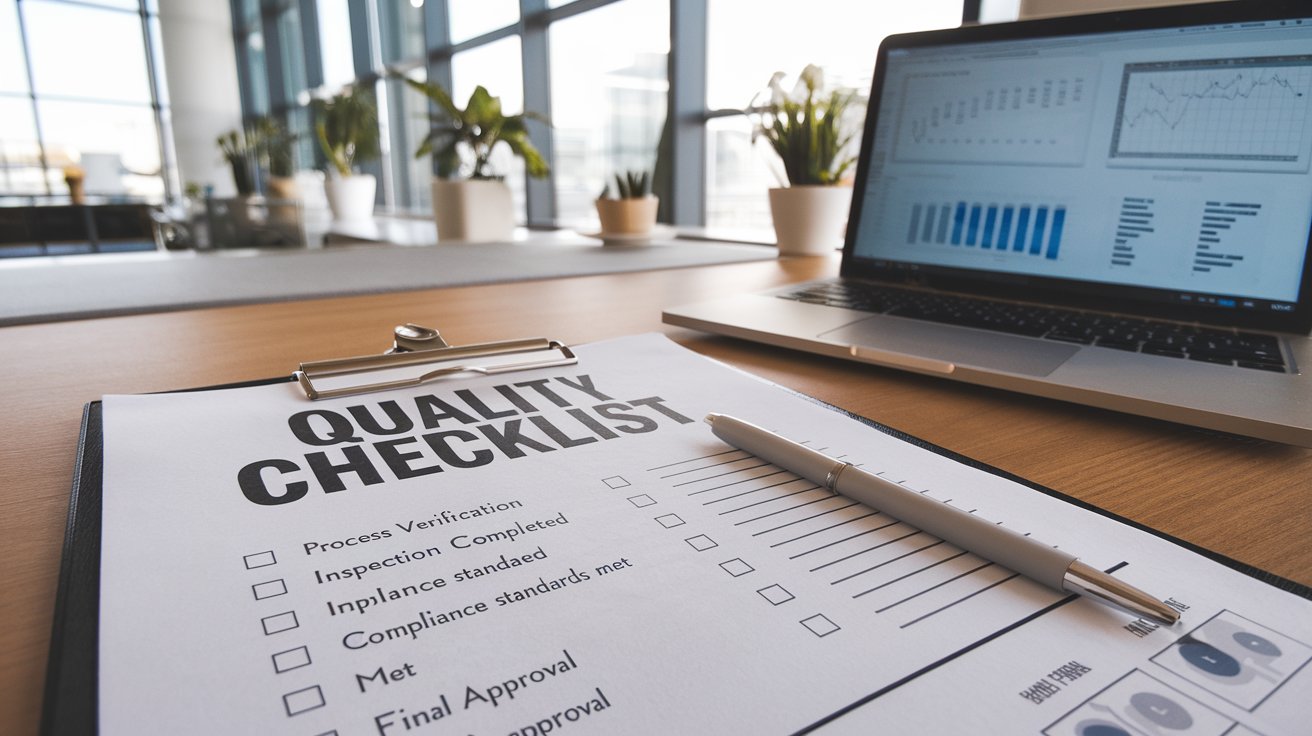
What is a Quality Checklist?
A quality checklist is a specified list of criteria, tasks, or standards that must be met throughout a process or project. It serves as a guide, ensuring that all necessary processes are done and that any potential problems or quality failures are avoided. Quality checklists are used in a variety of industries, including manufacturing, construction, healthcare, and software development.
Why is a Quality Checklist Important?
A quality checklist is essential for several reasons:
- Consistency: It ensures that the same standards and procedures are followed every time, leading to more consistent results.
- Efficiency: By clearly outlining tasks and steps, checklists help workers stay focused and organized, reducing time wasted on mistakes or omissions.
- Compliance: Many industries require adherence to strict standards. A quality checklist helps ensure compliance with these standards, avoiding legal or regulatory issues.
- Improved Quality Control: It allows businesses to catch potential errors before they escalate into major problems.
- Documentation: Checklists provide a clear record of what has been done, which is useful for auditing or quality assurance purposes.
How to Create an Effective Quality Checklist
Creating an effective quality checklist involves the following steps:
- Define Objectives: What are the goals of the checklist? What do you want to achieve?
- Identify Key Areas: Break down the process into key steps or areas that need to be checked for quality.
- Set Clear Criteria: For each step, define what constitutes acceptable quality. Be specific and measurable.
- Make It User-Friendly: Ensure that the checklist is easy to follow, with clear instructions and a logical flow.
- Review and Revise: Regularly review the checklist to ensure it remains relevant and effective as processes evolve.
Best Practices for Using a Quality Checklist
- Train Employees: Ensure that all team members understand how to use the checklist properly.
- Update Regularly: As procedures or regulations change, update the checklist to reflect new requirements.
- Track Progress: Use the checklist to track performance and identify areas for improvement.
- Feedback Loop: Encourage feedback from workers who use the checklist to improve it over time.
Quality checklists are a basic yet effective tool for firms who want to maintain high standards and consistency. Companies may dramatically improve their quality control processes, minimize errors, and increase customer satisfaction by developing clear, actionable checklists and incorporating them into their daily operations. A quality checklist is more than simply a list; it is an essential tool in the pursuit of excellence.