In the construction industry, safety is critical. Every project has inherent risks, and effective safety management is critical to protecting workers and ensuring regulatory compliance. A construction safety inspection report is a valuable tool for identifying potential hazards, evaluating safety standards, and ensuring a safe working environment. This article discusses the objective, components, and best practices for performing construction safety inspections.
What is a Construction Safety Inspection Report?
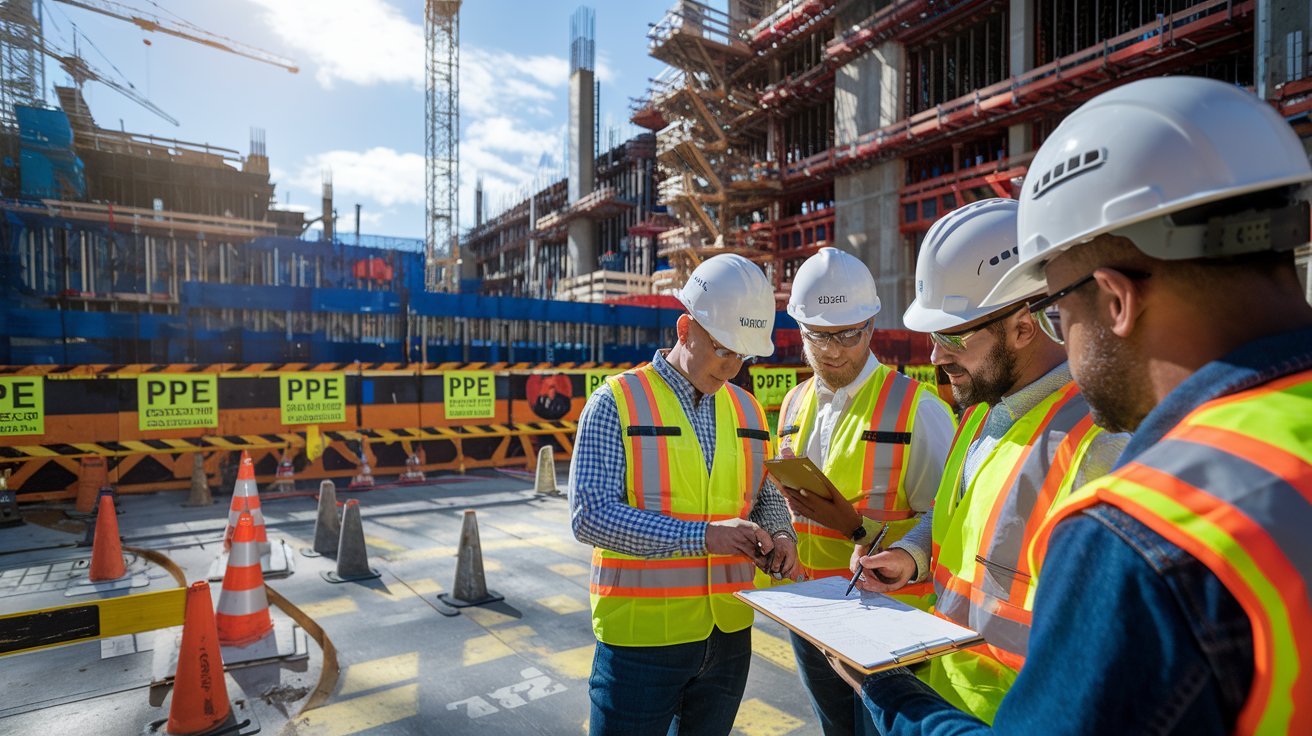
A construction safety inspection report is a formal document that summarizes the results of a safety inspection performed on a construction site. These reports, usually generated by safety specialists or designated staff, are critical for tracking compliance with safety requirements, identifying hazards, and recommending corrective actions.
Why Are Safety Inspection Reports Important?
- Risk Identification: Safety inspections help identify potential hazards before they lead to accidents. Regular inspections allow teams to address issues proactively rather than reactively.
- Regulatory Compliance: Construction sites must adhere to various safety regulations set by governmental bodies. A safety inspection report ensures compliance with these regulations, minimizing legal liabilities and penalties.
- Improved Communication: Inspection reports serve as a communication tool between management and workers. They provide clarity on safety protocols, expectations, and areas that require attention.
- Documentation: Maintaining a record of safety inspections is essential for audits and safety reviews. These reports serve as evidence of a company’s commitment to safety and its efforts to maintain a safe work environment.
- Continuous Improvement: Regular safety inspections lead to continuous improvement in safety practices. By analyzing trends in safety reports, organizations can identify recurring issues and implement long-term solutions.
Take the Leap—Schedule Your Interactive Demo! https://axonator.com/request-for-demo/
Key Components of a Construction Safety Inspection Report
A comprehensive construction safety inspection report typically includes the following elements:
- General Information: This section includes the date of the inspection, the name of the inspector, the location of the site, and the names of personnel present during the inspection.
- Inspection Checklist: A detailed checklist that covers various safety aspects such as personal protective equipment (PPE), machinery and equipment safety, scaffolding, fall protection systems, and site housekeeping.
- Findings: This section outlines identified hazards or non-compliance issues. Each finding should include a description of the issue, its potential impact, and any relevant regulations that are being violated.
- Recommendations: After identifying issues, the report should provide recommendations for corrective actions. This may include immediate measures to rectify hazards, as well as long-term strategies for prevention.
- Signatures: The report should be signed by the inspector and a site manager or supervisor to confirm acknowledgment of the findings and recommendations.
Best Practices for Conducting Construction Safety Inspections
- Develop a Clear Inspection Plan: Establish a systematic approach to inspections, detailing frequency, areas to cover, and personnel involved. Consistency is key to effective safety management.
- Involve All Stakeholders: Encourage participation from all team members, including workers and supervisors. Their input can provide valuable insights into site-specific hazards and safety practices.
- Utilize Technology: Leverage technology for inspections by using digital checklists, mobile apps, and real-time reporting. This can streamline the inspection process and improve accuracy.
- Provide Training: Ensure that inspectors are trained in hazard recognition and safety regulations. A well-trained team can identify and address issues more effectively.
- Follow Up on Recommendations: After inspections, ensure that all recommended actions are implemented promptly. Follow-up inspections can verify that issues have been resolved and prevent future occurrences.
- Encourage a Safety Culture: Promote a culture of safety within the organization. Encourage open communication about safety concerns and celebrate successes in maintaining a safe work environment.
Your Journey Starts Here—Try It Live! https://axonator.com/artifact/construction-safety-inspection-report/
Construction safety inspection reports are critical tools for maintaining a safe working environment in the construction sector. These reports help construction projects succeed by identifying dangers, maintaining compliance, and establishing a safe culture. Implementing best practices for safety inspections not only protects workers, but also increases productivity and reduces the expenses associated with accidents and injuries.
Regularly conducting and analyzing construction safety inspection reports is not only a legislative requirement, but also a fundamental responsibility that every construction organization should accept for the well-being of its employees and the success of its projects.
About Axonator Inc:
At Axonator, our vision is bold and transformative: to mobilize the world. We see a future where businesses and communities are effortlessly interconnected through the power of mobile technology. Our mission is to equip organizations globally with cutting-edge mobile solutions, unlocking new possibilities for innovation, efficiency, and seamless collaboration in every facet of their operations
Contact:
Axonator Inc. (The World On Mobile)
Austin, TX, USA
USA: +1-716-274-8885
India: +91-8600-032-635
Email: support@axonator.com
Website: https://axonator.com/