In today's fast-paced corporate environment, good facility management is more critical than ever. Integrated Facility Management (IFM) combines several services and activities into a single integrated plan, allowing organizations to streamline procedures, cut costs, and increase efficiency. But what exactly does IFM include, and how can it help enterprises across industries?
What is Integrated Facility Management (IFM)?
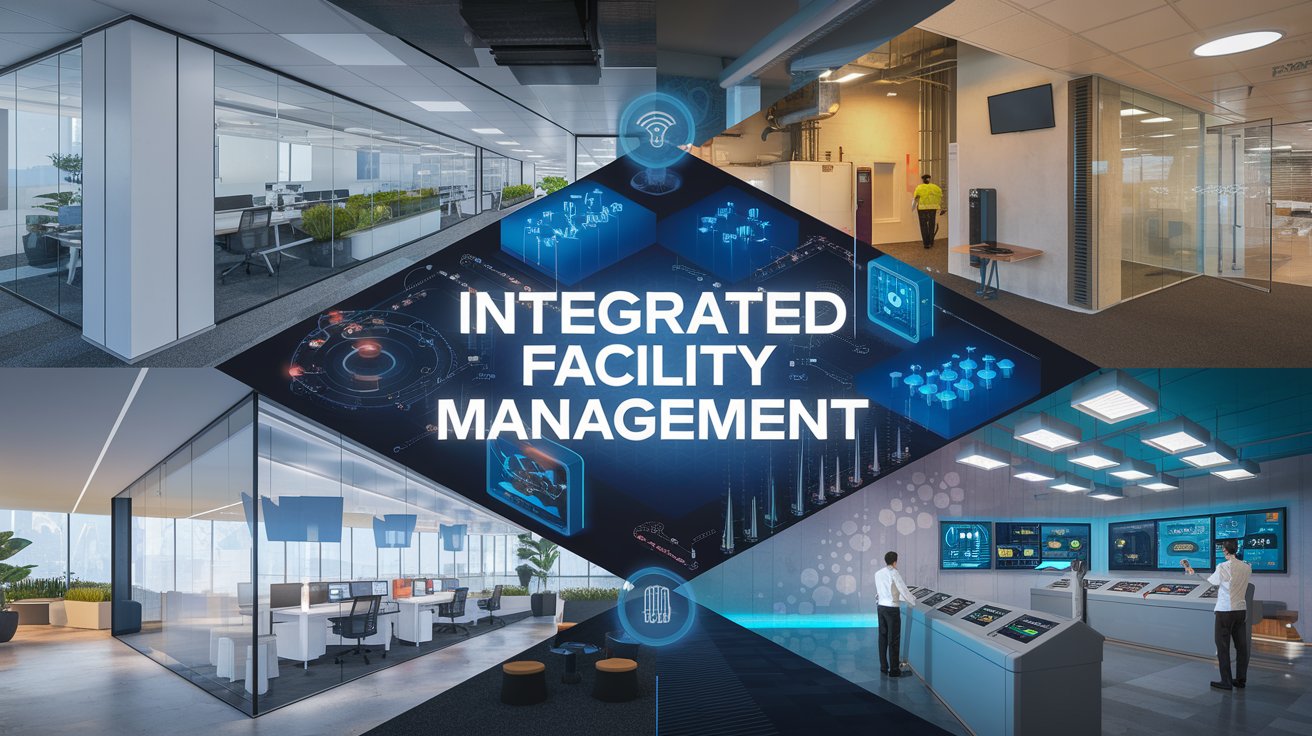
Integrated Facility Management is a complete strategy to managing and overseeing the whole lifespan of a facility's services and operations. This encompasses everything from maintenance and energy management to security and space optimization. By merging these elements into a single framework, IFM guarantees that all aspects of facility management work in tandem, improving operational performance as well as tenant and employee satisfaction.
Key Components of IFM
- Maintenance and Repairs: IFM covers regular maintenance tasks, ensuring that facilities are safe, functional, and up to code. Predictive and preventive maintenance strategies are incorporated to minimize downtime and costly emergency repairs.
- Energy Management: An essential component of IFM is optimizing energy usage, reducing costs, and ensuring sustainability. This involves tracking energy consumption, implementing energy-efficient practices, and ensuring compliance with environmental regulations.
- Space Planning and Optimization: Effective space utilization can improve productivity, reduce overheads, and enhance employee satisfaction. IFM solutions help in optimizing layouts and managing space needs in real-time.
- Security and Safety: Integrated Facility Management ensures that security protocols are efficiently coordinated, covering everything from surveillance systems to emergency preparedness and risk management.
- Vendor Management: By consolidating multiple service providers under one management umbrella, IFM helps streamline contracts, improve service levels, and ensure consistency across the board.
Why is Integrated Facility Management Important?
- Cost Reduction: By consolidating multiple functions into a single management system, organizations can realize significant cost savings through bulk purchasing, reduced administrative overhead, and greater efficiency.
- Enhanced Operational Efficiency: An integrated system provides a central point of control, ensuring that all services and operations are aligned. This reduces the complexity of managing multiple vendors and service providers.
- Sustainability and Compliance: Effective energy management and waste reduction strategies can be integrated into facility management practices, helping organizations meet sustainability goals and comply with regulations.
- Improved Employee and Tenant Experience: Facilities that are well-maintained, secure, and optimized for functionality contribute to higher satisfaction and productivity among employees and tenants alike.
Request A Free Demo! https://axonator.com/request-for-demo/
The Role of Technology in IFM
Integrated Facility Management has become even more efficient as technology has advanced. IFM operations are currently being automated and streamlined using tools such as Computerized Maintenance Management Systems (CMMS), Building Management Systems (BMS), and Internet of Things sensors. These technologies enable real-time monitoring, predictive maintenance, and data-driven decision-making, resulting in more proactive and responsive facility management.
Challenges in Implementing IFM
Despite the numerous benefits, adopting an Integrated Facility Management system can be difficult. Organizations must manage the integration of many systems, deal with legacy infrastructure, and ensure that all stakeholders are on board with the new processes. However, the long-term benefits frequently outweigh the drawbacks, making the investment worthwhile.
Integrated Facility Management is no longer a luxury; it is a must for businesses seeking to remain competitive in a rapidly changing landscape. IFM provides a strategic edge to organizations by boosting efficiency, lowering costs, and increasing sustainability. Whether you manage a single facility or a portfolio of properties, now is the moment to adopt integrated management.