In the construction industry, safety is critical. With so many possible hazards on job sites, having a comprehensive safety audit checklist is critical for assuring regulatory compliance, reducing risks, and establishing a safety culture among employees. This article will look at the essential components of a construction safety audit checklist, why it's important, and how to use it successfully to improve worker safety.
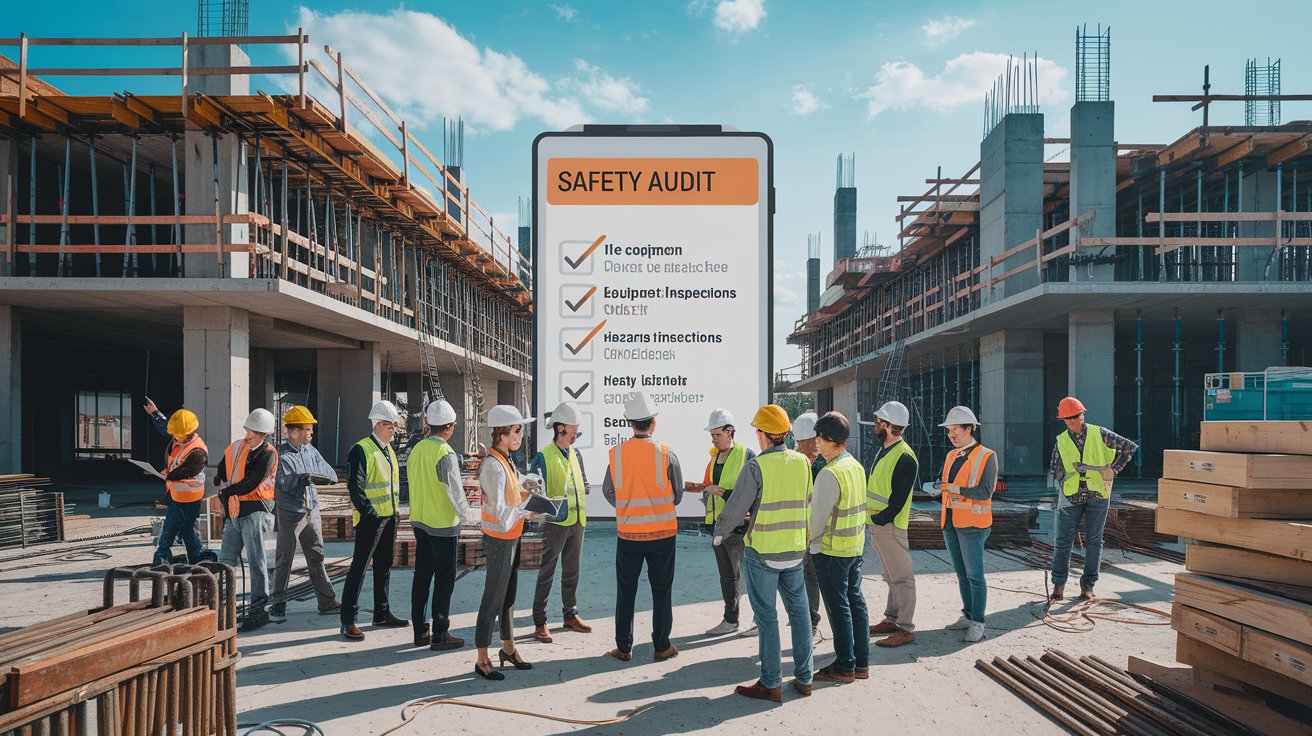
Why Is a Construction Safety Audit Checklist Important?
- Regulatory Compliance: Adhering to safety regulations is not just a legal obligation but also a moral responsibility. A safety audit checklist ensures that all safety measures are in place to comply with Occupational Safety and Health Administration (OSHA) standards and other relevant regulations.
- Risk Mitigation: Construction sites are inherently hazardous. Regular audits help identify potential risks before they lead to accidents, allowing for timely interventions and the implementation of control measures.
- Increased Awareness: A well-structured checklist promotes awareness among workers regarding safety practices and procedures. It empowers them to recognize hazards and engage in safe work behaviors.
- Improved Productivity: Safe worksites lead to fewer accidents, which in turn minimizes downtime. When employees feel safe, they can focus on their tasks more effectively, enhancing overall productivity.
- Cultural Shift: Regular safety audits foster a culture of safety within the organization, encouraging workers to prioritize safety and speak up about concerns without fear of retaliation.
Discover How We Can Elevate Your Workflow—Start Your Demo! https://axonator.com/request-for-demo/
Key Components of a Construction Safety Audit Checklist
A comprehensive construction safety audit checklist should include the following key components:
1. Site Conditions:
- Are walkways and work areas clear of debris and obstacles?
- Is proper signage displayed to indicate hazards?
- Are emergency exits easily accessible and clearly marked?
2. Personal Protective Equipment (PPE):
- Are all workers wearing appropriate PPE, such as helmets, gloves, eye protection, and high-visibility vests?
- Is PPE regularly inspected and maintained?
3. Equipment Safety:
- Are all tools and machinery inspected before use?
- Are safety guards and devices installed and functioning properly?
- Are operators trained and certified for equipment use?
4. Hazardous Materials:
- Are Material Safety Data Sheets (MSDS) available and accessible for hazardous substances?
- Is proper storage and labeling of hazardous materials in place?
- Are spill kits readily available for emergencies?
5. Fall Protection:
- Are guardrails, safety nets, or personal fall arrest systems installed where necessary?
- Are employees trained in fall protection procedures?
6. Emergency Procedures:
- Are emergency response plans in place and communicated to all workers?
- Are first aid kits readily available and stocked?
- Are fire extinguishers accessible and regularly inspected?
7. Training and Communication:
- Are workers trained on safety protocols, hazard recognition, and emergency procedures?
- Is there a system for reporting safety concerns or incidents?
Experience Real-Time Results—Click to Go Live! https://axonator.com/artifact/construction-safety-audit-checklist/
Implementing the Construction Safety Audit Checklist
To effectively implement a construction safety audit checklist, consider the following steps:
- Customize the Checklist: Tailor the checklist to meet the specific needs and risks associated with your construction site. Involve workers and safety professionals in the customization process to ensure it covers all relevant areas.
- Schedule Regular Audits: Establish a routine schedule for conducting safety audits. Regular checks help maintain high safety standards and reinforce the importance of safety among workers.
- Document Findings: Keep detailed records of audit findings, including any identified hazards and the actions taken to address them. This documentation can serve as evidence of compliance during inspections.
- Communicate Results: Share the results of the audits with all employees. Transparency fosters a culture of safety and encourages workers to take safety seriously.
- Continuous Improvement: Use the findings from audits to identify areas for improvement. Regularly update the checklist and training programs to reflect changes in regulations, technology, and best practices.
A construction safety audit checklist is an essential tool for maintaining a safe and compliant workplace. Organizations can greatly minimize the risk of construction accidents and injuries by carefully examining safety standards, identifying possible dangers, and developing a safety culture. Implementing an effective checklist not only protects employees, but it also boosts productivity and promotes a healthy workplace atmosphere.
Ready to improve your construction site safety? Start using a safety audit checklist today and create a safer environment for everyone involved!
About Axonator Inc:
At Axonator, our vision is bold and transformative: to mobilize the world. We see a future where businesses and communities are effortlessly interconnected through the power of mobile technology. Our mission is to equip organizations globally with cutting-edge mobile solutions, unlocking new possibilities for innovation, efficiency, and seamless collaboration in every facet of their operations.
Contact:
Axonator Inc. (The World On Mobile)
Austin, TX, USA
USA: +1-716-274-8885
India: +91-8600-032-635
Email: support@axonator.com
Website: https://axonator.com/