In today's fast-paced industrial environment, workplace safety is more important than ever. A Safety Audit Checklist assists firms in determining safety standards, ensuring regulatory compliance, and lowering the risk of workplace accidents. It's a crucial tool for fostering a safe and productive atmosphere.
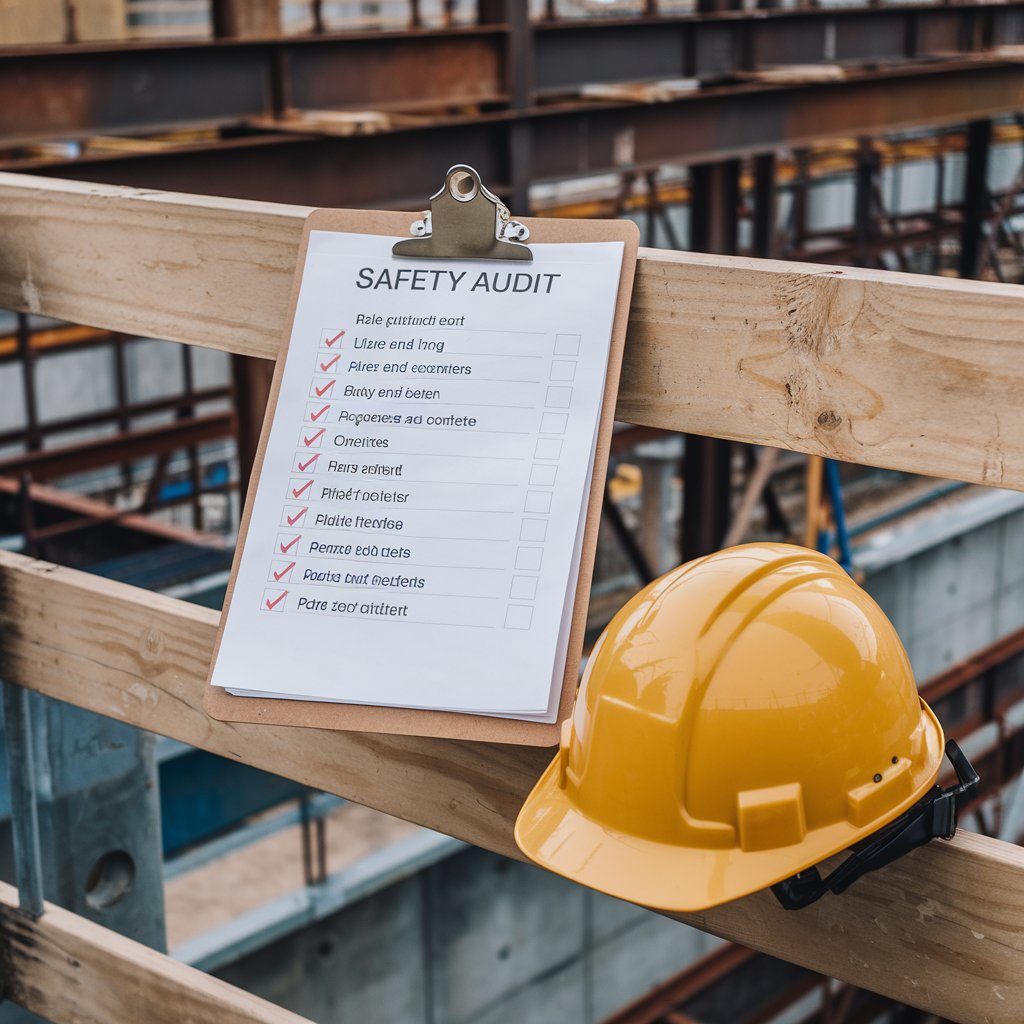
What is a Safety Audit Checklist?
A Safety Audit Checklist is a methodical technique used by businesses to assess and verify that all safety policies, regulations, and equipment are in place and functioning properly. This checklist provides a step-by-step strategy for detecting dangers and potential safety issues in the workplace.
Key Components of a Safety Audit Checklist
To ensure comprehensive coverage, the following elements should be included in any Safety Audit Checklist:
General Workplace Environment
- Is the workspace clean and free of clutter?
- Are walkways clear and accessible?
- Are there proper signage and hazard warnings?
Personal Protective Equipment (PPE)
- Is PPE available and properly maintained?
- Is training on the correct use of PPE provided to all employees?
Fire Safety
- Are fire exits easily accessible and well-marked?
- Are fire extinguishers readily available and inspected regularly?
Electrical Safety
- Are electrical systems regularly inspected?
- Are wires and electrical equipment properly grounded?
Emergency Procedures
- Are emergency exits, alarms, and first-aid kits available and in working order?
- Is there a clear, communicated emergency action plan?
Machinery and Equipment
- Is machinery inspected and maintained regularly?
- Are guards and protective measures in place on equipment?
Hazardous Material Handling
- Are hazardous materials stored and labeled correctly?
- Are employees trained in handling hazardous materials?
Book A Demo! https://axonator.com/request-for-demo/
Benefits of Implementing a Safety Audit Checklist
- Compliance with Regulations
By adhering to industry regulations, companies can avoid fines and penalties while ensuring the safety of their employees. - Improved Employee Morale
A safe workplace leads to increased job satisfaction and productivity, as employees feel valued and protected. - Reduction in Workplace Accidents
Regular audits help identify potential risks, minimizing the likelihood of accidents and injuries. - Cost Savings
Preventing accidents reduces costs associated with workplace injuries, legal disputes, and equipment damage.
How to Conduct a Safety Audit
- Preparation: Gather information about existing safety procedures and past incidents to focus on high-risk areas.
- Execution: Use the Safety Audit Checklist to evaluate each area of the workplace.
- Report Findings: Document issues, areas for improvement, and compliance lapses.
- Action Plan: Create an actionable strategy to address and correct any safety issues.
- Follow-up: Conduct regular audits to ensure continuous compliance and improvement.
A Safety Audit Checklist is more than just a legislative necessity; it's a proactive way to protect your employees and organization. Companies that maintain high safety standards not only safeguard their employees' well-being, but also encourage a productive and compliant workplace.
Explore Our Solutions! https://axonator.com/artifact/safety-audit-checklist/
About Axonator Inc:
At Axonator, Our vision is simple yet powerful: to enable the world on mobile. We envision a future where every aspect of business and society is seamlessly connected through mobile devices. Our mission is to empower businesses worldwide to leverage the full potential of mobile technology, transforming the way they operate, communicate, and collaborate.
Contact:
Axonator Inc (The World On Mobile)
Austin, TX, USA
USA: +1-512-790-5120
India: +91-7038-600-600
Email: support@axonator.com
Website: https://axonator.com/