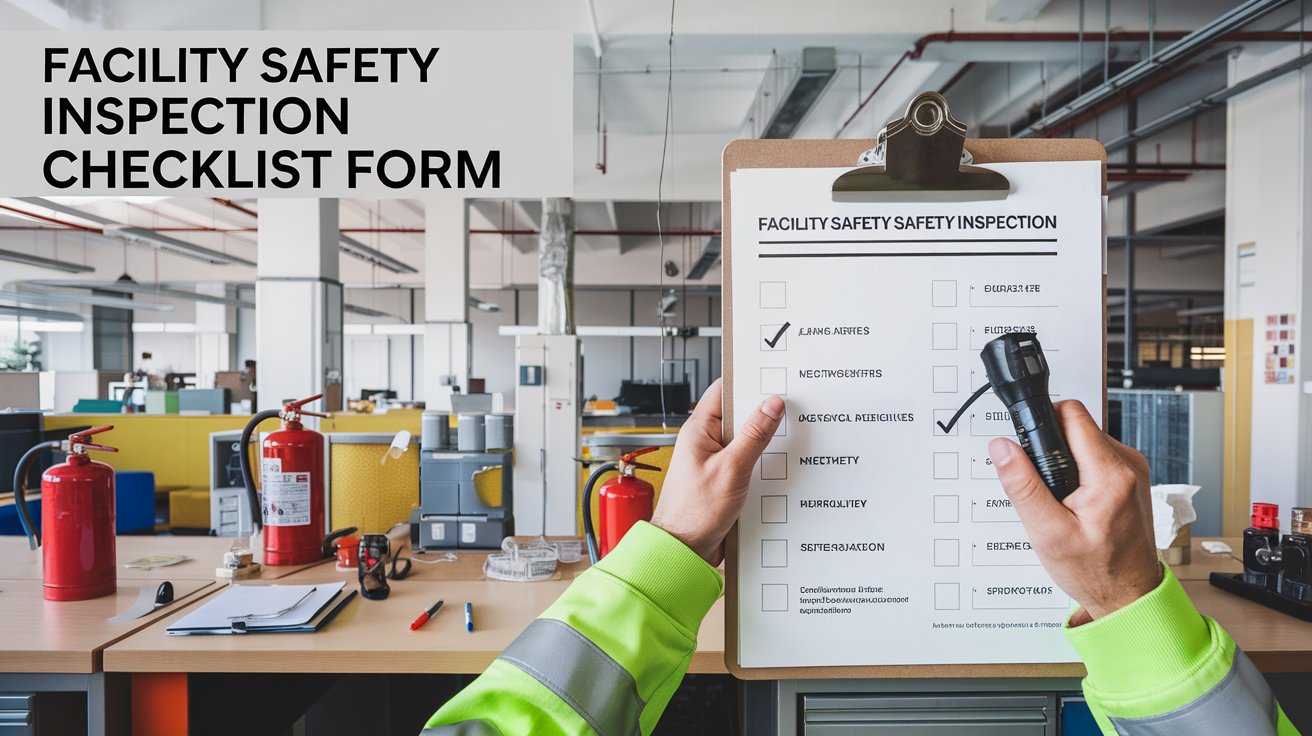
A Facility Safety Inspection Checklist Form is a crucial tool for ensuring that a workplace meets safety standards and legislation. It assists in identifying possible dangers, tracking corrective actions, and ensuring a safe environment for employees, visitors, and contractors. In this post, we will look at the significance of employing a facility safety inspection checklist, what to include in the form, and best practices for its effective use.
The Importance of Facility Safety Inspections
Regular safety checks are essential for every firm. They enable safety managers and facility supervisors to spot hazards and implement preventive measures before they cause accidents or injuries. Using a comprehensive safety inspection checklist guarantees that no area of facility safety is missed while also ensuring compliance with occupational health and safety requirements.
By systematically assessing potential risks and reviewing safety protocols, the checklist contributes to:
- Accident prevention: Early detection of hazards like faulty equipment, blocked emergency exits, or improper storage can help prevent accidents.
- Compliance: Ensuring that all safety measures are in place to comply with local, state, and federal safety regulations.
- Employee well-being: Creating a safer environment improves employee morale and reduces the likelihood of workplace injuries or illnesses.
- Cost-saving: Preventing accidents reduces the financial burden of medical bills, legal fees, and compensation claims.
Key Components of a Facility Safety Inspection Checklist Form
A well-rounded facility safety inspection checklist form includes several critical elements. Below are the key sections that should be covered in the form:
General Information
- Date of Inspection: To track inspection frequency.
- Inspection Team: The names and roles of the individuals performing the inspection.
- Facility Information: Including the location, department, and areas being inspected.
Hazard Identification
- Physical Hazards: These could include trip hazards, uneven flooring, poor lighting, or blocked aisles.
- Chemical Hazards: Identifying improper storage, handling, or disposal of hazardous chemicals.
- Electrical Safety: Inspecting electrical outlets, wiring, and equipment for proper grounding and safe operation.
- Fire Safety: Assessing fire exits, fire extinguishers, sprinklers, and emergency evacuation plans.
Equipment and Machinery Safety
- Check for malfunctioning or outdated equipment.
- Inspect the condition of safety guards and warning signs.
- Ensure proper maintenance records are up to date.
Emergency Procedures and Exits
- Ensure all emergency exits are clearly marked and accessible.
- Check that fire alarms, smoke detectors, and emergency lighting are functioning.
- Verify that employees are trained in emergency procedures.
Personal Protective Equipment (PPE)
- Inspect PPE inventory to ensure it is available, in good condition, and used properly.
- Verify the use of PPE in designated areas (e.g., hard hats, gloves, eye protection).
Ergonomics and Workplace Design
- Assess workstations and seating arrangements to promote employee comfort and reduce repetitive strain injuries.
- Ensure that walkways and work areas are free from clutter.
Documentation and Records
- Review safety training records to ensure all employees have received necessary safety training.
- Document corrective actions, follow-ups, and recommendations for improvements.
Step into the Future—Request Your Exclusive Demo! https://axonator.com/request-for-demo/
Best Practices for Using a Facility Safety Inspection Checklist
To maximize the effectiveness of your facility safety inspection checklist, consider the following best practices:
- Regular Inspections: Conduct safety inspections on a routine basis (e.g., weekly, monthly, or quarterly) to stay ahead of potential hazards.
- Employee Involvement: Encourage employees to actively participate in inspections and report hazards they observe in their day-to-day tasks.
- Follow-Up Actions: After identifying safety concerns, promptly address them and document corrective actions. Ensure that all items listed in the checklist are resolved.
- Digital Checklists: Consider using digital inspection forms for easier tracking, real-time updates, and automated alerts for overdue tasks. Mobile apps or digital tools can streamline the inspection process.
- Training and Awareness: Regularly train employees on safety protocols, and educate them on how to use the checklist effectively.
A Facility Safety Inspection Checklist Forms are an essential tool for maintaining a safe and compliant workplace. Organizations can efficiently prevent accidents, comply with rules, and maintain a safe working environment for everybody by including the necessary components and adhering to best practices. Regular inspections not only preserve employee health and well-being, but also help to improve operational efficiency and long-term profitability.
To maximize the effectiveness of your facility safety program, use digital solutions that streamline the inspection process and give clear evidence for responsibility. Finally, a complete safety inspection checklist is an investment that will pay off by creating a safer, more productive workplace.