Maintenance teams in businesses ranging from manufacturing to property management must manage a plethora of duties to keep systems operational. This is where maintenance work order software comes in, providing a unified and efficient way to organize repair orders, track progress, and guarantee that nothing slips between the gaps. Let's look at how this software may transform maintenance operations and increase productivity.
What Is Maintenance Work Order Software?
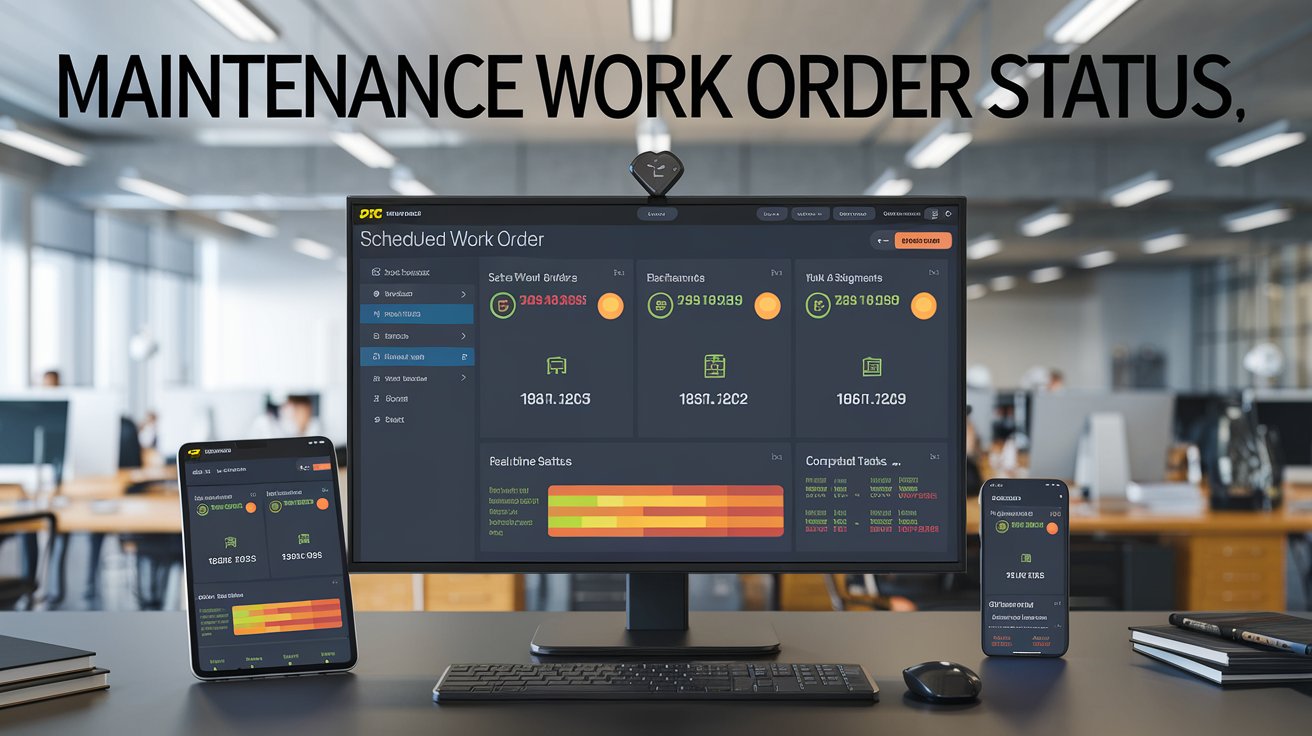
Maintenance work order software is a digital application for organizing, tracking, and managing maintenance chores. It allows teams to create, allocate, and monitor work orders, ensuring that all tasks are performed on time. Task prioritizing, real-time updates, scheduling, and thorough reporting are common elements of software that help to optimize processes and improve resource management.
Key Benefits of Maintenance Work Order Software
- Increased Efficiency
By automating the work order process, this software reduces the time spent on administrative tasks. Maintenance staff can quickly access their assigned tasks, update their progress, and receive new instructions without needing to communicate through time-consuming emails or paper forms. - Real-Time Tracking and Reporting
Managers gain visibility into ongoing work orders, allowing them to monitor progress in real time. They can also generate detailed reports to analyze team performance, track task completion rates, and identify any bottlenecks in the process. - Improved Task Prioritization
With work order software, maintenance managers can prioritize tasks based on urgency, resources, or downtime impact. This ensures that the most critical issues are resolved first, minimizing disruption to operations. - Enhanced Communication and Collaboration
Maintenance work order software often includes communication features that allow team members to share updates, notes, or requirements within each work order. This promotes transparency and helps avoid miscommunication. - Historical Data for Better Decision-Making
The software keeps a record of all completed work orders, providing valuable data for future planning. Teams can analyze recurring issues, predict maintenance needs, and make data-driven decisions to improve their overall maintenance strategy.
Features to Look For in Maintenance Work Order Software
When selecting maintenance work order software, consider these key features:
- Easy-to-Use Interface: Choose software that’s simple to navigate for quick adoption by your team.
- Mobile Accessibility: Mobile-enabled software allows teams to update work orders on-site, boosting flexibility and responsiveness.
- Customizable Workflows: Look for software that can adapt to your organization’s unique workflow requirements.
- Integration Capabilities: Ensure the software integrates with existing systems like ERP or CMMS for a seamless experience.
How Maintenance Work Order Software Transforms Businesses
Increased efficiency and organization achieved via the use of maintenance work order software can have a major influence on a company's bottom line. Companies that maintain their machinery, equipment, and facilities can reduce downtime, extend equipment lifespan, and avoid costly repairs.
Maintenance work order software is more than just a tool; it represents an investment in more effective operations, increased team performance, and long-term cost savings. For businesses that rely on smooth maintenance operations, using work order software is a step toward a more streamlined, proactive, and data-driven maintenance strategy.