Maintaining high quality standards in the pharmaceutical sector is more than just a regulatory necessity; it is also critical to patient safety and public health. A Pharmaceutical Quality Management System (PQMS) is vital for maintaining and ensuring product quality throughout its lifecycle. This article discusses the major components and benefits of a PQMS, as well as the impact on the pharmaceutical business.
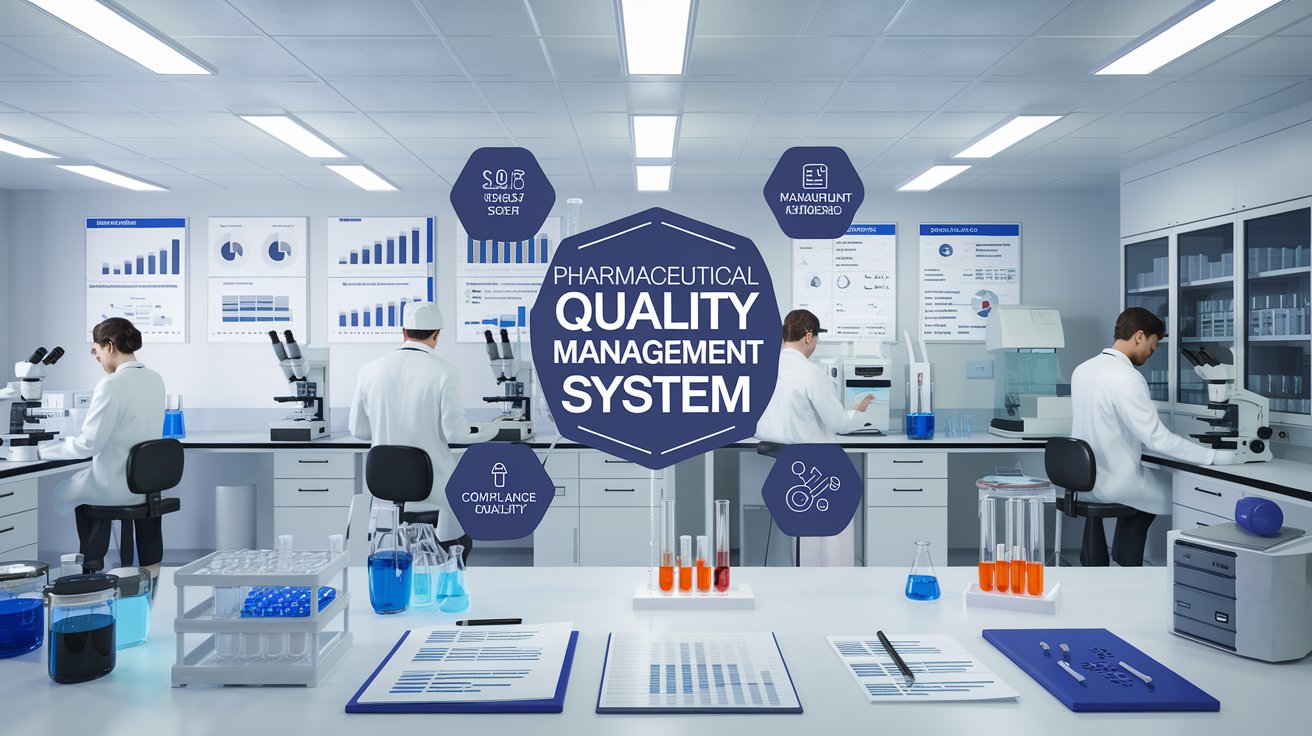
Understanding Pharmaceutical Quality Management System (PQMS)
A PQMS is a systematic system that covers all step of pharmaceutical manufacturing, from raw material procurement to product distribution. It combines quality assurance (QA), quality control (QC), and continuous improvement methods to ensure that goods adhere to predetermined quality standards and regulatory requirements.
Key Components of PQMS
- Quality Assurance (QA):
QA involves the systematic monitoring and evaluation of all aspects of the manufacturing process to ensure compliance with quality standards. It includes the development of quality policies, procedures, and guidelines that govern all operations. - Quality Control (QC):
QC focuses on the testing and verification of products to ensure they meet specifications before reaching the market. This includes laboratory testing, stability studies, and validation of manufacturing processes. - Documentation and Record Keeping:
A robust documentation system is vital for traceability and accountability in pharmaceutical operations. Proper record keeping ensures compliance with regulatory requirements and facilitates audits and inspections. - Training and Competence:
Employees involved in the manufacturing process must be adequately trained in quality management practices. Continuous training programs help maintain competency and foster a culture of quality within the organization. - Risk Management:
Identifying and managing risks associated with pharmaceutical manufacturing is critical for ensuring product safety and efficacy. Risk management strategies, including Failure Mode and Effects Analysis (FMEA), help in anticipating and mitigating potential quality issues. - Continuous Improvement:
Implementing a PQMS is not a one-time effort; it requires continuous monitoring and improvement. Tools such as the Plan-Do-Check-Act (PDCA) cycle are employed to evaluate processes and implement enhancements.
Find your perfect fit—Book a demo today! https://axonator.com/request-for-demo/
Benefits of Implementing a PQMS
- Enhanced Product Quality:
A well-implemented PQMS ensures that products meet quality standards, leading to increased patient safety and satisfaction. - Regulatory Compliance:
Adhering to PQMS guidelines helps pharmaceutical companies meet regulatory requirements, reducing the risk of penalties, recalls, and reputational damage. - Operational Efficiency:
By streamlining processes and reducing errors, a PQMS can enhance operational efficiency, leading to cost savings and improved productivity. - Increased Stakeholder Confidence:
A commitment to quality management fosters trust among stakeholders, including regulators, healthcare professionals, and patients, enhancing the company’s reputation. - Fostering Innovation:
A culture of quality encourages innovation within organizations. Employees are more likely to propose improvements and new ideas when they feel supported by a quality-focused environment.
A Pharmaceutical Quality Management System is required to ensure the safety, efficacy, and reliability of pharmaceutical products. Pharmaceutical firms may improve product quality, meet regulatory requirements, and create stakeholder trust by combining quality assurance, quality control, and continuous improvement processes. As the industry evolves, the value of a strong PQMS will only increase, influencing the future of pharmaceutical manufacture and patient care.
About Axonator Inc:
At Axonator, our vision is bold and transformative: to mobilize the world. We see a future where businesses and communities are effortlessly interconnected through the power of mobile technology. Our mission is to equip organizations globally with cutting-edge mobile solutions, unlocking new possibilities for innovation, efficiency, and seamless collaboration in every facet of their operations.
Contact:
Axonator Inc. (The World On Mobile)
Austin, TX, USA
USA: +1-716-274-8885
India: +91-8600-032-635
Email: support@axonator.com
Website: https://axonator.com/