Effective building maintenance is critical to ensure safety, functionality, and aesthetics. Whether you manage a commercial complex, a residential building, or public infrastructure, preventive maintenance can help you avoid costly repairs, extend the life of your assets, and offer a comfortable atmosphere for your tenants.
In this post, we'll go over the necessity of general building maintenance, the essential duties required, and recommended practices for effective management.
What is General Building Maintenance?
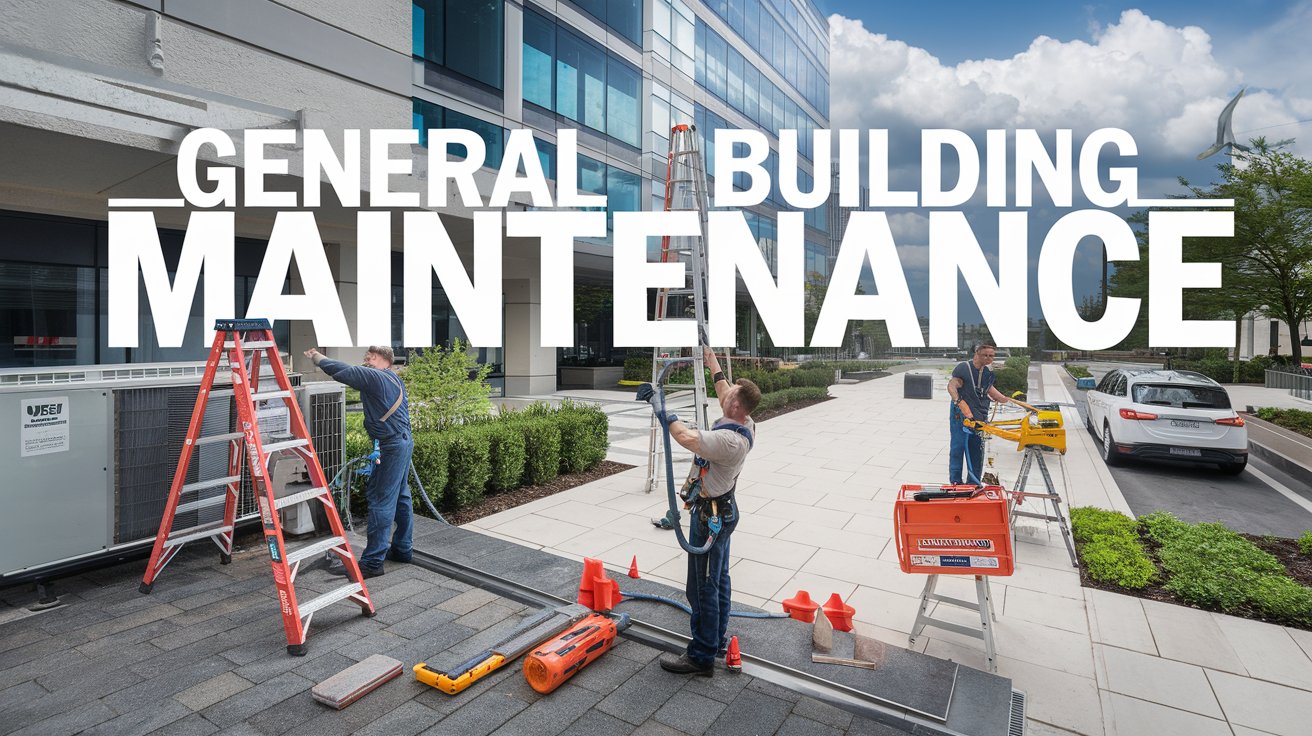
General building maintenance refers to the normal tasks necessary to maintain a building's physical structure, systems, and overall functionality. It involves preventive, corrective, and emergency procedures to solve problems like wear and tear, malfunctions, and damage.
Why is Building Maintenance Important?
- Safety: Regular checks prevent hazards like electrical failures, structural damages, or fire risks.
- Cost Savings: Timely repairs reduce the likelihood of expensive emergency fixes.
- Property Value: A well-maintained building retains and enhances its market value.
- Occupant Comfort: Ensures a clean, safe, and pleasant environment for tenants or employees.
- Compliance: Adheres to building codes and regulations, avoiding legal penalties.
Key Components of General Building Maintenance
1. Structural Maintenance
- Inspect and repair roofs, walls, foundations, and windows.
- Address cracks, water leaks, and structural integrity issues.
2. Mechanical Systems
- Service HVAC systems to ensure optimal heating, cooling, and ventilation.
- Check plumbing for leaks, clogs, and water quality.
3. Electrical Systems
- Test and maintain lighting, wiring, and circuit breakers.
- Inspect emergency systems like alarms and backup generators.
4. Exterior Maintenance
- Clean and repair facades, parking areas, and landscaping.
- Clear gutters and drainage systems to prevent water damage.
5. Interior Maintenance
- Keep floors, ceilings, and fixtures in good condition.
- Conduct regular cleaning and painting to maintain aesthetics.
6. Safety and Security
- Test fire alarms, sprinklers, and security cameras.
- Ensure doors, locks, and access systems function properly.
Types of Maintenance
- Preventive Maintenance: Scheduled inspections and servicing to prevent issues before they occur.
- Corrective Maintenance: Fixing problems as they arise, like repairing a leaky faucet or replacing a broken window.
- Predictive Maintenance: Using data and technology to predict when a system might fail and taking preemptive action.
- Emergency Maintenance: Immediate response to urgent issues, such as a burst pipe or power outage.
Best Practices for General Building Maintenance
- Create a Maintenance Schedule
Develop a calendar for regular inspections and servicing of critical systems. - Use Maintenance Management Software
Platforms like Axonator, UpKeep, or Fiix streamline tasks, track repairs, and maintain records. - Train Your Team
Ensure maintenance staff are skilled and updated on best practices. - Set Priorities
Address urgent issues immediately while scheduling non-critical tasks to avoid disruptions. - Incorporate Sustainability
Opt for energy-efficient systems, eco-friendly materials, and sustainable practices. - Regular Audits
Conduct comprehensive audits to identify overlooked areas or recurring issues.
Common Challenges in Building Maintenance
- Budget Constraints: Limited funds can delay important repairs.
- Aging Infrastructure: Older buildings require more frequent attention.
- Compliance: Keeping up with changing regulations can be challenging.
- Tenant Communication: Lack of communication may lead to dissatisfaction.
General building maintenance is more than just mending what's broken; it's about actively conserving and improving your property. With a well-structured plan, the correct tools, and a professional staff, you can ensure that your building is safe, practical, and visually beautiful for many years to come.
Begin establishing a comprehensive maintenance strategy today to gain long-term benefits for your property and its tenants.